
Anglo-Norman language: history, features and legacy
Anglo-Norman was the variety of Norman French used by the medieval ruling class in England after 1066. It shaped administration, law and literature and left a lasting imprint on English vocabulary and institutions.
Overview
Anglo-Norman refers to the variety of Norman (a langue d'oïl) spoken and written by the Norman aristocracy and their circles in England and its possessions after the Norman Conquest. The arrival of William of Normandy in 1066 established a ruling elite whose language became central to government, culture and recorded life in the Kingdom of England. The term distinguishes the insular dialect from contemporaneous continental Old French varieties.
Image gallery
2 Images
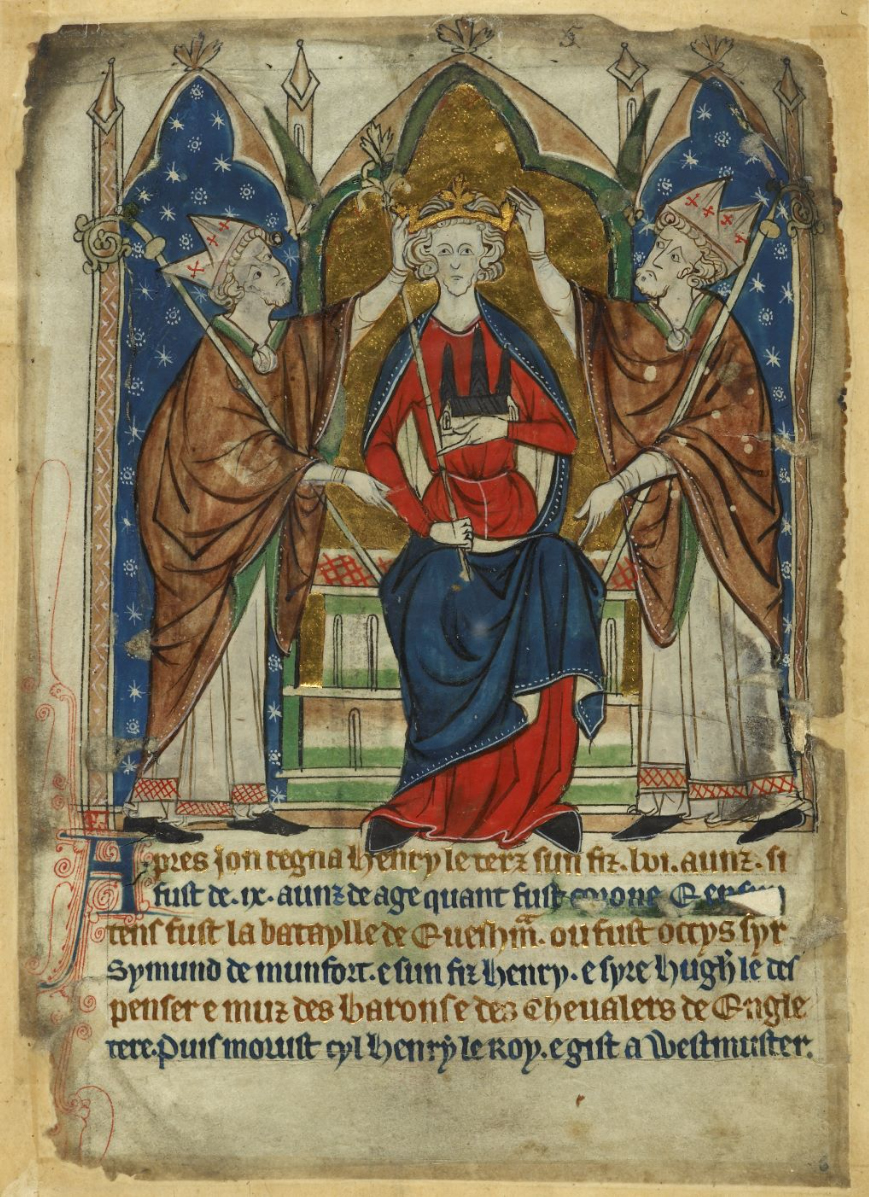
Linguistic characteristics
Anglo-Norman shared many features with Old French but developed its own spellings, pronunciations and vocabulary under insular influence. It absorbed English loanwords and in turn contributed many French-derived terms to English, especially in law, administration, governance, landholding and high culture. Manuscripts show regional orthographic variants and a mixture of learned Latinisms with everyday Norman vocabulary.
Historical development and social role
After the conquest the language of the new rulers dominated royal administration, charters, diplomas and aristocratic communication. It was the working language of the royal household, the nobility and much of the justice system. Anglo-Norman was used in the courts and official writing even while the majority of the population continued to speak English dialects. Over the later Middle Ages, social and political changes, together with laws such as the Statute of Pleading (1362) which required English for oral court proceedings, contributed to the gradual decline of Anglo-Norman as a living administrative tongue.
Uses, literature and records
Anglo-Norman survives in a wide range of medieval texts: legal acts, administrative rolls, private correspondence, chronicles, hagiography and translations of religious or secular works. The body of Anglo-Norman literature includes poetry, moral verses and narrative translations that were popular among lay readers and patrons. Many such texts are preserved in manuscript collections and have been important sources for historians and philologists.
Legacy and distinctions
The most visible legacy of Anglo-Norman is its influence on Middle and Modern English vocabulary — numerous legal, governmental and cultural words entered English through this channel. Anglo-Norman must be distinguished from continental Old French or other Norman dialects: it developed in close contact with insular English, producing a distinctive lexicon and administrative jargon. Some legal formulae and French phrases persisted in English law for centuries after the language ceased to be commonly spoken.
Further reading and context
- For the political background of the language's introduction see accounts of the Kingdom of England after 1066.
- Biographical and military context for the conquest is available under studies of William of Normandy.
- Comparative linguistics often treats Anglo-Norman alongside Old French and other langues d'oïl.
- For the language's role in law and administration consult overviews of medieval courts and legal practice.
Related articles
Author
AlegsaOnline.com Anglo-Norman language: history, features and legacy Leandro Alegsa
URL: https://en.alegsaonline.com/art/4193