
Hallerbos — the bluebell forest near Halle, Belgium
Woodland near Halle in Flemish Brabant, Belgium, famous for its spring bluebell carpets. A tranquil remnant of the Sonian Forest, valued for recreation, seasonal tourism and nature conservation.
Overview
Hallerbos is a mixed deciduous forest located mainly in the municipality of Halle, in Flemish Brabant, Belgium. Long prized for its spring display of bluebells that cover large areas of the forest floor, it is a popular destination for walkers, photographers and families during the brief bloom. Historically Hallerbos was considered part of the greater Sonian Forest system but today is managed as a distinct woodland with its own trails and conservation priorities.
Image gallery
8 Images



Natural characteristics
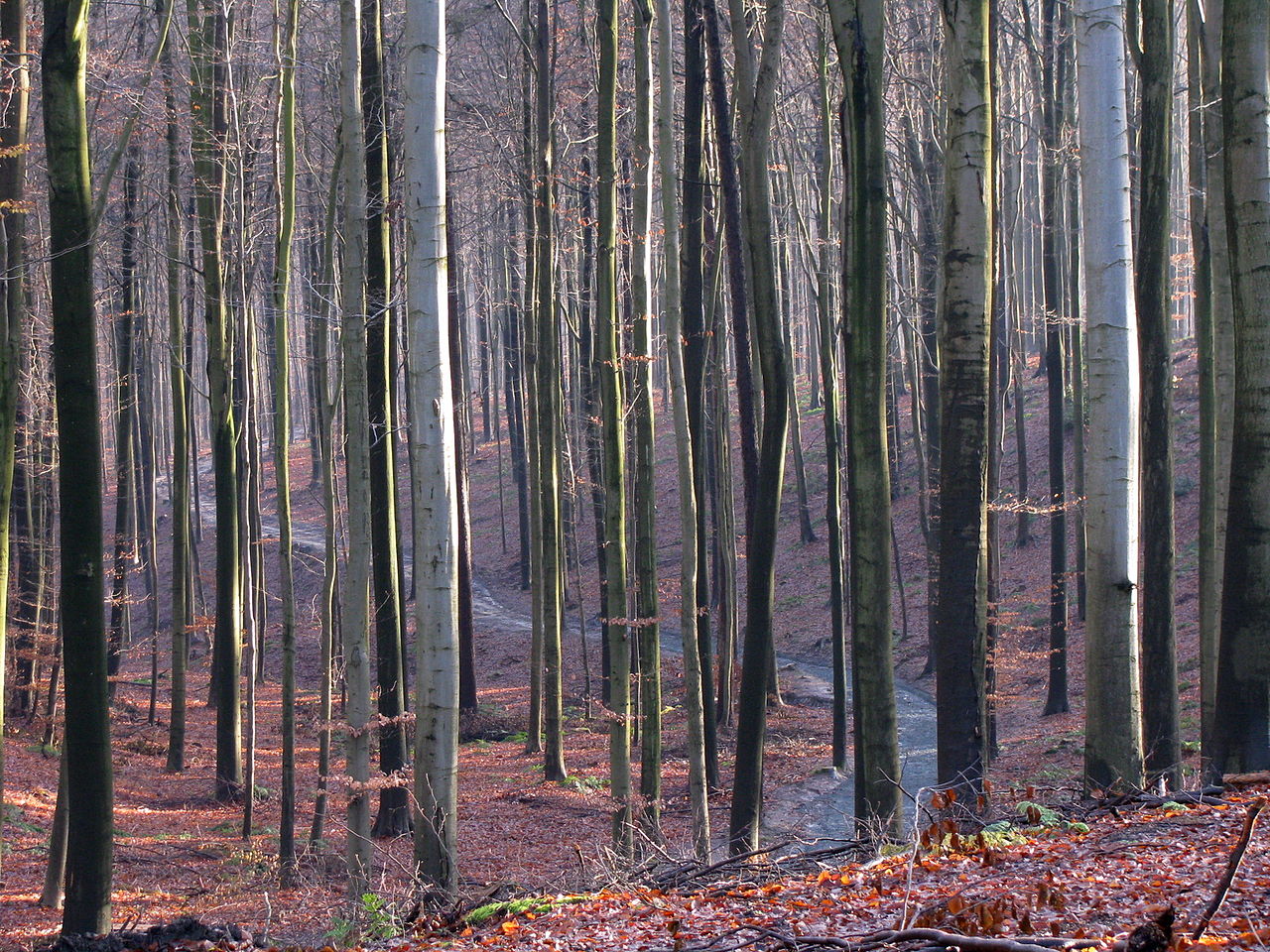
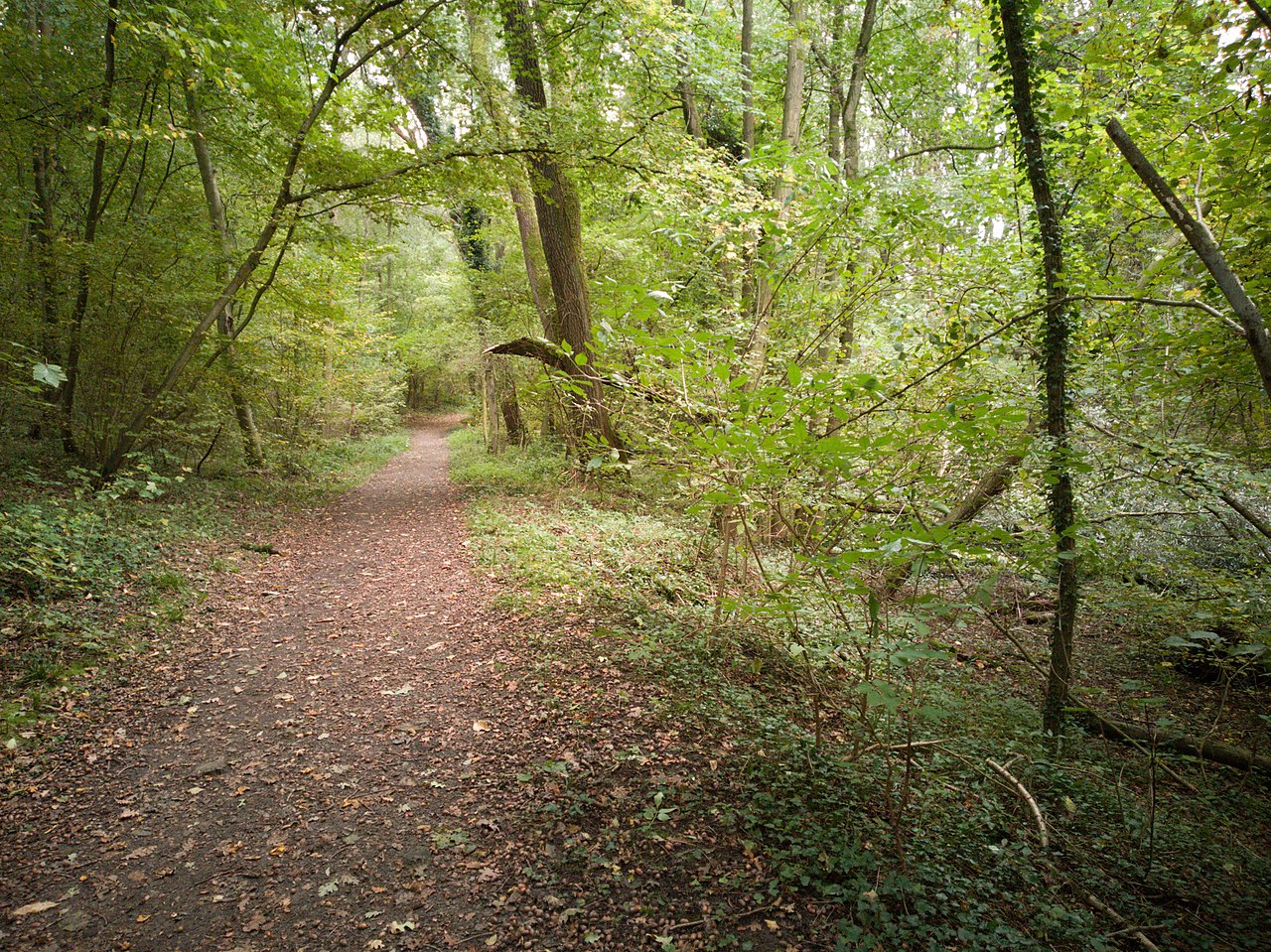
The forest consists primarily of deciduous stands—mature trees form a canopy above a seasonally rich understory. In early spring, before the canopy fully leafs out, carpets of native bluebell species (commonly known in the region as bluebells) create a striking blue-purple layer. Beyond the flowers, Hallerbos supports ground flora, mosses and a variety of birds and small mammals typical of lowland European forests. The mix of light, soil and moisture in spring makes it especially important for early flowering plants.
History and management
Hallerbos has long been part of the regional woodland network surrounding Brussels. Its relationship to the Sonian Forest reflects historical continuity of forest cover in the area. Modern management focuses on preserving native tree composition, controlling invasive species, maintaining visitor paths and balancing public access with habitat protection. Local authorities and conservation groups cooperate on habitat restoration and education efforts.
Visiting and practical information
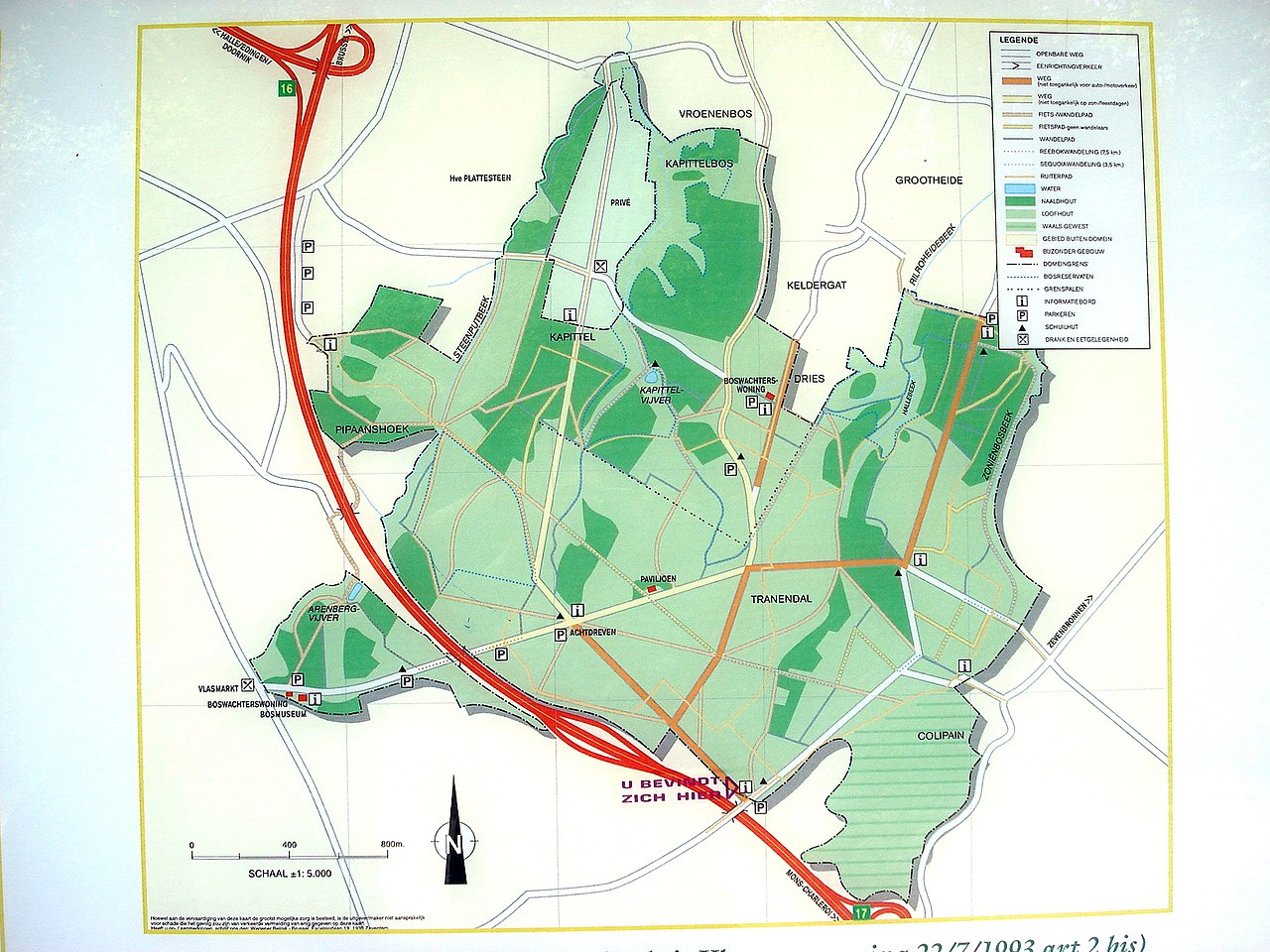
Visitors come year-round but numbers peak during the bluebell season in April and May. The bloom is short-lived and weather-dependent, so timing varies from year to year. Access points and parking are concentrated near Halle and several marked trails cross the wood. To protect the plants and wildlife, visitors are encouraged to remain on paths and follow local guidelines.
- Best time to visit: spring (bloom varies with weather).
- Access: trails enter from Halle and nearby villages; public transport can be used to reach the area.
- Etiquette: stay on marked paths, keep dogs under control, avoid trampling the bluebells.
Importance and notable facts
Hallerbos is often cited as one of the region’s most striking seasonal landscapes and plays a role in local ecological networks. Its reputation for bluebell carpets makes it an important site for nature-based tourism and environmental education. Ongoing conservation work aims to preserve both the visitor experience and the ecological value of the woodland for future generations.
For official visitor information, trail maps and conservation updates see local authority and tourism pages: forest information, national context, municipal resources and regional forest network.
Related articles
Author
AlegsaOnline.com Hallerbos — the bluebell forest near Halle, Belgium Leandro Alegsa
URL: https://en.alegsaonline.com/art/41927