
Halmstad — coastal city in Halland, Sweden
Halmstad is a Swedish port city on the west coast in Halland. Known for beaches, sports clubs, cultural life and a university, it is the seat of Halmstad Municipality and a regional service centre.
Overview
Halmstad is a coastal city on Sweden's west coast, situated where the Nissan river meets the sea. It is the administrative centre of Halmstad Municipality and lies within Halland County, in the historic province of Halland. The city plays a regional role for commerce, education and culture in Sweden.
Image gallery
7 Images



Geography and character
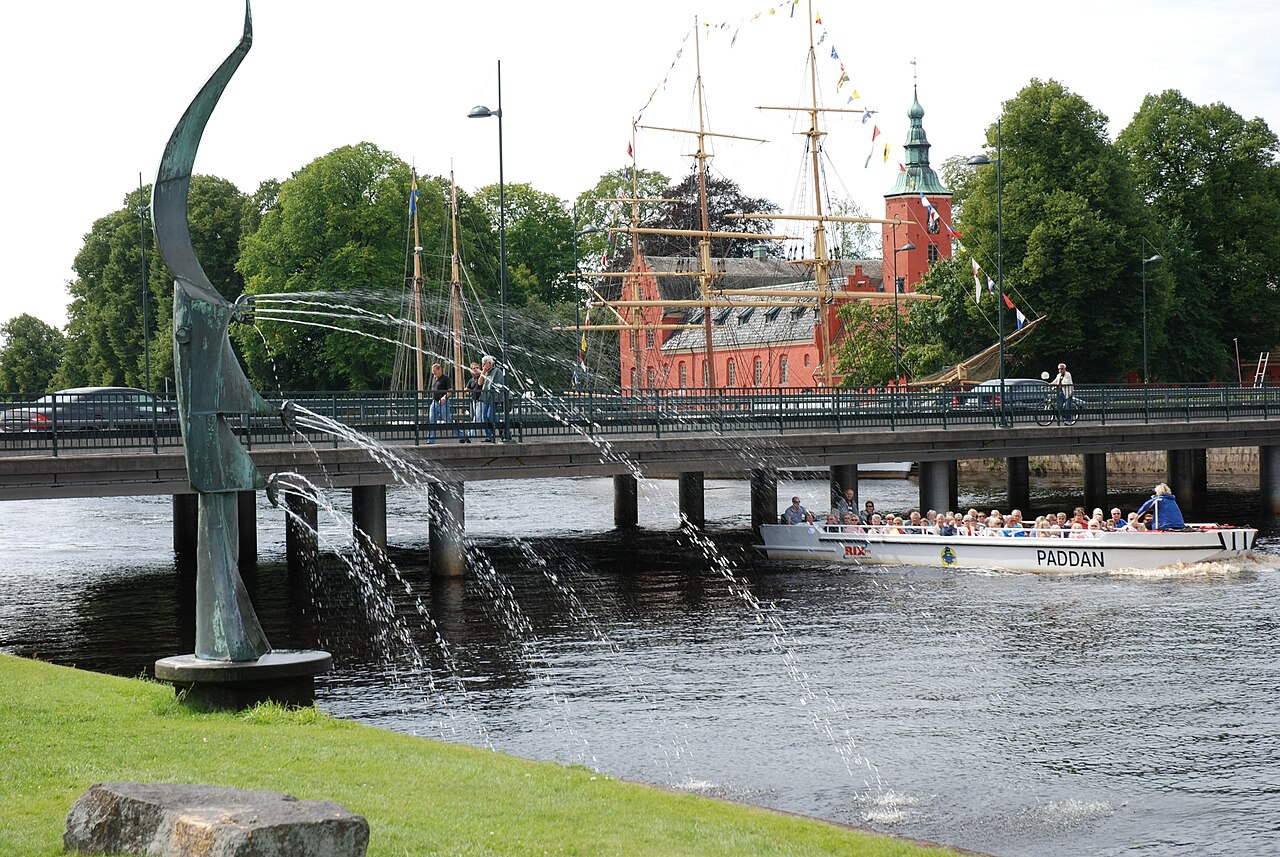
Halmstad combines an urban centre with nearby sandy beaches, coastal parks and maritime infrastructure. Popular coastlines such as Tylösand draw visitors during summer months. Within the city the Nissan river creates a central waterfront area, with mixed residential, commercial and recreational uses.
History and development
Halmstad has medieval origins and developed as a trading and port town. For many centuries the region belonged to the Danish crown before becoming part of Sweden in the 17th century, after which the town grew as a local administrative and market centre. Over time Halmstad expanded with rail and road links that connected it to other parts of the west coast.
Culture, sports and notable people
The city has an active cultural scene with festivals, museums and a university campus. Halmstad has also produced musicians and bands known nationally and internationally: for example the pop artist Basshunter and the pop group Gyllene Tider trace their roots here. Sport is an important local interest; clubs such as Halmstads BK, IS Halmia (association football) and the handball club HK Drott are part of the city's sporting identity.
Economy and institutions
The local economy mixes services, light industry, logistics around the port and education. Halmstad University contributes research and vocational training while the city functions as a regional centre for health care, retail and administration. Tourism linked to beaches and cultural events also plays a seasonal role.
Practical and distinguishing facts
- Location: west coast, at the Nissan estuary.
- Administration: seat of Halmstad Municipality in Halland County.
- Leisure: notable beaches and waterfront parks.
- Culture and sport: music acts and established football and handball clubs are part of the city's profile.
For further reading on regional geography and institutions see local municipal resources and cultural guides.
Related articles
Author
AlegsaOnline.com Halmstad — coastal city in Halland, Sweden Leandro Alegsa
URL: https://en.alegsaonline.com/art/41964