
Haim Gouri: Israeli Poet, Novelist, Journalist and Filmmaker
Concise encyclopedia entry on Haim Gouri (1923–2018), his life in Tel Aviv, roles as Hebrew poet, novelist, journalist and documentary filmmaker, major themes, awards and cultural legacy.
Overview
Haim Gouri (1923–2018) was a central figure in modern Hebrew letters whose work encompassed poetry, fiction, journalism and documentary film. Born in Tel Aviv, he wrote primarily in Hebrew and became widely known for work that records and reflects on war, loss, memory and national identity. He combined literary craft with public engagement, producing poems and films that sought to preserve testimony and stimulate collective remembrance.
Image gallery
3 Images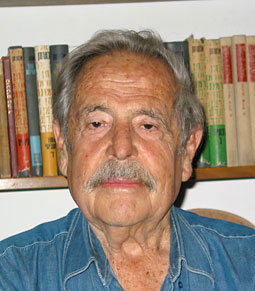

Early life and wartime service
Gouri came of age during the tumultuous years surrounding the establishment of the State of Israel. Like many of his generation, he served in military ranks and participated in events of the 1940s that shaped his outlook and later writing. Those wartime and communal experiences remained a persistent reference point in his art and public work.
Literary career
Across several decades Gouri published collections of poetry and novels that drew on personal and collective experience. His poems are often direct in tone, emphasizing testimony, clear imagery and moral urgency. He addressed subjects ranging from the 1948 war to the Holocaust, using language that aimed to make history accessible to readers and to preserve the voices of survivors and veterans.
Themes and style
Memory, moral responsibility and the ethics of remembrance are central to Gouri's writing. He treated traumatic events with a combination of documentary attention and lyrical compression, resisting abstraction in favor of concrete scenes and human detail. His work balances the demands of art and the impulse to bear witness.
Journalism, film and public impact
In addition to his literary output, Gouri worked as a journalist and documentary filmmaker. His films often complemented his written testimony: interviews with survivors, cinematic essays about national events, and programs intended for broad public viewing. That documentary work extended his influence beyond literary circles and contributed to public discussions about history and memory.
Awards and legacy
Gouri received major national honors, including the Bialik Prize for literature and the Israel Prize for Hebrew poetry. He remained an influential voice in Israeli culture for many decades, shaping how later generations considered the early years of the state and the responsibilities of memory. His roles are commonly summarized as poet, novelist, poet and filmmaker in surveys of modern Hebrew literature.
Death and continuing relevance
Haim Gouri died in Jerusalem on January 31, 2018, at the age of 94. His poems, reportage and films continue to be studied in the context of Israeli literature and documentary practice. For readers seeking more detail, academic histories of Hebrew literature and archives of Israeli film present fuller accounts and collections of his work.
Notable facts
- Roles: poet, novelist, journalist, filmmaker.
- Language: wrote in Hebrew.
- Origins: born in Tel Aviv in 1923.
- Recognition: recipient of the Bialik Prize and the Israel Prize.
Related articles
Author
AlegsaOnline.com Haim Gouri: Israeli Poet, Novelist, Journalist and Filmmaker Leandro Alegsa
URL: https://en.alegsaonline.com/art/41785
Sources
- haaretz.com : haaretz.com/srv/polopoly-redirect?polopolyId=1.274224
- books.google.com : Encyclopedia of Holocaust Literature: Haim Gouri