
Israel Prize
Israel's highest state honor awarded for outstanding contributions to culture, science, arts, and public life, presented annually and notable for its prestige and occasional public debate.
Overview
The Israel Prize (פרס ישראל) is the State of Israel's most prestigious award for achievement in culture, scholarship, the arts, sciences and public service. It recognizes individuals and occasionally organizations whose work has had lasting significance for Israeli society and beyond. The prize is widely regarded as the country's highest official honor in cultural and intellectual fields.
Image gallery
3 Images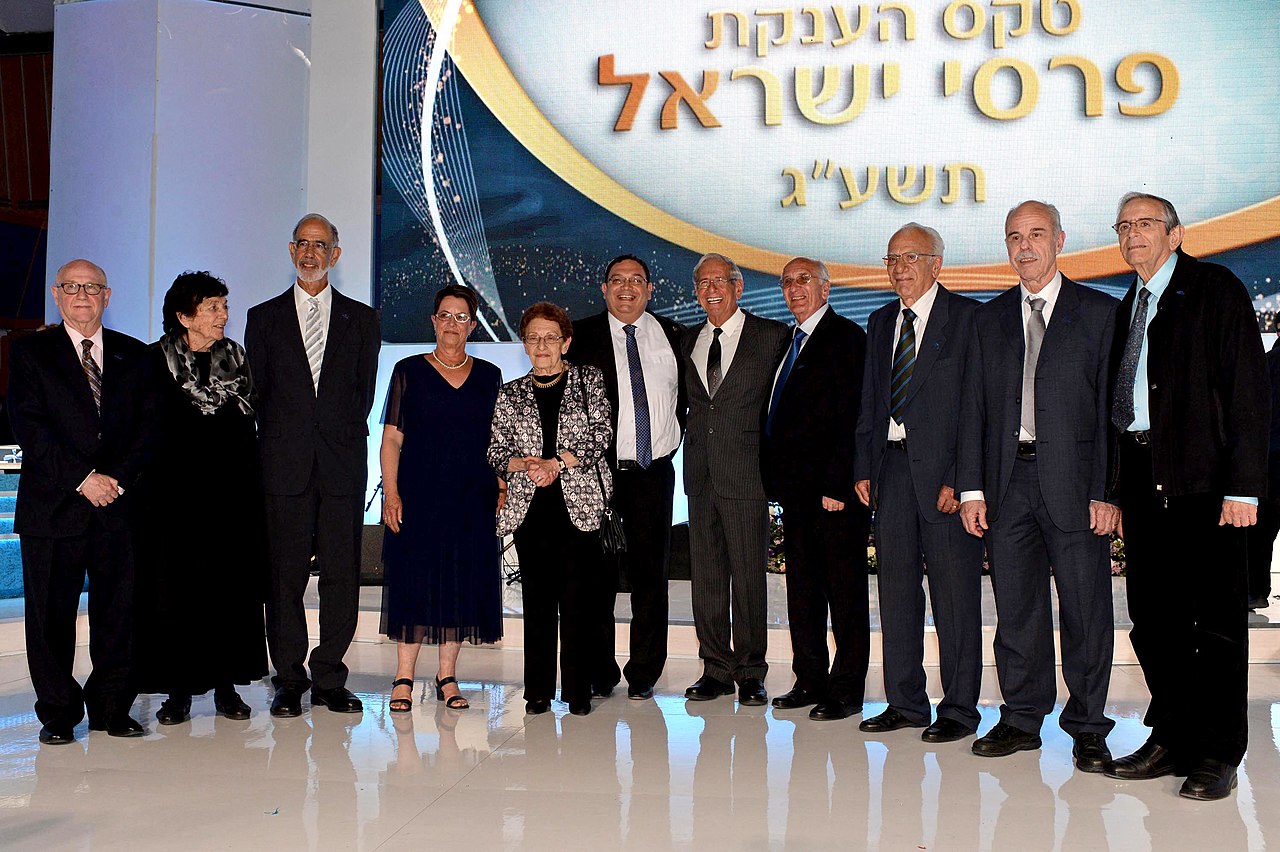


Criteria and categories
Awarded across a range of fields, the prize honors excellence and enduring contribution rather than a single work. Typical categories include:
- Scientific research and medicine
- Humanities and social sciences
- Literature and language
- Fine arts, music and theatre
- Jewish studies and contribution to Jewish culture
- Lifetime achievement
Selection is made through expert committees that evaluate nominees on merit, originality and impact. The award aims to highlight accomplishments that have enriched national life and collective knowledge.
History and development
Established in the early decades of the state, the Israel Prize grew into a symbol of national recognition. Over time its scope broadened to reflect changes in scholarship, artistic practice and public priorities. The list of recipients charts evolving cultural values and the development of Israeli intellectual life.
Ceremony and significance
The award is traditionally presented at a national ceremony timed with the country's anniversary celebrations. Receiving the prize elevates an individual's public profile, often bringing wider awareness to their work and sometimes shaping career opportunities and institutional support.
Controversies and notable facts
Because it confers visible state recognition, the Israel Prize has occasionally sparked public debate about recipients and the criteria for selection. These discussions reflect broader social and political tensions and demonstrate how awards can become focal points for argument about values, memory and identity.
Legacy and examples of impact
Beyond the ceremony, the prize serves as an enduring marker of achievement. It helps preserve the legacy of scholars and artists and influences how their contributions are taught, cited and remembered. For many laureates the award is both an honor and a platform for further work in their fields.
Author
AlegsaOnline.com Israel Prize Leandro Alegsa
URL: https://en.alegsaonline.com/art/140115