
Habit (biology): Form and Behaviour of Organisms
Habit in biology denotes the typical form, growth pattern or behavioural tendencies of an organism. It covers plant growth forms, animal postures and recurring actions with ecological and taxonomic relevance.
Overview
Habit (biology) is a concise term used to describe the characteristic external form or recurring behaviour of an organism. In broad usage it embraces two related senses: the structural appearance or growth form of plants and animals, and the typical actions, postures or behavioural tendencies shown by individuals or species. The word reflects how an organism is commonly observed in its environment rather than a single momentary state.
Image gallery
5 Images


Characteristics and categories
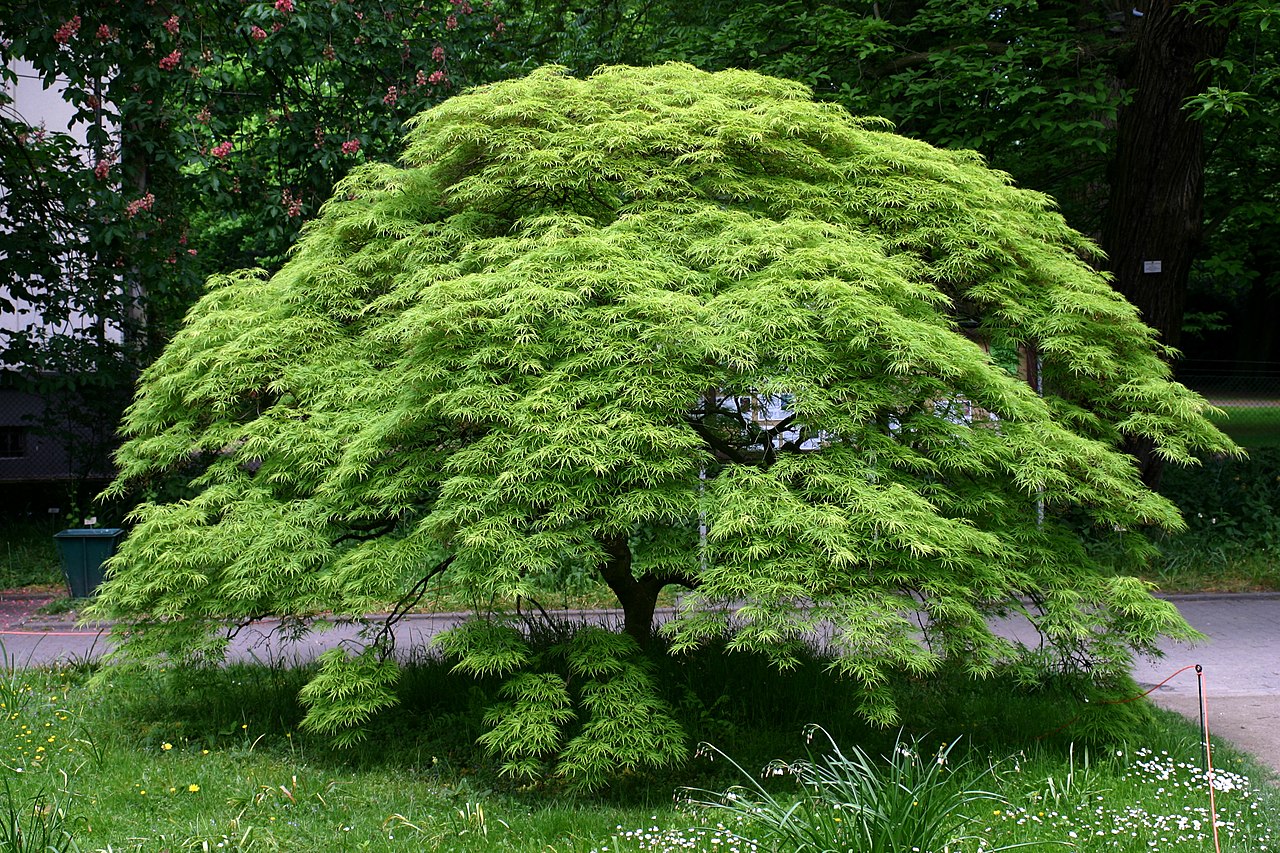
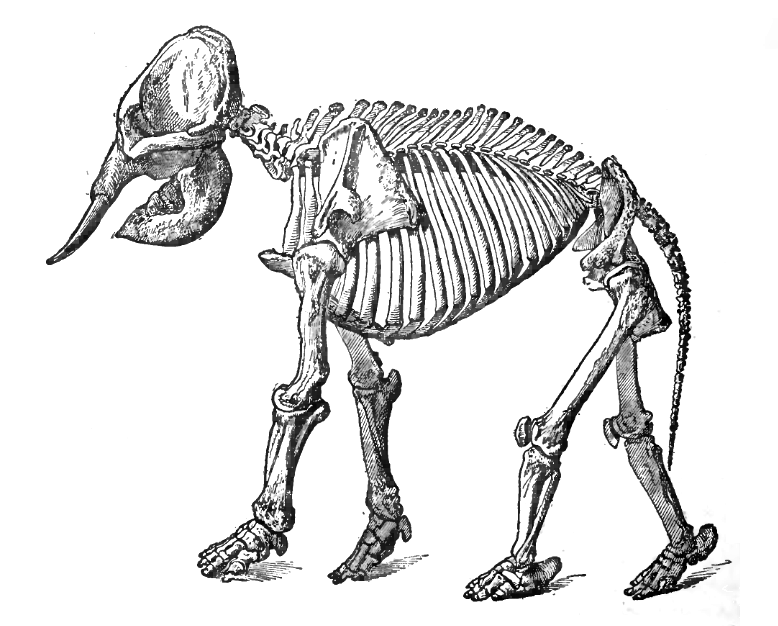
When referring to shape, habit can denote growth patterns such as upright, prostrate, climbing, bushy or columnar forms in plants. For animals, habit may describe posture and locomotor style — for example arboreal, fossorial, aquatic or cursorial tendencies. In behavioural contexts, habit covers repeated or typical actions such as feeding methods, nesting behaviours, or daily activity cycles.
Examples and usage
Biologists and ecologists use habit as a convenient descriptive term when identifying species, comparing life forms, or discussing adaptations. Typical examples include:
- Plant growth habit: a climbing vine versus a self-supporting shrub.
- Animal behavioural habit: nocturnal foraging versus diurnal basking.
- Combined descriptions: a tree species with a columnar habit that attracts certain birds.
Practical applications include horticulture and agriculture, where knowing a plant's habit informs pruning, spacing and landscape design, and in conservation, where animal habits influence habitat management.
Distinctions and notable facts
Habit is related to, but distinct from, terms such as habitat (the environment an organism lives in) and phenotype (the observable traits produced by genes and environment). The concept is descriptive rather than prescriptive: it records typical appearance or behaviour but does not by itself explain evolutionary causes. For more on definitions and usage see shape, behaviour and further entries that place habit within biological terminology.
As a compact descriptor, habit helps communicate observable features across disciplines, from taxonomy and ecology to practical gardening and animal husbandry.
Related articles
Author
AlegsaOnline.com Habit (biology): Form and Behaviour of Organisms Leandro Alegsa
URL: https://en.alegsaonline.com/art/41672
Sources
- books.google.com : Chambers's Edinburgh Journal