
Gymnasium (ancient Greece): athletic training, education, and social life
A public institution in ancient Greece combining athletic training, informal schooling, and civic ritual — male-only, linked to nudity in sport and the later European notion of the gymnasium.
Overview
The gymnasium in ancient Greece was more than a sports hall: it functioned as a communal center for physical training, intellectual exchange and socializing. Local gymnasia served boys and adult men who came to exercise, discuss philosophy, and prepare for public competitions and civic duties. The practice of exercising without clothing is reflected in the name (from Greek "gymnos") and shaped how Greeks viewed the body, competition and public life.
Image gallery
5 Images



Design, parts and typical activities
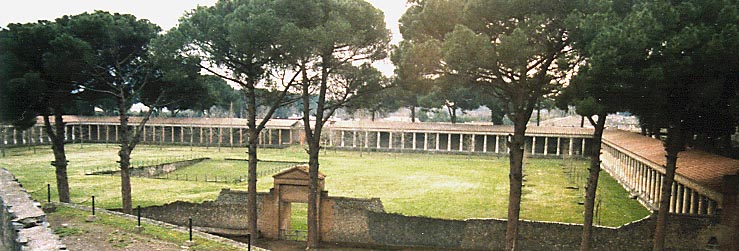
Most gymnasia combined open courtyards, running tracks, covered porticoes and specialized rooms. A palestra often adjoined the complex and provided space for wrestling, boxing and skill training. Activities included running, jumping, wrestling, throwing events, and supervised practice for athletes who would train for civic games such as the Olympic Games. Instruction could also encompass rhythm, musical accompaniment, and basic rhetoric or philosophical discussion.
Functions and social role
- Physical training: preparation for competition and military readiness.
- Education: moral formation, discipline and informal instruction in arts and letters.
- Social forum: a meeting place for politics, mentorship and networking.
- Religious and civic identity: ceremonies and dedications linked gymnasia to local cults.
Customs, gender and nudity
Entry and use of gymnasia were generally restricted to males; women and slaves had very limited or no access in most cities. The custom of exercising and competing nude — literally the meaning of "gymnos" — was justified on aesthetic, ritual and practical grounds: it displayed physical form, honored the gods, and avoided clothing hindrances during sport.
Religious patrons and civic significance
Gymnasia were often associated with mythical patrons and protective deities. In literary and civic tradition they were placed under heroes and gods such as Heracles and Hermes, and in some city lore like Athens were linked to figures like Theseus. These connections reinforced the gymnasium's place within public religion and local identity.
History and legacy
The institution evolved from simple exercise grounds to complex civic establishments during the Archaic and Classical periods, remaining important through the Hellenistic era and influencing Roman practice. Its combination of physical and intellectual training inspired later European uses of the term "gymnasium" for schools emphasizing secondary education. Vestiges of the social customs and architectural layout survive in archaeological remains and literary descriptions.
Because gymnasia combined athletic preparation, moral instruction and public ritual, they provide a useful window into how ancient Greek communities balanced bodily excellence, education and civic life.
Related articles
Author
AlegsaOnline.com Gymnasium (ancient Greece): athletic training, education, and social life Leandro Alegsa
URL: https://en.alegsaonline.com/art/41596