
Gymnastics: disciplines, apparatus, history and modern practice
Gymnastics is a sport of strength, flexibility, balance and control. It comprises artistic, rhythmic, trampoline and acrobatic disciplines, distinct apparatus for men and women, and a major Olympic tradition.
Overview
Gymnastics is an athletic discipline built around controlled movement, strength, flexibility, balance and spatial awareness. Performances range from short explosive skills to choreographed routines that combine acrobatics, dance and apparatus work. The term can refer broadly to related competitive formats or to recreational practice in schools and clubs; for a general introduction see this resource.
Image gallery
10 Images

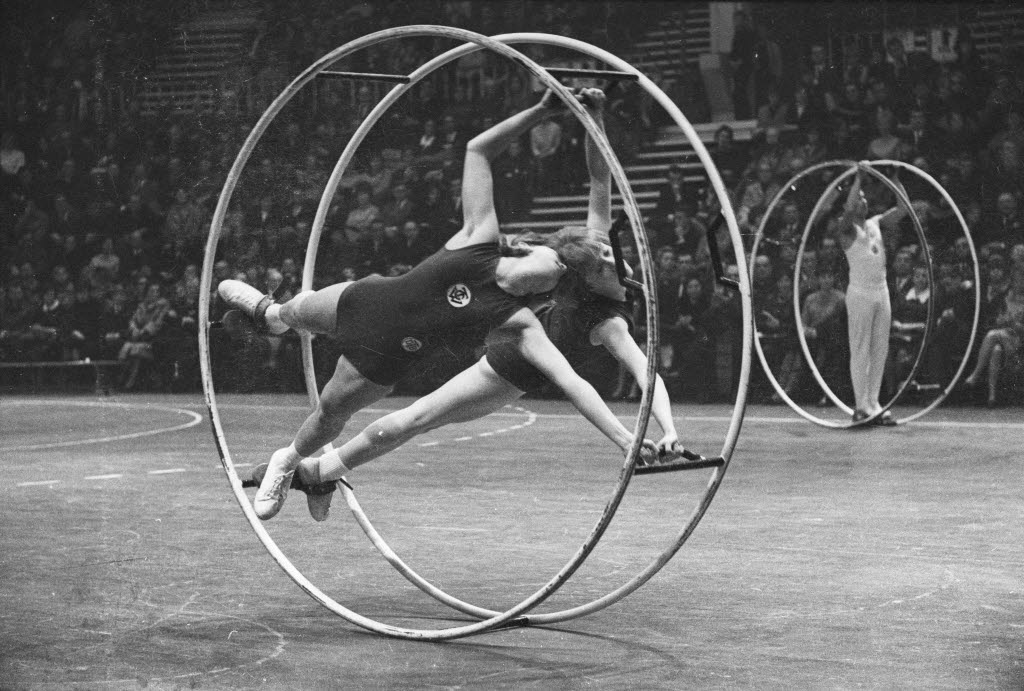

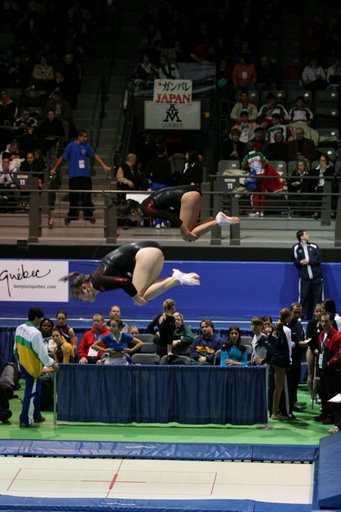



Major disciplines
Modern gymnastics includes several distinct branches that emphasize different abilities and presentation. The main international categories are:
- Artistic gymnastics — the best-known form, featuring apparatus-based routines for men and women.
- Rhythmic gymnastics — performed only by women at most international levels, it combines dance with hand apparatus such as ribbon and hoop; see an overview here.
- Trampoline — high-flying acrobatic routines performed on a trampoline with twists and somersaults.
- Acrobatic and aerobic gymnastics — partner or group work that highlights lifts, balances and synchronized tumbling.
Apparatus and events
Artistic gymnastics is organized around specific apparatus. Women's artistic events typically include four apparatus and men's include six, each testing different combinations of power, technique and control:
- Women's events: vault, floor exercise (a tumbling and dance routine), balance beam, and uneven bars.
- Men's events: floor exercise, pommel horse, still rings, vault, parallel bars and high (horizontal) bar. Floor work emphasizes explosive tumbling and body control, while apparatus such as the pommel horse test continuous circular technique.
Elements within routines include running approaches, springs, tumbling passes, somersaults and aerial twists; for technical aspects of tumbling skills see this note.
History and development
Gymnastics has roots in ancient physical training traditions where running, jumping and martial skills were practiced for fitness and military preparation. It evolved into an organized sport in 19th-century Europe with systems promoted by educators and physical-training pioneers. Over the 20th century, international federations standardized rules, apparatus and competition formats. Men's gymnastics was part of the first modern Olympic Games and women's events were added later, after which the sport's international profile grew steadily.
Training, competition and benefits
Training combines specification-driven skill progressions, strength and conditioning, flexibility work and repetition under coaching supervision. Competitive gymnastics is judged on difficulty, execution and artistry; governing bodies publish codes that define scoring and allowable elements. Participation improves coordination, posture and athletic literacy and provides pathways from recreational participation to elite competition.
Notable distinctions
Key distinctions within the sport include the difference between artistic and rhythmic aesthetics, and the separate technical demands of trampoline and acrobatic events. Safety, progressive skill development and age-appropriate coaching are central concerns because many advanced skills place high loads on the body. Gymnastics continues to be a prominent Olympic sport and a foundation for many other athletic activities and performing arts.
Questions and answers
Q: What is gymnastics?
A: Gymnastics is a sport that requires strength, flexibility, balance, and control.
Q: What are some exercises involved in gymnastics?
A: Exercises involved in gymnastics may include running, jumping, tumbling, somersaulting, flipping, and balancing.
Q: What are the four activities in women's gymnastics?
A: The four activities in women's gymnastics are floor, uneven bars, balance beam, and vault.
Q: What are the six activities in men's gymnastics?
A: The six activities in men's gymnastics are floor exercise, parallel bars, high bar, pommel horse, vault, and rings.
Q: Is gymnastics a Summer Olympic sport?
A: Yes, gymnastics is a Summer Olympic sport.
Q: What skills are required for gymnastics?
A: The skills required for gymnastics are strength, flexibility, balance, and control.
Q: What physical attributes are necessary for success in gymnastics?
A: Physical attributes necessary for success in gymnastics include a strong core, upper body strength, and flexibility.
Related articles
Author
AlegsaOnline.com Gymnastics: disciplines, apparatus, history and modern practice Leandro Alegsa
URL: https://en.alegsaonline.com/art/41600