
Gustave Flaubert: life, style, major works and influence
Gustave Flaubert (1821–1880) was a French novelist known for Madame Bovary, meticulous prose and narrative innovations that shaped literary realism and modern fiction.
Gustave Flaubert (born 12 December 1821 in Rouen, died 8 May 1880) was a French novelist whose attention to style and narrative form made him a central figure in 19th‑century literature. He is best known for Madame Bovary, a novel that combines psychological insight with precise, often ironic description. Flaubert’s work is associated with literary realism, an aesthetic that seeks accurate representation of life without romantic embellishment.
Image gallery
3 Images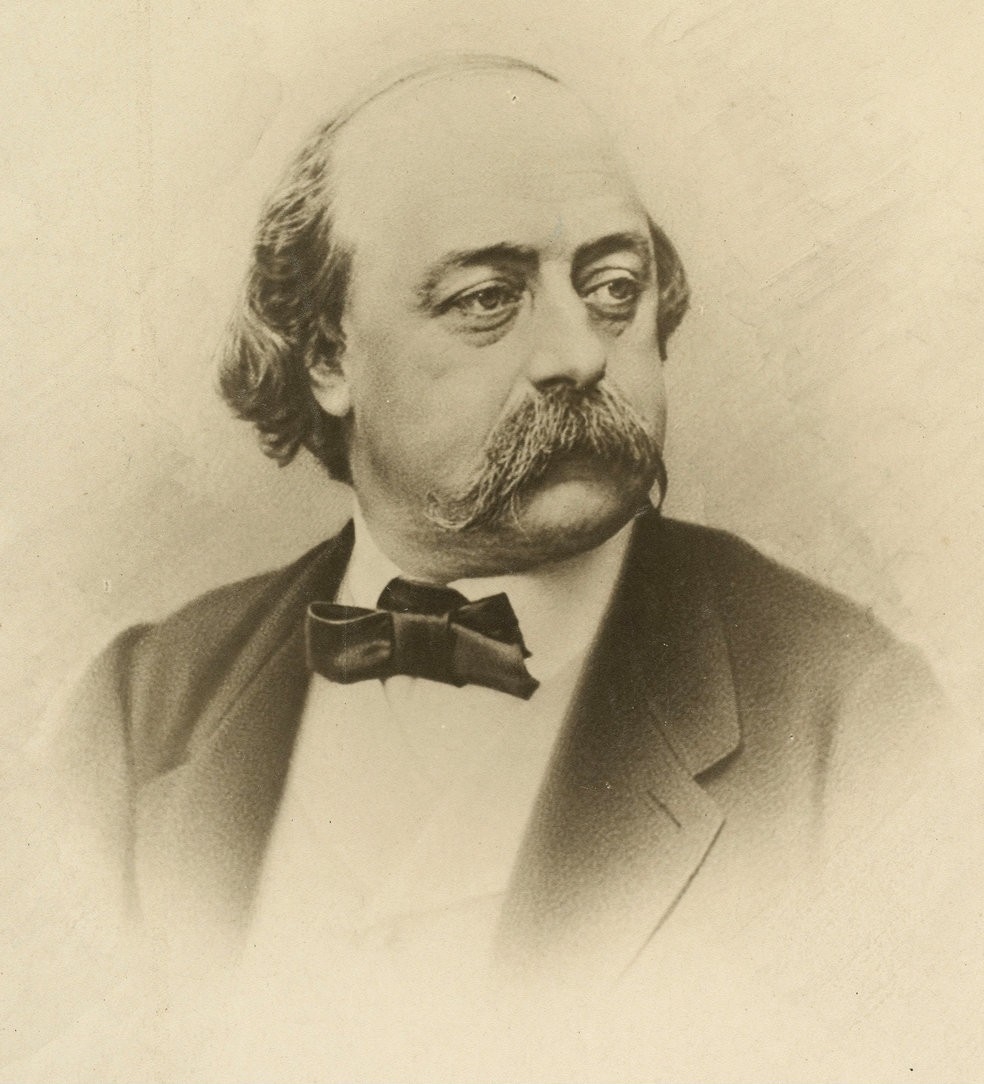


Style and technique
Flaubert pursued what he called the perfect word and devoted long periods to revising sentences until they met his standards. He preferred objective narration and an impersonal authorial voice, often using free indirect discourse to present a character’s thoughts without overt commentary. This technique influenced later novelists and contributed to a shift away from melodramatic storytelling toward a more restrained, observational prose.
Life and career
Raised in a provincial family—his father was a surgeon—Flaubert moved to Paris to study law but soon abandoned legal training to write. He spent much of his adult life in Croisset, near Rouen, where he revised manuscripts and corresponded widely with other writers and intellectuals. The publication of Madame Bovary in 1857 provoked a trial for obscenity; Flaubert and his publisher were acquitted, and the novel’s notoriety only increased his reputation.
Major works
- Madame Bovary (1857) — his breakthrough and most famous novel
- Salammbô (1862) — a historical epic set in Carthage
- L'Éducation sentimentale (1869) — a novel of political and personal disillusionment
- Trois Contes (1877) — a collection of three short stories
- Bouvard et Pécuchet (unfinished, published posthumously) — a satirical fragment about failed pursuits of knowledge
Legacy and importance
Flaubert’s insistence on precision and his innovations in point of view made him a model for later realist and modernist writers. His methods emphasized form as integral to meaning: narrative tone, rhythm, and diction all serve to shape the reader’s perception. The novelist’s extensive correspondence and essays also offer insight into 19th‑century literary debates and the craft of writing.
Notable facts about Flaubert include his meticulous revision process, his role in a high‑profile obscenity trial that raised questions about censorship, and his influence on narrative techniques still taught and used today. Readers encounter in his work a blend of psychological observation, social critique, and a craftsman’s devotion to language.
Related articles
Author
AlegsaOnline.com Gustave Flaubert: life, style, major works and influence Leandro Alegsa
URL: https://en.alegsaonline.com/art/41521