
Gunsmith: craft, history, and role in firearm maintenance
A gunsmith designs, builds, repairs and modifies firearms. This article explains skills, common tasks, historical development, differences from an armorer, tools, and modern importance.
A gunsmith is a skilled craftsperson who designs, constructs, modifies and repairs firearms. Work ranges from restoring antique pieces to building precision competition rifles. Gunsmithing combines metalworking, woodworking and mechanical fitting with an understanding of ballistics, safety and applicable laws.
Image gallery
9 Images


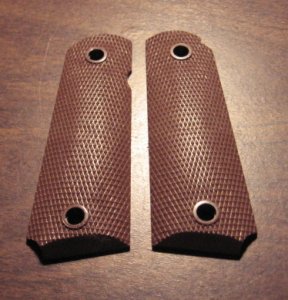
Core skills and typical work
Gunsmiths need practical knowledge of machining, heat treatment, stock shaping and finishing, as well as the ability to diagnose mechanical problems. Common services include trigger adjustments, barrel fitting, sight installation, refinishing, and complete rebuilds. Many gunsmiths also perform custom work such as accuracy tuning and ergonomic modifications.
Common tasks
- Inspection, disassembly and safety testing of firearms
- Barrel work: shaping, crowning and in some shops re-lapping or re-boring
- Action work: fitting bolts, tuning triggers and headspacing
- Wood and synthetic stock shaping, bedding and refinishing
- Restoration of historic pieces and custom engraving or finishes
Tools and workshop features
- Machine tools: lathe, milling machine and drill press for precise metal removal
- Hand tools: files, chisels, screwdrivers and specialized gunsmithing punches
- Measuring instruments: micrometers, calipers, gauges and headspace tools
- Finishing equipment: polishing wheels, bluing tanks and wood finishing supplies
The modern role of a gunsmith overlaps with manufacturing but is distinct in scale and scope. While some gunsmiths craft complete firearms, many focus on one-off repairs, customizations and restoration projects. Unlike an armorer, who typically maintains and issues service weapons within an organization, a gunsmith often works for private customers or commercial shops and handles broader fabrication tasks. For a general explanation of the term "guns" see guns.
Historically, the term "gunsmith" appears in English sources from the 1580s, emerging as firearms technology spread in Europe. Early gunsmiths combined skills of smiths, carpenters and metalworkers to produce hand-held firearms. Over centuries the trade evolved with industrialization and the introduction of precision machine tools.
Today gunsmiths remain important for firearms safety, heritage conservation and competitive shooting. Training is commonly obtained through apprenticeships, vocational programs or firearm-specific courses, and responsible practice requires attention to legal regulations and safety standards in the jurisdiction where the work is done.
Related articles
Author
AlegsaOnline.com Gunsmith: craft, history, and role in firearm maintenance Leandro Alegsa
URL: https://en.alegsaonline.com/art/41452
Sources
- merriam-webster.com : "Definition of GUNSMITH"
- encyclopedia.thefreedictionary.com : "Gunsmith"
- dictionary.com : "the definition of gunsmith"
- schooloftrades.edu : "The History of Gunsmithing"
- collegesanddegrees.com : "History of Gunsmithing in Early America"
- frontierfolk.org : "Kentucky Long Rifle"
- robohub.org : "The evolution of assembly lines: A brief history"
- gunsmithing.nra.org : "The Art of Gunsmithing"
- guidetoonlineschools.com : "Complete Guide to Gunsmithing Schools Online"
- gunsmithing.nra.org : "NRA Gunsmithing Schools"
- study.com : "List of the Top Gunsmithing Schools in the U.S."
- greenwoodgunsmiths.co.uk : "How to become a gunsmith"