
Gullah: Sea Island culture and language of the Lowcountry
The Gullah (also called Geechee) are African American communities from the coastal Lowcountry and Sea Islands of Georgia and South Carolina, noted for their creole language, crafts, cuisine, and cultural continuity.
The Gullah (often called Geechee) are descendants of Africans enslaved and brought to the coastal Lowcountry and Sea Islands of the southeastern United States. Their communities developed distinctive cultural patterns that blend West and Central African traditions with influences from European settlement and North American slavery. Today the historical heartland of the Gullah lies in parts of Georgia and South Carolina, and in the region’s small barrier islands often collectively referred to as the Sea Islands.
Image gallery
10 Images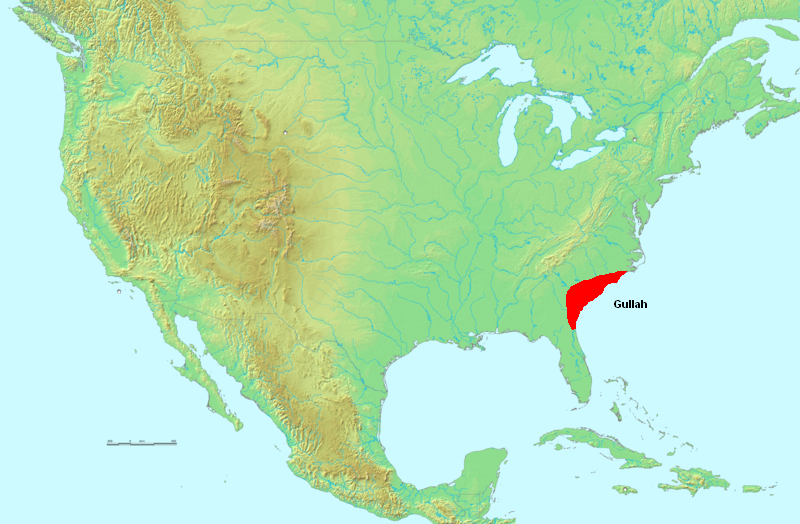




Language and cultural characteristics
The Gullah speak a creole known as Gullah or Geechee, a vernacular rooted in English grammar and vocabulary but shaped by African languages and oral traditions. Linguists describe it as an English-based creole with distinctive pronunciation, syntax, and many African loan-words; for background see general resources on creole languages and their formation from contact with English. Cultural forms—music, storytelling, crafts, farming methods, and religion—preserve elements traceable to diverse African source cultures, and are an important living strand of African diaspora heritage (African cultural influences).
Origins and historical development
The Gullah emerged in a context of rice, indigo, and sea-island cotton agriculture, economies that relied heavily on enslaved Africans whose knowledge of rice cultivation and wetland management proved invaluable. Geographic isolation on barrier islands and in tidal lowlands contributed to cultural continuity by limiting contact with mainland populations. Periods of Union occupation during the Civil War and the postwar Port Royal initiatives altered local labor arrangements and opened pathways for land ownership and cultural survival.
Traditions, crafts, and food
- Basketry: coiled sweetgrass baskets reflect West African techniques and remain an emblematic craft.
- Music and ritual: spirituals, work songs, and the ring shout link performance to African-derived religious practice.
- Cuisine: rice-based dishes, okra, seafood, and seasonings combine African ingredients and local resources.
Examples of island communities with notable Gullah presence include islands such as those once home to large Gullah populations; some of these have become sites of heritage tourism and cultural education efforts.
Contemporary issues and preservation
In recent decades Gullah communities have faced challenges from development, land loss, and linguistic shift as younger generations move away or adopt mainstream English. To counter this, descendants, scholars, and public programs have worked to document language and cultural practices and to protect historic land and rights. The cultural distinctiveness of the Gullah–Geechee continues to attract scholarly interest and supports ongoing efforts for recognition, education, and preservation of a unique American cultural landscape. For regional legislative, historical, and tourism references see resources on Florida, North Carolina and related state histories.
Readers seeking introductory materials can consult curated overviews and community projects at general heritage portals and dedicated cultural centers that document Gullah language, art, and history (Georgia, South Carolina, and broader regional sources).
Questions and answers
Q: Who are the Gullah?
A: The Gullah are the descendants of African slaves who lived in the Lowcountry regions of Georgia and South Carolina.
Q: Where did the Gullah live?
A: The Gullah lived on the mainland and on the Sea Islands in what is now Georgia and South Carolina.
Q: What used to be included in the Gullah region?
A: The Gullah region used to include what is now Florida, Georgia, South Carolina, and North Carolina.
Q: Is the Gullah area still present today?
A: Yes, the Gullah area is still present today, but only in Georgia and South Carolina.
Q: Was the Gullah culture influenced by North American culture?
A: Yes, the Gullah culture was influenced by North American culture.
Q: What language do the Gullah people speak?
A: The Gullah people speak a creole language that is based on English, but has many African loanwords.
Q: Did the Gullah people manage to preserve parts of their African culture?
A: Yes, the Gullah people were able to keep parts of their African culture.
Related articles
Author
AlegsaOnline.com Gullah: Sea Island culture and language of the Lowcountry Leandro Alegsa
URL: https://en.alegsaonline.com/art/41392
Sources
- georgiaencyclopedia.org : "Geechee and Gullah Culture"
- yale.edu : "Joseph A. Opala, "Bunce Island in Sierra Leone""
- web.ccsu.edu : Africa Update, Summer 1997, Pan-African Language Patterns Revisited, Central Connecticut State University
- africanaheritage.com : Joseph A. Opala, "The Gullah: Rice, Slavery and the Sierra Leone/American Connection," University of South Florida
- slaveryinamerica.org : "Rice and Slavery: A Fatal Gold Seede"
- npr.org : Bill Will Provide Millions for Gullah Community.
- chicagotribune.com : "Michelle Obama's Family Tree has Roots in a Carolina Slave Plantation"
- edu-cyberpg.com : "Supreme Court Justice Clarance Thomas a Gullah Speaker"