
Guelph — the Royal City of Ontario
Guelph is a mid-sized city in southern Ontario nicknamed the Royal City. Known for the University of Guelph, green spaces, rivers, a diversified economy and a humid continental (Dfb) climate.
Overview
Guelph is a regional city in southern Ontario, Canada, commonly known as the Royal City. It is notable for a compact downtown, an extensive network of parks and trails, and a mix of heritage and newer architecture. The community combines municipal services, cultural amenities and conservation areas that contribute to its reputation as a desirable place to live.
Image gallery
10 Images



History and name
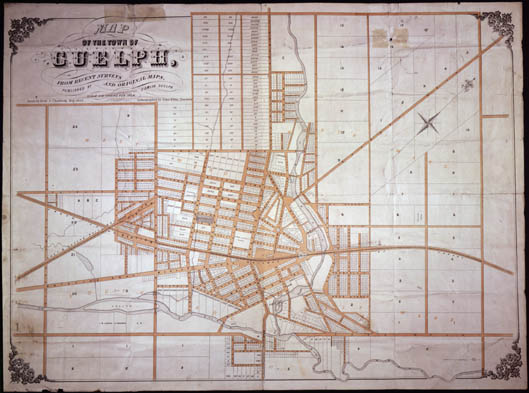
The settlement dates to the early 19th century and developed around local trade, mills and agriculture. Its name reflects the ancient House of Guelph (a royal dynasty), which is the origin of the city’s nickname. Over time Guelph grew with manufacturing, institutional development and educational institutions while preserving many historic districts and riverside areas.
Population and civic life
Official records show steady growth over recent decades; the 2011 census recorded a population of 121,688. Civic life is shaped by community festivals, arts venues, volunteer organizations and a strong post-secondary presence. The city is frequently recognised in rankings that cite a low unemployment rate and a comparatively low crime rate as factors affecting overall quality of life.
Geography and climate
Guelph lies along the Speed River and is surrounded by agricultural countryside and conservation lands. Summers are typically warm and humid and can reach about 30 °C in heat spells (warm, humid summers), while winters are cold and may drop well below freezing (cold winters). The climate is classed as Dfb under the Köppen climate classification, indicating a humid continental regime with warm summers and snowy winters.
Economy, education and culture
The local economy mixes education and research, light manufacturing, professional services and agri-food connections. The University of Guelph is a prominent institution that attracts students and research activity, influencing innovation and cultural programming. Farmers' markets, seasonal festivals and public art projects contribute to an active cultural scene, while parks and river corridors offer popular outdoor recreation.
Transport, planning and green space
Transportation includes regional roads, public transit and active-transport networks for cycling and walking; planning efforts place emphasis on balanced growth, heritage conservation and managing the urban-rural interface. The Speed River corridor and numerous parks form an important part of the city’s green strategy, supporting biodiversity and community well-being.
Further information
- Population and demographic summaries are available in official census reports and municipal publications (census, population data).
- Local government and tourism pages provide guidance on services, events and visitor attractions (city resources, provincial listings).
- Climate descriptions and classification details can be found in general references on the Köppen climate classification and regional climate summaries (Dfb).
This entry summarizes broadly known aspects of Guelph: its origins, role as a regional centre, university influence, green spaces and a temperate continental climate. For current figures, municipal plans and event listings consult official local and regional sources linked above.
Related articles
Author
AlegsaOnline.com Guelph — the Royal City of Ontario Leandro Alegsa
URL: https://en.alegsaonline.com/art/41217
Sources
- canadiantravelguide.net : "Guelph (Ontario)"
- aplaceformom.com : "Best Places to Retire in Canada"
- traveltill.com : "Climate in Guelph"