
Guangxi Zhuang Autonomous Region
Guangxi is an autonomous region in southern China, known for its Zhuang culture, karst landscapes around Guilin, border with Vietnam, coastal ports, ethnic diversity and role as a historical frontier.
Guangxi Zhuang Autonomous Region is a provincial-level autonomous region in southern China. It occupies a strategic position along the South China coast and shares an international boundary with Vietnam. The region's capital is Nanning, which serves as the political, economic and transport hub. Guangxi combines coastal plains, river valleys and rugged interior mountains and has long functioned as a cultural and commercial frontier between interior China and Southeast Asia.
Image gallery
10 Images


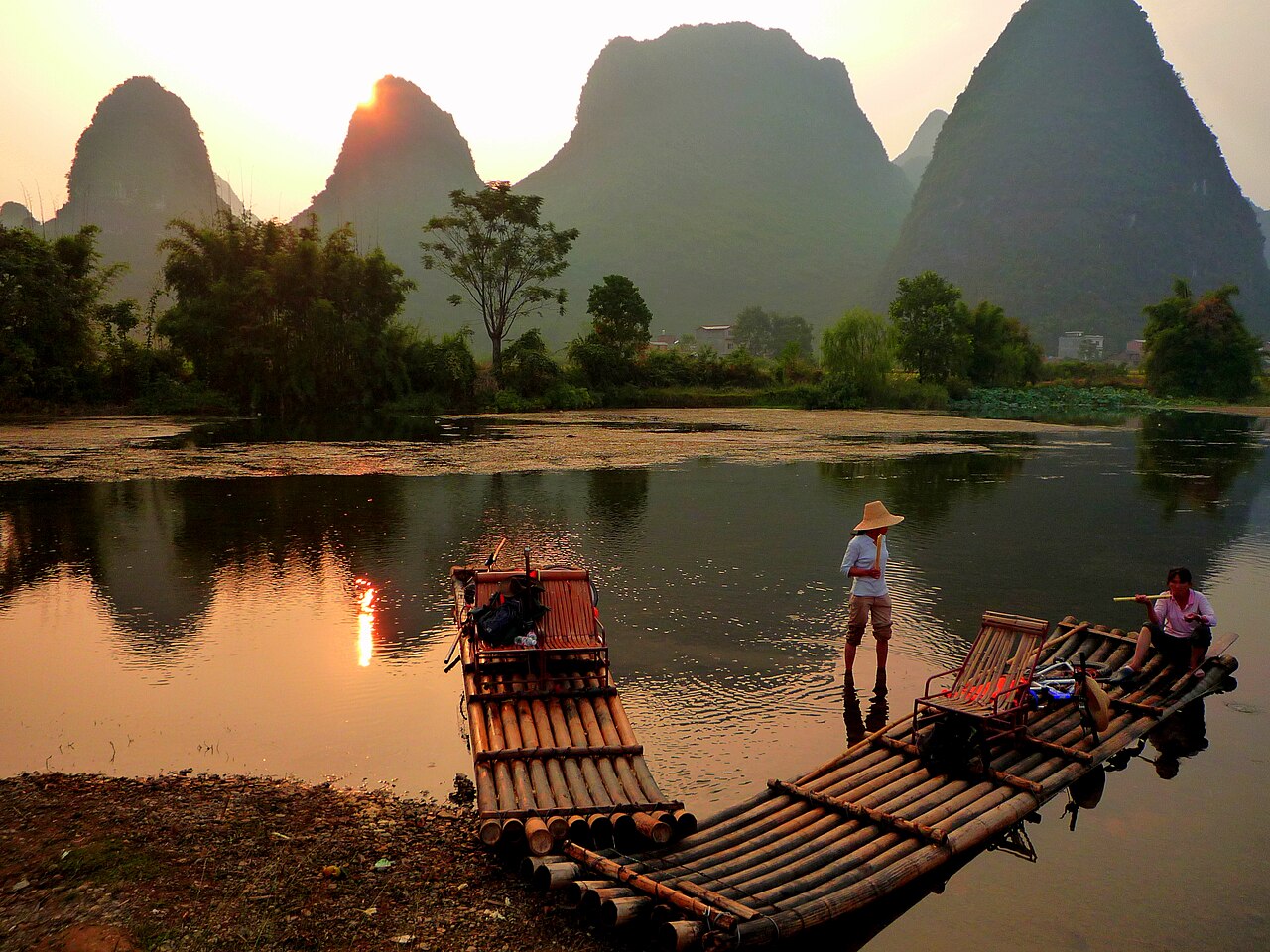


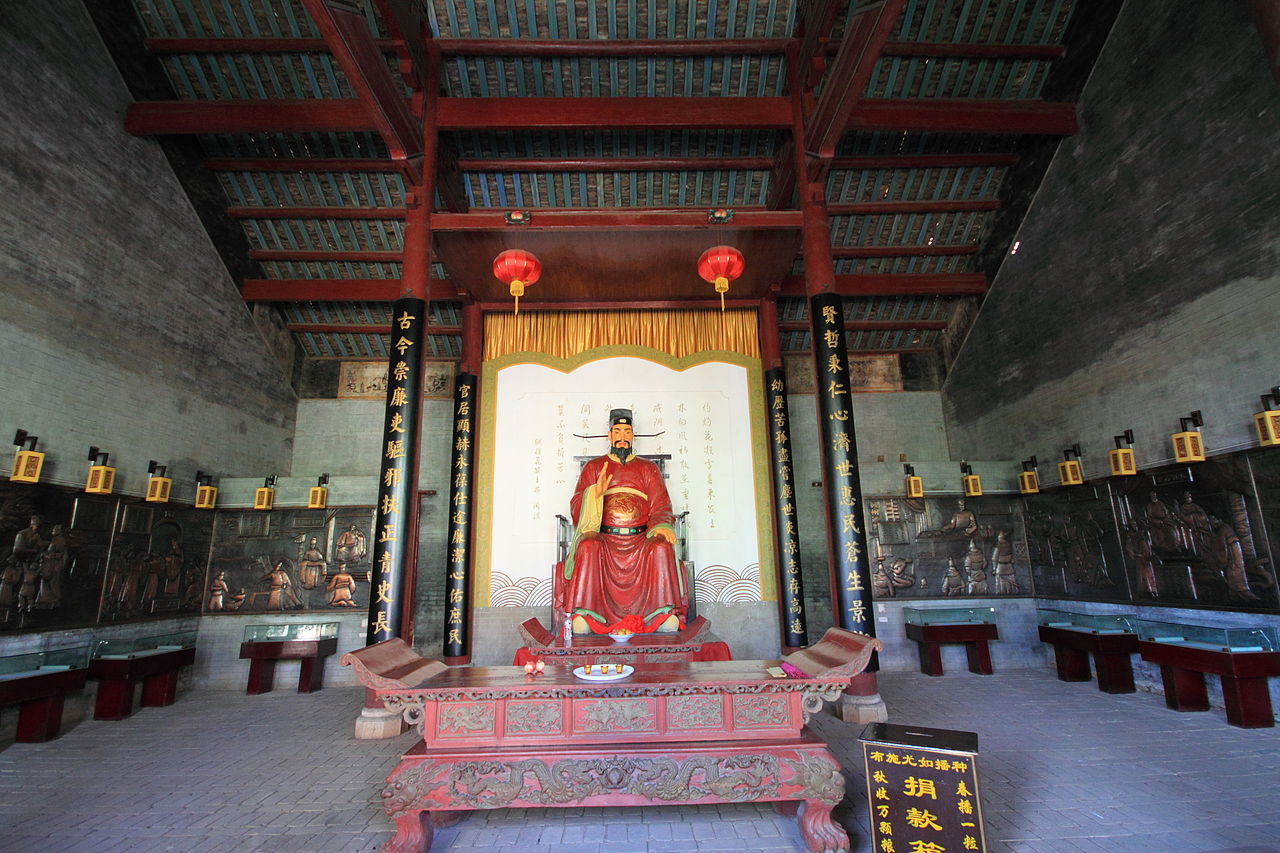


Geography and environment
Guangxi features a striking variety of landforms. Much of its interior is dominated by karst topography — steep limestone hills, caves and dramatic pinnacles — most famously visible near Guilin. Major rivers feed into the larger Pearl River system and reach the South China Sea via estuaries and the Beibu (Tonkin) Gulf. The climate is subtropical and humid, with warm, wet summers and mild winters, supporting rice agriculture, subtropical forests and a rich biodiversity.
Administrative divisions and major cities
The region is administered as an autonomous region with a number of prefecture-level cities and counties. Important urban centers include:
- Nanning — the capital and administrative center (Nanning).
- Guilin — world-famous for its karst scenery (Guilin).
- Liuzhou, Beihai, Qinzhou, Wuzhou, Yulin, Fangchenggang, Baise, Guigang, Hechi, Hezhou, Laibin, Chongzuo.
People, languages and culture
Guangxi is multiethnic. It is home to a significant population of the Zhuang, the largest of China's officially recognized ethnic minorities, and the region's autonomous status recognizes their cultural presence. Ethnic Han Chinese also make up a large portion of the population. Local languages and dialects include varieties of Zhuang (a Tai language), Cantonese and other Yue dialects, as well as Southwestern Mandarin. Traditional festivals, music and handicrafts reflect a blend of Han and minority customs.
History and identity
The name element "Guang" (meaning an expanse or broad area) has been attached to administrative units in the region since ancient times; a Guang prefecture was recorded early in the first millennium. Historically the area formed part of the Lingnan region — seen by many historians as a southern frontier of Chinese states, with distinct local cultures and intermittent contact with peoples to the south and west. Over the modern era its status evolved with national reorganizations, and in the 20th century it was designated as one of China's autonomous regions to acknowledge its ethnic diversity.
Economy, transport and tourism
Guangxi's economy mixes agriculture, industry, resource extraction and growing services. Key agricultural products include rice, sugarcane and tropical fruits. Coastal ports such as Beihai and Qinzhou link the region to maritime trade across the South China Sea; cross-border roads and railways support trade with Southeast Asia and the Association of Southeast Asian Nations (ASEAN). Tourism is a major sector: the karst scenery around Guilin and the Longji (Dragon's Backbone) rice terraces draw domestic and international visitors, and transboundary scenic sites like the Detian/Ban Gioc Falls attract tourists from both China and Vietnam.
Notable features and distinctions
- Guangxi is an autonomous region established to recognize the presence and cultural rights of the Zhuang people.
- The karst landscapes of southern Guangxi form part of the broader South China Karst, noted for geological and scenic significance.
- Its position along the border with Vietnam and on the Gulf has shaped a history of cross-border exchange and diverse cultural influences.
- Major cities like Nanning and Guilin serve as centers for government, transport and tourism, while a network of ports supports trade.
For more general information about the region and its institutions, see regional portals and resources linked to government and cultural sites at Guangxi.
Related articles
Author
AlegsaOnline.com Guangxi Zhuang Autonomous Region Leandro Alegsa
URL: https://en.alegsaonline.com/art/41161