
Nanning — capital of Guangxi Zhuang Autonomous Region, China
Overview of Nanning, the capital of Guangxi in southern China: geography, history, population, economy, culture, transport and key facts, including its role as a China–ASEAN hub.

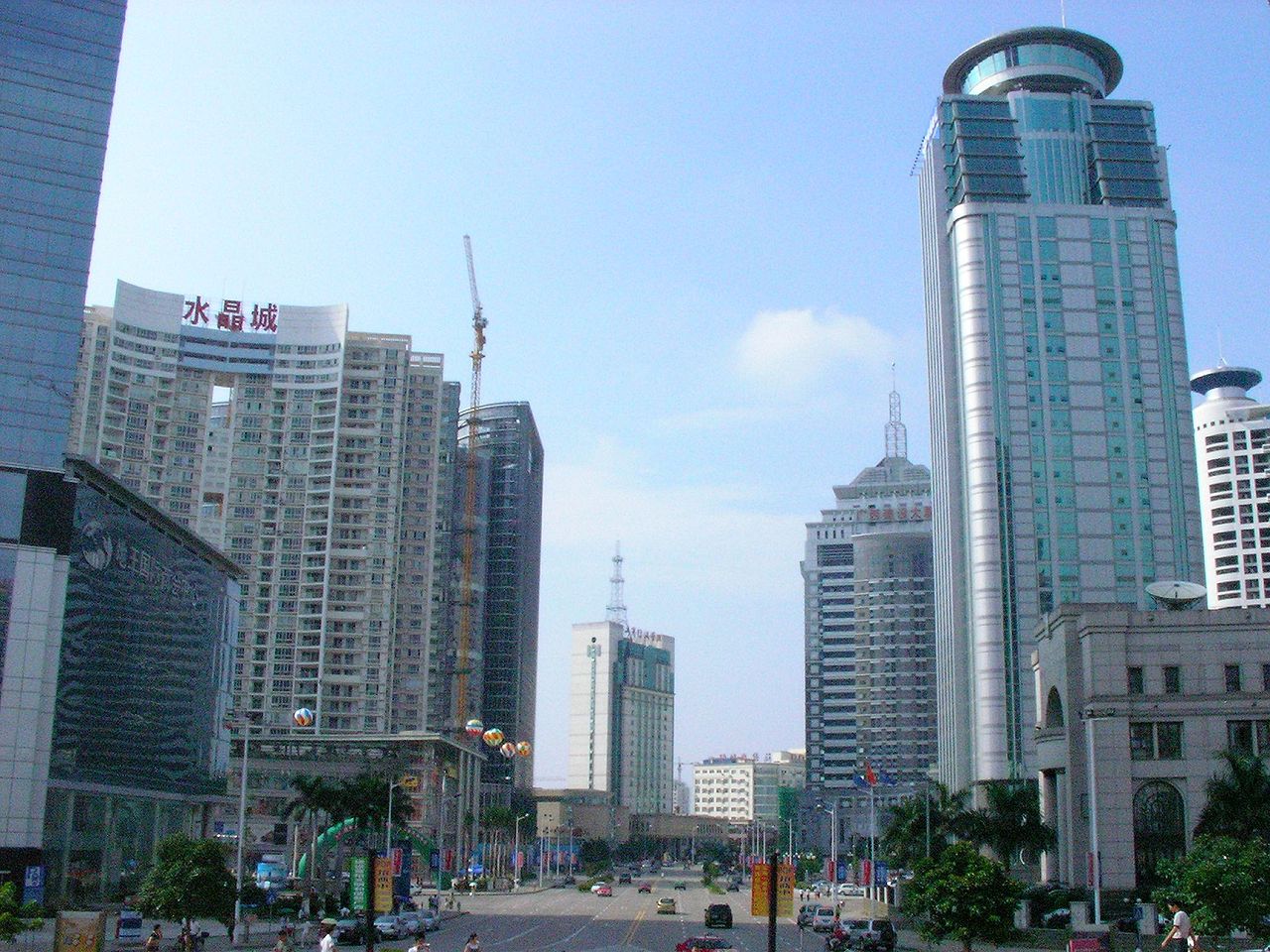
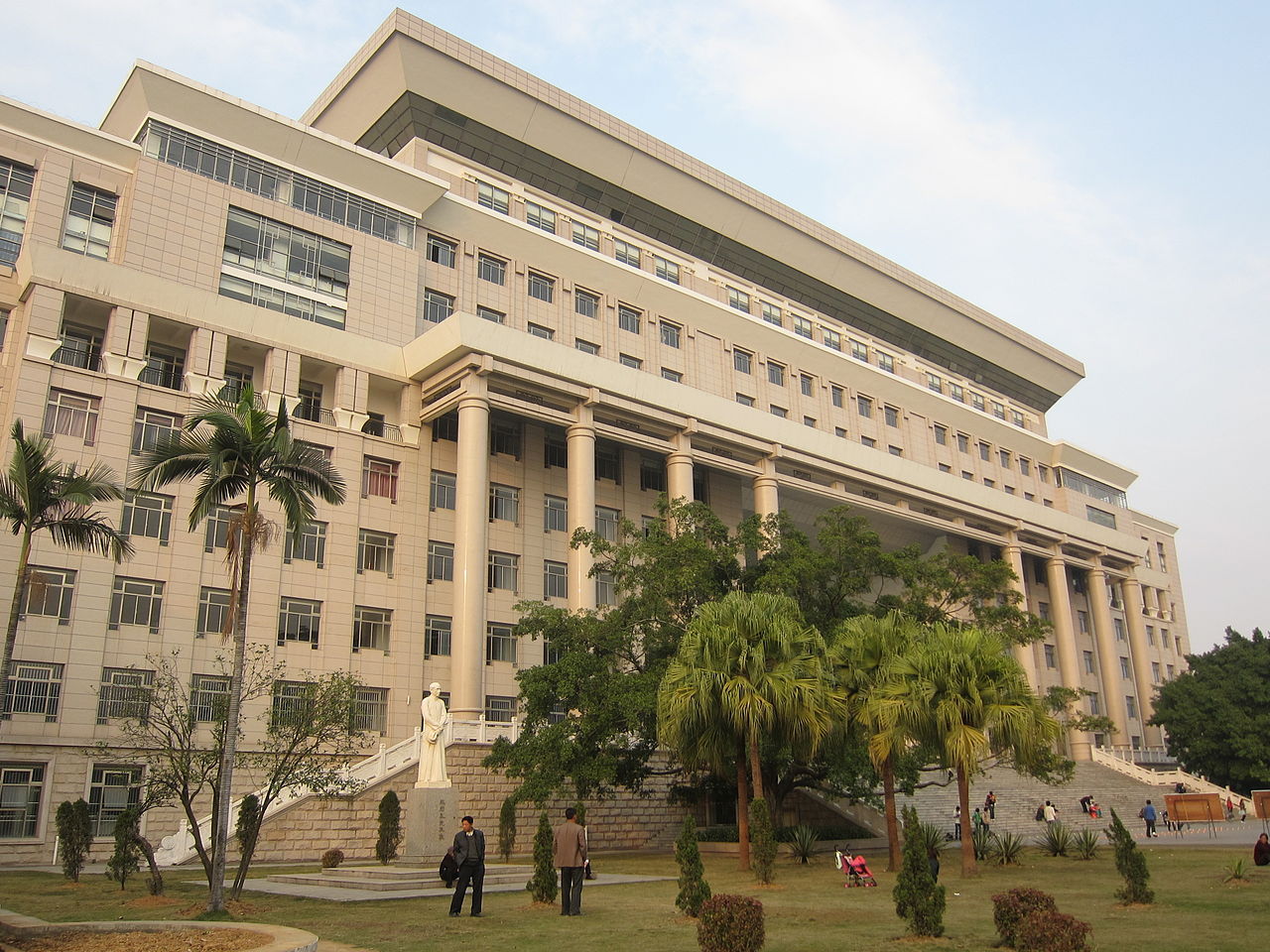
Nanning (Chinese: 南宁; pinyin: Nánníng) is the administrative centre and largest city of the Guangxi Zhuang Autonomous Region in southern China. Situated inland but near the border with Vietnam, Nanning serves as a regional political, economic and cultural hub. The municipality had roughly 7.24 million residents in 2018 and has grown steadily as a center for trade and industry.
Image gallery
10 Images




Geography and climate
Nanning lies on low hills and river plains crossed by the Yong (邕江) and other tributaries. Its location in a subtropical zone gives it warm, humid summers and mild winters, supporting lush vegetation across the city. The abundance of tree-lined avenues and parks has earned Nanning the nickname "Green City." Administratively it governs urban districts and surrounding rural counties that blend urban and agricultural landscapes.
History and development
The area around Nanning has been settled for millennia and became more prominent as roads and waterways linked southern China with Southeast Asia. During the 20th and 21st centuries the city expanded rapidly with infrastructure investment, industrial parks and improved transport links. Since the early 2000s Nanning has hosted the China–ASEAN Expo, strengthening its role in regional diplomacy and commerce.
Economy and transport
Nanning's economy mixes manufacturing, commerce, services and agriculture from its surrounding counties. Key sectors include electronics, automobile parts, food processing and timber products. The city functions as a logistics and trade gateway between China and countries of mainland Southeast Asia.
- Air: an international airport connects Nanning to major Chinese cities and nearby countries.
- Rail and road: high-speed and conventional rail lines plus expressways link the city across the region.
- Urban transit: metro lines and buses provide inner-city mobility.
Culture and tourism
Nanning reflects Guangxi's multiethnic character, particularly the Zhuang people, whose traditions influence local festivals, music and cuisine. Visitors are drawn to green public spaces, suburban scenic areas, regional museums and markets offering local handicrafts and food. The city's events and trade fairs attract business visitors and tourists alike, underscoring its civic and economic importance in southern China.
For basic administrative information and official names see regional sources such as the Guangxi government and city portals (Guangxi Zhuang Autonomous Region).
Author
AlegsaOnline.com Nanning — capital of Guangxi Zhuang Autonomous Region, China Leandro Alegsa
URL: https://en.alegsaonline.com/art/143128