
Haptophyte (Prymnesiophyta): single-celled algae with a haptonema
Haptophytes are mostly unicellular, chiefly marine algae distinguished by two flagella and a haptonema. They include coccolithophores important to the carbon cycle and have a rich fossil record used in biostratigraphy.
Overview
Haptophytes are a group of mostly single-celled algae often treated as the phylum Prymnesiophyta. They occur primarily in marine plankton but include freshwater representatives. Most species are photosynthetic phytoplankton that contribute substantially to primary production in the world’s oceans.
Image gallery
2 Images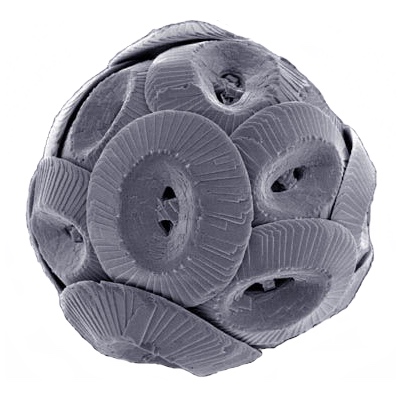

Characteristic structures
Haptophytes are best known for two slightly unequal flagella and a distinctive appendage called a haptonema. The haptonema resembles a flagellum at first glance but differs in its internal microtubule arrangement and in function. It is used for attachment, prey handling or sensory tasks rather than propulsion. Many haptophytes are covered by plates or scales; some build calcified plates (coccoliths) that are important in global biogeochemical cycles.
Key features
- Motility: two flagella allow swimming and orientation in the water column.
- Haptonema: a unique, coiling appendage used in feeding and contact.
- Surface coverings: organic scales or mineralized coccoliths in coccolithophores.
- Size and form: mostly microscopic, often single cells but sometimes colonial.
Ecology and importance
Haptophytes play several ecological roles. Photosynthetic species fix carbon and form blooms that can be detected by satellites; the coccolith-bearing genus Emiliania (for example, Emiliania huxleyi) produces large, visible blooms. Calcifying haptophytes influence the oceanic carbon pump because their calcium carbonate plates affect how carbon is exported to the deep sea. Some species, such as certain Prymnesium, can produce toxins and cause harmful fish kills, showing that haptophytes influence both ecosystem productivity and fisheries.
Diversity, history and fossil record
The group contains diverse lineages with varied life cycles and trophic modes. Fossilized coccoliths form an extensive microfossil record (calcareous nannofossils) that is widely used in biostratigraphy and paleoceanography to reconstruct past climates and ocean chemistry. Taxonomic and molecular studies continue to refine relationships within the group and with other algal lineages.
Research and human relevance
Haptophytes are studied in ecology, climate science and aquaculture. Their role in carbon cycling makes them relevant to models of atmospheric CO2 and ocean acidification. Laboratory work on haptonema function, calcification, and bloom dynamics combines microscopy, molecular tools and remote sensing. Further information and taxonomic databases can be consulted through specialist portals such as algal databases and phylogenetic resources at research repositories or general overviews at reference sites.
Studies of haptophytes illustrate how microscopic organisms can have outsized effects on global biogeochemical cycles, marine food webs, and human economic interests.
Questions and answers
Q: What are Haptophytes?
A: Haptophytes are a phylum of algae that are single-celled photosynthetic phytoplankton.
Q: How many flagella do Haptophytes typically have?
A: Haptophytes typically have two slightly unequal flagella.
Q: What is the unique organelle found in Haptophytes?
A: The unique organelle found in Haptophytes is a haptonema.
Q: What is the difference between a haptonema and a flagellum?
A: A haptonema is similar to a flagellum in appearance but differs in its arrangement of microtubules and use.
Q: What is the meaning of the Greek roots in the name Haptophyte?
A: The Greek roots in the name Haptophyte mean "touch" and "thread."
Q: Are Haptophytes able to photosynthesize?
A: Yes, Haptophytes are able to photosynthesize.
Q: Is there another name for Haptophytes?
A: Yes, Haptophytes are sometimes called the Prymnesiophyta.
Related articles
Author
AlegsaOnline.com Haptophyte (Prymnesiophyta): single-celled algae with a haptonema Leandro Alegsa
URL: https://en.alegsaonline.com/art/42360
Sources
- amjbot.org : amjbot.org