
Sierra de Guadarrama National Park
Protected mountain area in central Spain covering about 340 km². Noted for high peaks, glacial cirques, pine forests, diverse wildlife and close proximity to Madrid and Segovia.
Sierra de Guadarrama National Park (Spanish: Parque Nacional de la Sierra de Guadarrama) is a protected mountain area in central Spain. The park encompasses roughly 340 square kilometres and lies along the crest of the Sierra de Guadarrama range, part of the larger Sistema Central. It is one of the larger national parks in the country, with only a handful of parks exceeding it in area. The designation recognizes both its scenic mountain landscapes and its ecological value within a densely populated part of the Iberian Peninsula.
Image gallery
4 Images

Geography and landscape
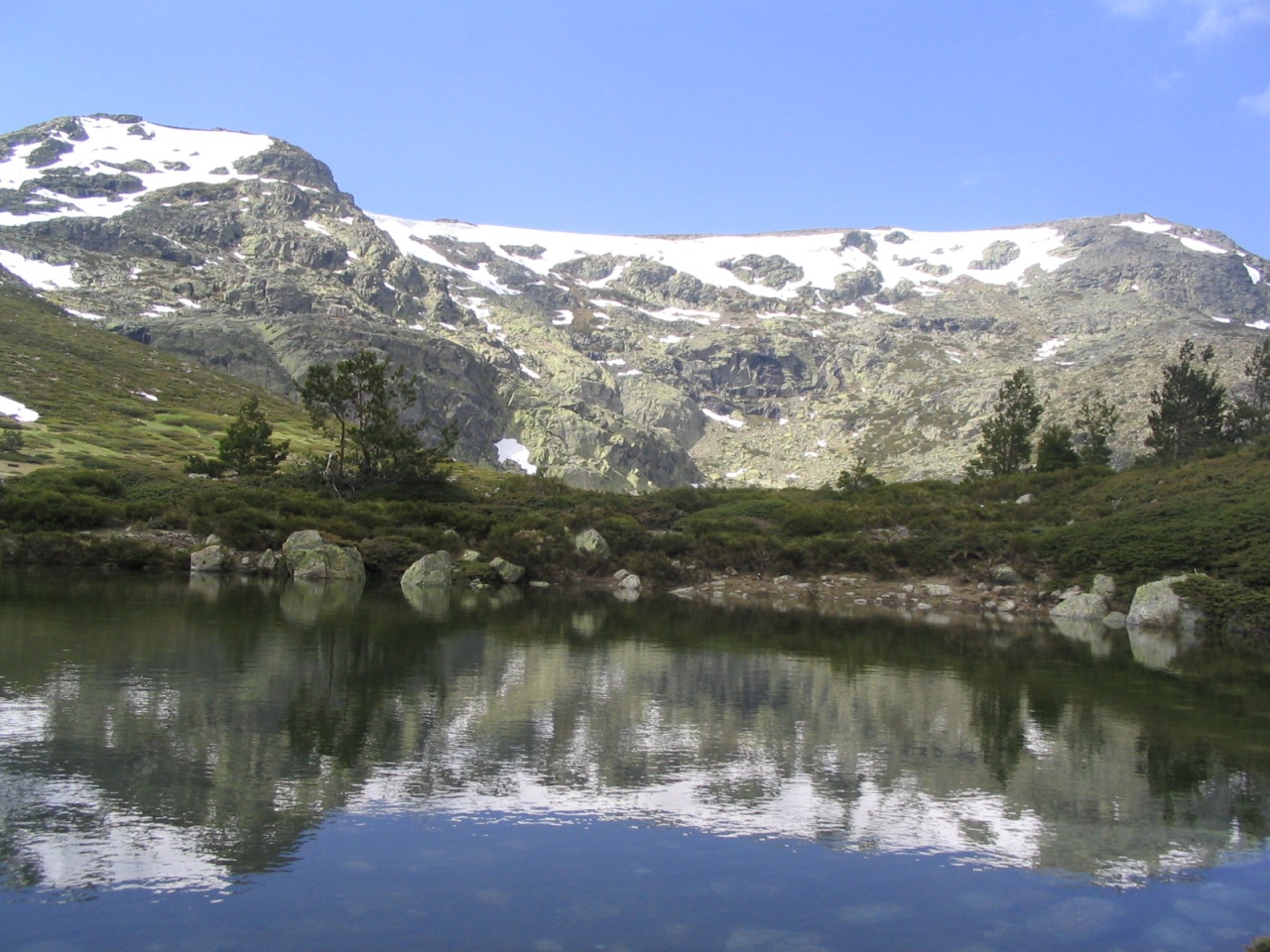
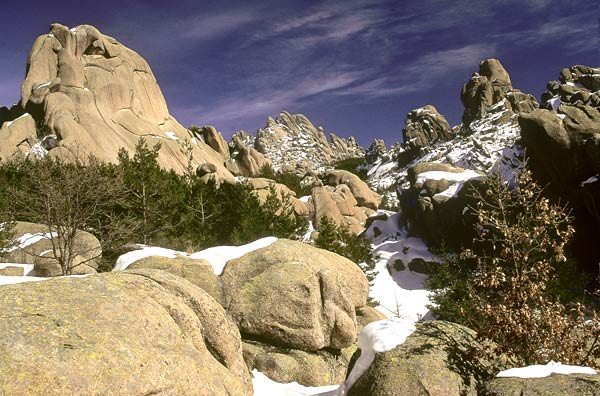
The park contains a compact granite massif characterized by steep ridges, high peaks, glacial cirques and small mountain lakes. Elevations rise above 2,400 metres in places, producing a marked altitudinal zonation of climate and vegetation. Winters bring persistent snow to higher slopes, while summers are cool compared with the surrounding lowlands. Valleys, streams and peat-form wetlands occur in the park’s higher basins, reflecting past glaciation and a complex geological history.
Habitats and wildlife
A mosaic of habitats supports the park’s biodiversity. Vegetation ranges from mixed and Scots pine forests in lower zones to high-mountain meadows, shrubs and exposed rock near the summits. Typical animal residents include ungulates such as roe deer and the Iberian ibex, a variety of small mammals and a rich bird fauna dominated by raptors and scavengers.
- Representative habitats: pine woodland, scrubland, alpine meadows, wetlands and rocky outcrops.
- Wildlife highlights: mountain ungulates, numerous passerines and birds of prey, amphibians in cold-water pools.
The park plays an important role as a refuge for mountain species in a landscape otherwise shaped by agriculture and urban development.
History, protection and human use
Long used for seasonal grazing, forestry and mountain recreation, the Guadarrama range had multiple protective designations before receiving national park status in the 2010s. Its proximity to large population centres such as Madrid and Segovia makes it a popular destination for hiking, climbing, winter sports and environmental education, and several visitor centres and trail networks provide access and interpretation.
Management balances conservation with recreation and scientific research. Ongoing priorities include controlling visitor impacts, reducing wildfire risk and monitoring how rising temperatures affect high-mountain ecosystems. The park also contributes to regional ecological connectivity and to public appreciation of Spain’s montane natural heritage.
For further general information about national park systems and protected areas see national park resources and regional guides. Local visitor services and seasonal access details are available from park authorities and nearby municipal tourism offices.
Related articles
Author
AlegsaOnline.com Sierra de Guadarrama National Park Leandro Alegsa
URL: https://en.alegsaonline.com/art/41139