
Groß-Gerau (district) — overview, geography, history and economy
Groß-Gerau is a district (Kreis) in southern Hesse, Germany. It lies in the Rhine‑Main area between the rivers Main and Rhine, containing towns like Groß‑Gerau, Rüsselsheim and Kelsterbach.
Overview
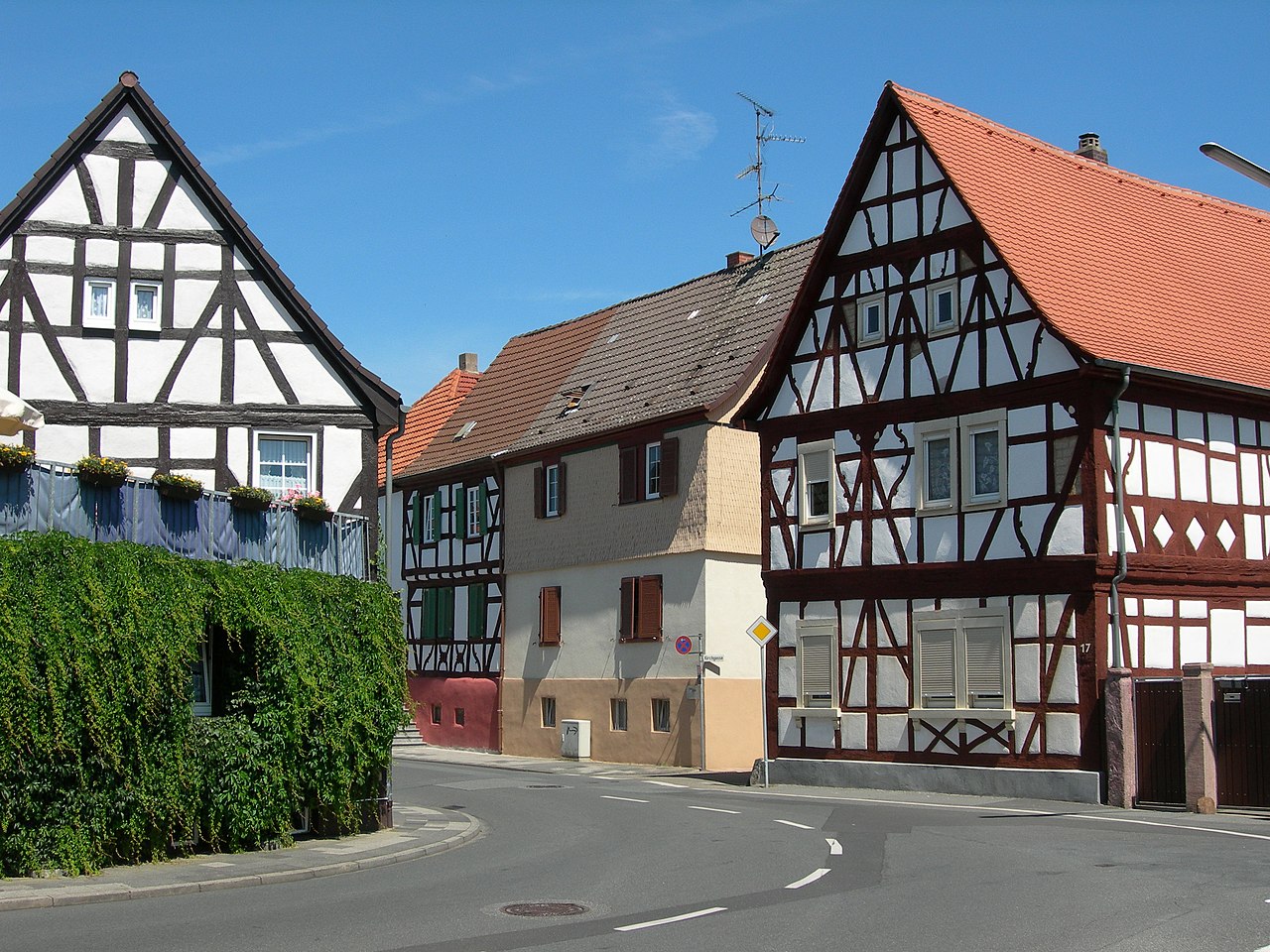
Groß-Gerau is a Landkreis, commonly called a district, located in the south of the federal state of Hesse in Germany. Its administrative centre is the town of Groß‑Gerau. The district forms part of the densely settled Rhine–Main metropolitan region and combines suburban communities, industrial centres and agricultural land in a compact area.
Image gallery
2 Images
Geography
The district occupies low-lying terrain of the Rhine‑Main plain. The river Main defines the northern edge while the Rhine marks much of the western boundary. These rivers have shaped the local landscape, providing fertile alluvial soils and floodplains, as well as riverside recreation areas. Large transport corridors and short distances to Frankfurt make the district an important node for commuting and logistics.
History
The area now forming Groß‑Gerau has long been occupied, with traces of Roman and early medieval activity along the Rhine and Main. Modern administrative boundaries emerged from 19th‑century territorial reforms and were refined in later reorganisations of German local government. Over time the district has evolved from an agricultural hinterland into part of a broader industrial and service region.
Economy and transport
Industry and services are prominent alongside farming. Rüsselsheim, one of the district’s larger towns, is widely known for its automobile manufacturing heritage and related suppliers; other towns host logistics, chemical and light manufacturing firms. Proximity to Frankfurt Airport and major motorways supports freight and commuter flows, while rail connections link communities to the wider Rhine‑Main network.
Municipalities and notable facts
The district comprises a mix of towns and smaller municipalities. Larger or well-known places include:
- Groß‑Gerau (administrative seat)
- Rüsselsheim (industrial and automotive centre)
- Kelsterbach (close to Frankfurt Airport)
- Mörfelden‑Walldorf (residential and commercial link to the region)
Groß‑Gerau balances urban development with agricultural areas and river landscapes, offering cultural events, local markets and riverside leisure opportunities. Visitors and residents benefit from the district’s location within one of Germany’s most dynamic economic zones.
Related articles
Author
AlegsaOnline.com Groß-Gerau (district) — overview, geography, history and economy Leandro Alegsa
URL: https://en.alegsaonline.com/art/40974
Sources
- statistik.hessen.de : "Bevölkerung der hessischen Gemeinden"
- commons.wikimedia.org : Kreis Groß-Gerau
- tools.wmflabs.org : 49°54′46″N 8°28′41″E / 49.912646°N 8.478189°E / 49.912646; 8.478189