
Großer Krottenkopf
Highest summit of the Allgäu Alps (2,656 m) in Tyrol, Austria. A limestone mountain of the Hornbach chain, known for steep ridges, alpine views and routes ranging from long hikes to exposed climbs.
Overview
The Großer Krottenkopf is the highest mountain in the Allgäu Alps, reaching an elevation of 2,656 metres (8,714 ft). It stands in the Austrian state of Tyrol and forms a prominent point on the long crest of the Allgäu range. Its location and stature make it a landmark for mountaineers and hikers exploring the high Alps of this region. For general information on the wider range see the Allgäu Alps page: Allgäu Alps. The mountain itself lies within Austria: Austria.

Image gallery
4 Images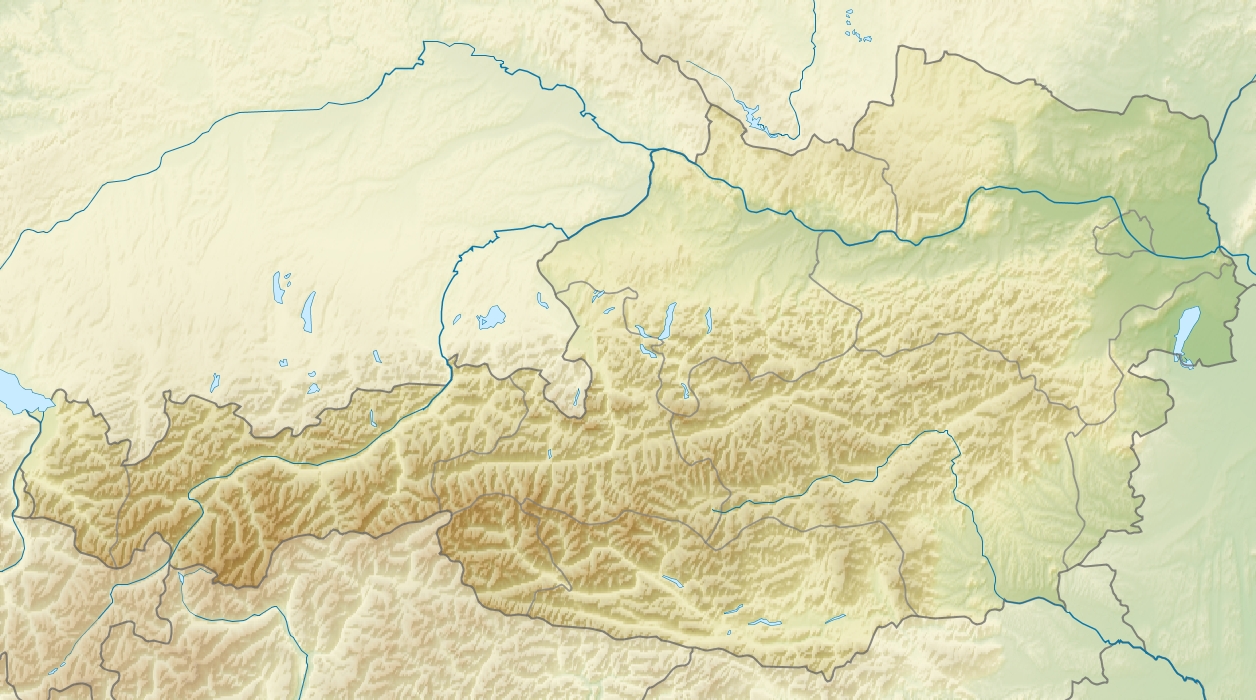


Geology and landscape
Großer Krottenkopf belongs to the Hornbach chain, a subrange that extends eastwards along the main branch of the Allgäu Alps for about 15 km. The massif is typical of the Northern Limestone Alps: steep, rugged ridges composed mainly of limestone and dolomite, with rocky summits, cliffs and occasional karst features. The steep relief and broken terrain produce dramatic profiles when viewed from the surrounding valleys and provide varied habitats for alpine flora and fauna.
Routes and access
There are several approaches to the summit from different directions. Routes vary in character from long, strenuous hikes to exposed alpine scrambles that require sure-footedness, basic route-finding skills and appropriate equipment. Some lines follow marked mountain trails while others cross scree slopes and rocky ridgelines. Climbers and walkers should consult current maps and local guides before attempting an ascent. The Hornbach chain context is described here: Hornbach chain.

History and name
The name Großer Krottenkopf is German: Großer means "greater" or "large," and Krottenkopf literally translates as "toad head." Like many mountain names, it likely refers to a perceived shape, a local place-name tradition or historic land-use terms rather than the presence of amphibians. Human use of the area has long centered on seasonal grazing, alpine transit routes and, more recently, recreational mountaineering and nature appreciation.
Importance and practical notes
As the highest summit of the Allgäu Alps, the Großer Krottenkopf is notable for panoramic views across neighbouring ranges and for its role in local mountain culture. Typical considerations for visitors include seasonal weather changes (summer hiking is most common), the need for alpine experience on exposed sections, and respect for fragile alpine vegetation and wildlife. Practical advice: plan for sudden weather, wear sturdy boots, carry navigation tools, and consider joining experienced groups if unfamiliar with high-alpine terrain.
Further distinctions
Beyond its altitude, the mountain is valued as a reference point in topography and a destination for those seeking less crowded high-elevation climbs compared with some better-known Alpine peaks. Although accessible, its rocky nature and remote ridgelines give it a distinctly alpine character that rewards preparation and respect for mountain conditions.
Questions and answers
Q: What is the Großer Krottenkopf?
A: The Großer Krottenkopf is the highest mountain in the Allgäu Alps, located in Austria.
Q: How tall is it?
A: The Großer Krottenkopf is 2,656 metres (8,714 ft) tall.
Q: What chain does it belong to?
A: It belongs to the Hornbach chain, which runs along the main branch of the Allgäu Alps for 15 km eastwards.
Q: Are there any routes to climb it?
A: Yes, there are several routes to climb it from different directions.
Q: When was it first climbed?
A: This information is not provided in the text.
Q: Where can I find more information about climbing this mountain?
A: You can find more information about climbing this mountain by doing further research online or consulting a local guide.
Related articles
Author
AlegsaOnline.com Großer Krottenkopf Leandro Alegsa
URL: https://en.alegsaonline.com/art/40983
Sources
- amap.at : "Austrian Map online"