
Anthrax — causes, forms, history, diagnosis, treatment and prevention
Anthrax is an infectious disease caused by Bacillus anthracis affecting humans and many animals; notable for long‑lived spores, several clinical forms, treatability with antibiotics, and available vaccines.
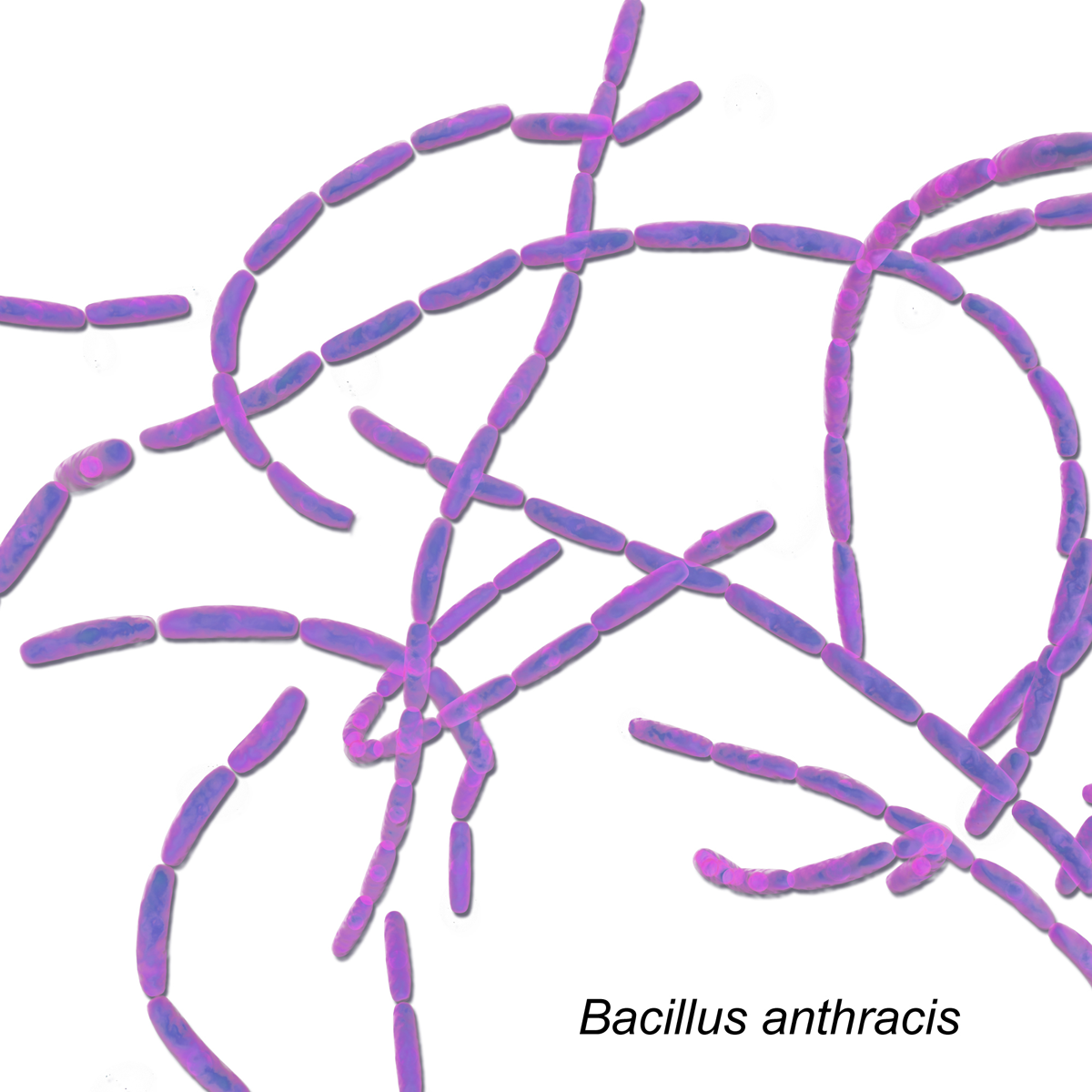
Anthrax is an infectious disease caused by the bacterium Bacillus anthracis. It primarily affects herbivorous mammals but can also infect humans who come into contact with infected animals, contaminated animal products, or environmental spores. The organism produces hardy spores that survive for long periods in soil and other materials, making environmental reservoirs important to its ecology. For a basic overview see Anthrax overview.
Image gallery
10 Images





Biology and clinical forms
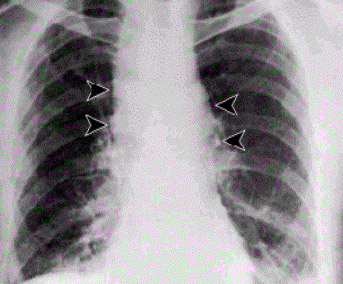
B. anthracis is a rod‑shaped, spore‑forming bacterium. Infection occurs when spores enter the body and germinate, producing toxins that can cause severe illness. Clinically, anthrax is classically described in several main forms:
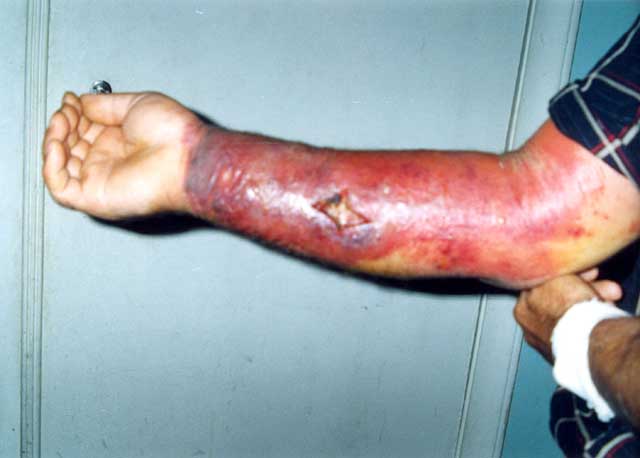
- Cutaneous — through skin breaks; the most common and usually the least severe when treated early.
- Inhalational — from breathing spores; can progress rapidly and is associated with high mortality if not promptly treated.
- Gastrointestinal — after ingestion of contaminated meat; causes severe abdominal disease.
- Injectional — reported in association with injection of contaminated drugs; presentation may differ from classical cutaneous disease.
Symptoms depend on the form and can include fever, localized swelling, ulcers with black eschar (cutaneous), severe respiratory distress (inhalational), or abdominal pain and bleeding (gastrointestinal). Human‑to‑human transmission is uncommon.
History and discovery
Anthrax has been recognized for millennia as a disease of livestock and people who work with animals. In the late 19th century, the bacterium was identified and linked to disease as a landmark example supporting germ theory. Early vaccines were developed for animals and later adapted for use in humans; notable advances in veterinary vaccination dramatically reduced outbreaks in many regions. For historical context and sources, see historical notes.
Diagnosis, treatment and prevention
Diagnosis relies on clinical assessment combined with laboratory tests such as culture, immunological assays, and molecular methods. Prompt antibiotic therapy is effective for many cases; typical management may include one or more antibiotics and supportive care. There are licensed vaccines used for people at higher occupational risk and for livestock in some countries. Public health measures—animal vaccination, safe disposal of carcasses, decontamination of contaminated sites, and control of animal products—reduce risk of human disease. General treatment and prevention resources: diagnosis and care and treatment guidelines.
Notable facts and public health importance
Anthrax spores' durability makes environmental contamination a long‑term concern after outbreaks. Because of its potential to cause severe disease and the durability of spores, anthrax is monitored closely by veterinary and public health authorities. Vaccination strategies, rapid diagnosis, and access to antibiotics are key to minimizing illness and preventing fatalities. Further information on vaccines and control measures can be found at vaccination and prevention.
Questions and answers
Q: What is anthrax?
A: Anthrax is a disease that affects both humans and animals caused by the bacterium bacillus anthracis.
Q: What kind of animals are susceptible to anthrax?
A: Even-toed ungulates, such as camels and giraffes, are common hosts of anthrax.
Q: How is anthrax transmitted to humans?
A: Humans usually catch anthrax from animals.
Q: Can anthrax be transmitted directly from one human to another?
A: Anthrax is usually not passed from one human to another.
Q: Is there a treatment available for anthrax?
A: Yes, anthrax can be treated with antibiotics.
Q: Is there a vaccine available for anthrax?
A: Yes, there is a vaccine available against anthrax.
Q: What happens if anthrax is left untreated?
A: If left untreated, anthrax often leads to death.
Related articles
Author
AlegsaOnline.com Anthrax — causes, forms, history, diagnosis, treatment and prevention Leandro Alegsa
URL: https://en.alegsaonline.com/art/4594