
Greifswald: University and Hanseatic Town on Germany’s Baltic Coast
Greifswald is a historic university and Hanseatic town in northeastern Germany, noted for its medieval architecture, Baltic coastal setting, and the University of Greifswald, one of Europe’s oldest universities.
Overview
Greifswald is a coastal town in northeastern Germany with a long history as both a university seat and a member of the medieval commercial league. Its official name, Universitäts- und Hansestadt Greifswald, reflects those twin identities and derives from German roots — Greif (griffin) and Wald (forest). The town lies on waterways that connect to the Baltic Sea and today has a population of roughly 55,000 people, including a substantial student community.
Image gallery
10 Images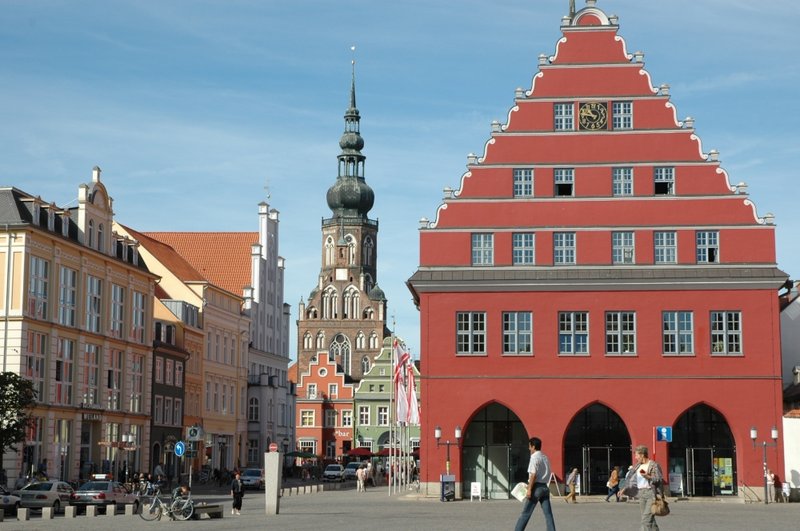





Geography and townscape
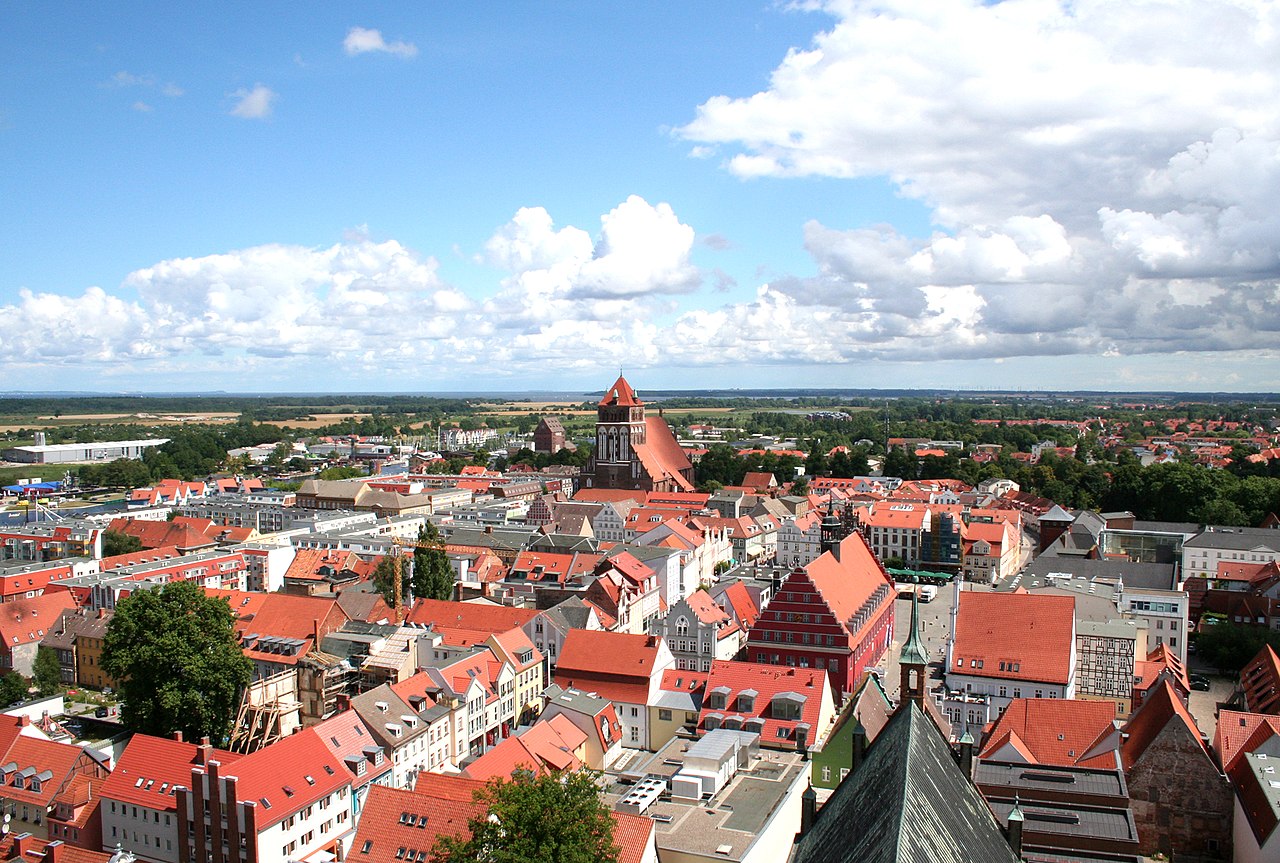
Greifswald is located near the southern shore of the Baltic, at the mouth of the River Ryck leading into a sheltered bay. Its location places it about 200 kilometres north of Berlin and within the coastal region of Mecklenburg-Western Pomerania. The built environment blends a preserved medieval core with 19th- and 20th-century buildings; notable visual features include red-brick Gothic churches, an old market square and riverside quays that testify to its maritime past.
History and development
The town grew in importance during the Middle Ages as part of the Hanseatic trading network (Hanseatic) and later developed as an academic centre. The University of Greifswald was founded in 1456 and remains a defining institution, shaping the town’s cultural life and economy. Over the centuries Greifswald experienced the same political shifts as the surrounding region, from duchies and Swedish rule to integration in the modern German state; administratively it was an independent urban district until 2011 (urban district), when regional reforms changed its district status.
University, culture and economy
The university attracts students and researchers in the humanities, natural sciences and medicine, making higher education and research central to the town’s economy. Cultural offerings include museums, galleries and festivals that draw visitors from the region. Maritime activities, local services and tourist-related businesses also contribute to the economy, particularly in summer months when coastal tourism increases.
Landmarks and practical information
- Historic churches and the market square, which reflect the town’s medieval and Hanseatic past.
- University buildings and botanical gardens associated with a centuries-old academic tradition.
- Museums and cultural institutions preserving regional history and art.
- Riverside promenades and access to the Baltic coast, important for leisure and small-scale shipping.
Greifswald’s name also appears in local dialects such as Low German (Griepswold), and its coastal position links it with broader Baltic maritime routes (Baltic Sea). For travellers the town is reachable from major German cities and functions as a regional centre for education and culture. Additional regional context is available through maps and local municipal resources (Germany), along with administrative references that record the town’s change of district status in 2011 (124.3 miles), and further local guides (urban district).
Whether approached as a living university community, a port with Hanseatic roots or a destination for coastal visitors, Greifswald combines a compact urban historic core with an active academic and cultural life on Germany’s Baltic shore.
Related articles
Author
AlegsaOnline.com Greifswald: University and Hanseatic Town on Germany’s Baltic Coast Leandro Alegsa
URL: https://en.alegsaonline.com/art/40829