
Green Army (Ukrainian peasant militias of the Russian Civil War)
Decentralized peasant militias in Ukraine during the Russian Civil War (1917–1922). Local guerrilla groups that resisted requisitions and control by Reds, Whites and other forces, dissolving after Bolshevik consolidation.
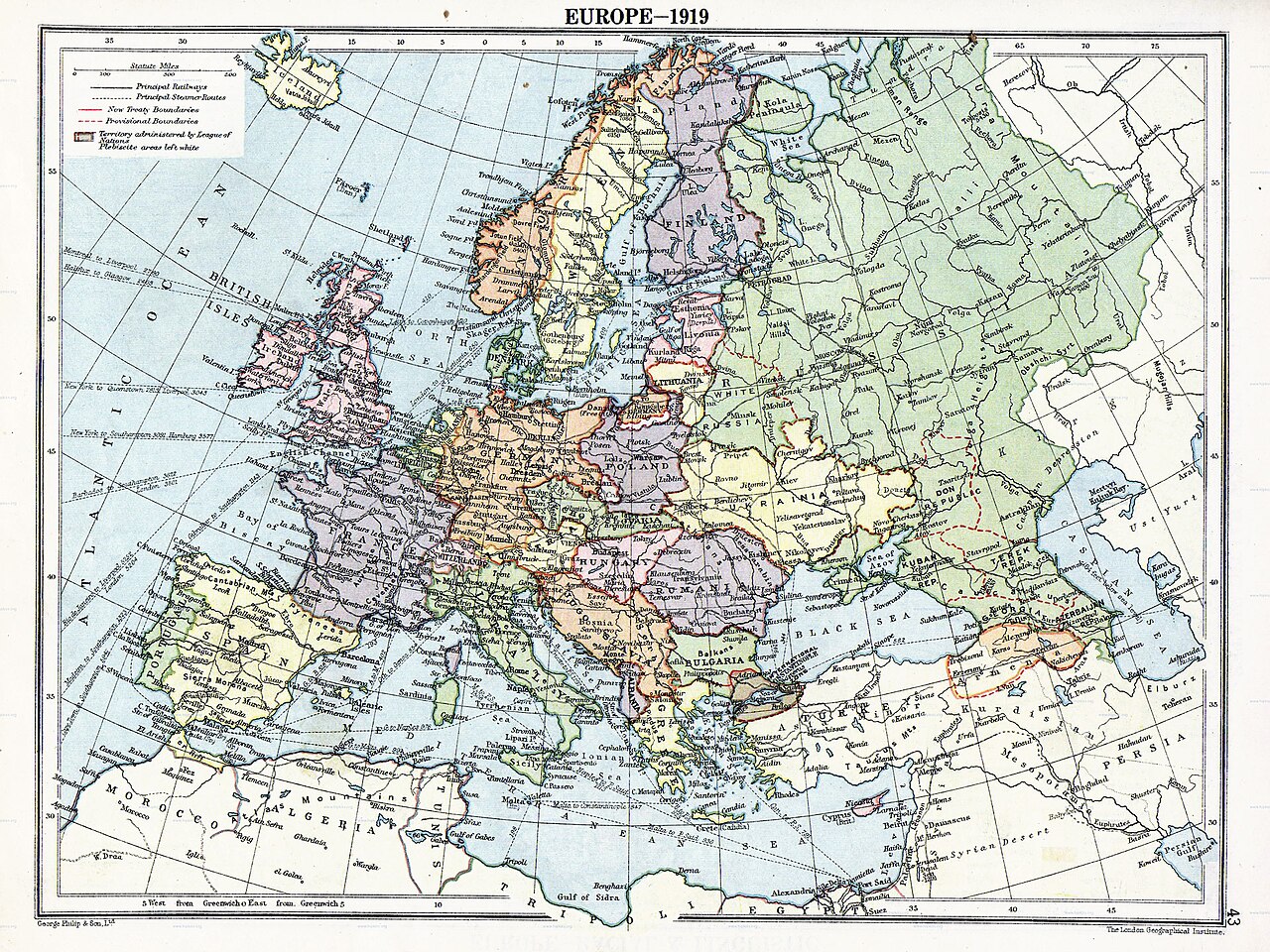
The Green Army was a loose name applied to peasant militia groups active in Ukraine during the upheavals of the Russian Civil War (roughly 1917–1922). Rather than a single, centralized army, the Greens were numerous small bands rooted in rural communities. Their presence reflected peasant resistance to military requisitioning, forced conscription, and outside political control at a time when many competing armies moved through the countryside.
Image gallery
4 Images


Characteristics and organization
- Locally organized: groups formed around villages or districts, led by local commanders and often lacking long-term central coordination.
- Guerrilla tactics: ambushes, raids and defensive actions to protect supplies and villages rather than conventional field battles.
- Flexible alliances: at times they fought against Bolsheviks (Reds), anti-Bolshevik White forces, nationalists, or requisitioning detachments, depending on local conditions.
- Social base: primarily smallholders and peasant communities seeking land security, local autonomy and relief from requisitions.
Political aims of Green bands varied. Many were primarily defensive and focused on immediate grievances — protecting harvests, resisting grain seizures, and preserving village self-rule. While some groups expressed broader demands for agrarian reform or local autonomy, most lacked a coherent national program and did not coalesce into a single political movement seeking recognized statehood.
Course and impact
During the civil war years the Greens occupied or controlled small rural areas intermittently. They rarely mounted sustained offensives against major armies, preferring to impede movements, harass supply lines, or expel detachments that threatened their communities. Their activity contributed to the general disorder of the period and complicated the efforts of both Bolshevik and anti-Bolshevik forces to secure food and manpower in the countryside.
As the Bolshevik government consolidated control by the early 1920s and the Soviet state apparatus extended into rural areas, many of the Green bands were disarmed, suppressed, absorbed into other forces, or simply dissolved. The formal establishment of the Soviet Union in 1922 marked the end of most independent peasant militias, although local resistance continued in fragmented forms for some time.
Distinctions and legacy
- Different from organized national armies: The Greens are distinct from Ukrainian nationalist armies or the well-defined White and Red forces in being decentralized and locally focused.
- Part of wider peasant unrest: Similar peasant insurgencies occurred across the former Russian Empire; the Ukrainian Greens were one regional manifestation of rural opposition to wartime requisitioning and state intervention.
- Long-term influence: Their resistance highlighted the centrality of agrarian issues to postwar policy and helped push Soviet authorities toward measures to stabilize rural relations in the 1920s.
For a concise overview of the phenomenon in the broader civil-war context, see further reading on peasant militias.
Related articles
Author
AlegsaOnline.com Green Army (Ukrainian peasant militias of the Russian Civil War) Leandro Alegsa
URL: https://en.alegsaonline.com/art/40656