
Ground fighting
Ground fighting is hand-to-hand combat conducted on the ground. It covers positions, submissions, transitions and escapes; practiced in sports, self‑defense and mixed martial arts.
Ground fighting is the phase of close combat that occurs with one or both participants on the ground. In many combat systems and martial arts it is called "ground work" or the "ground game." It emphasizes control, leverage, holds and submissions rather than strikes delivered while standing. Ground engagements involve sustained gripping, body positioning and strategic movement across a surface such as a mat or ring floor (ground).
Image gallery
10 Images
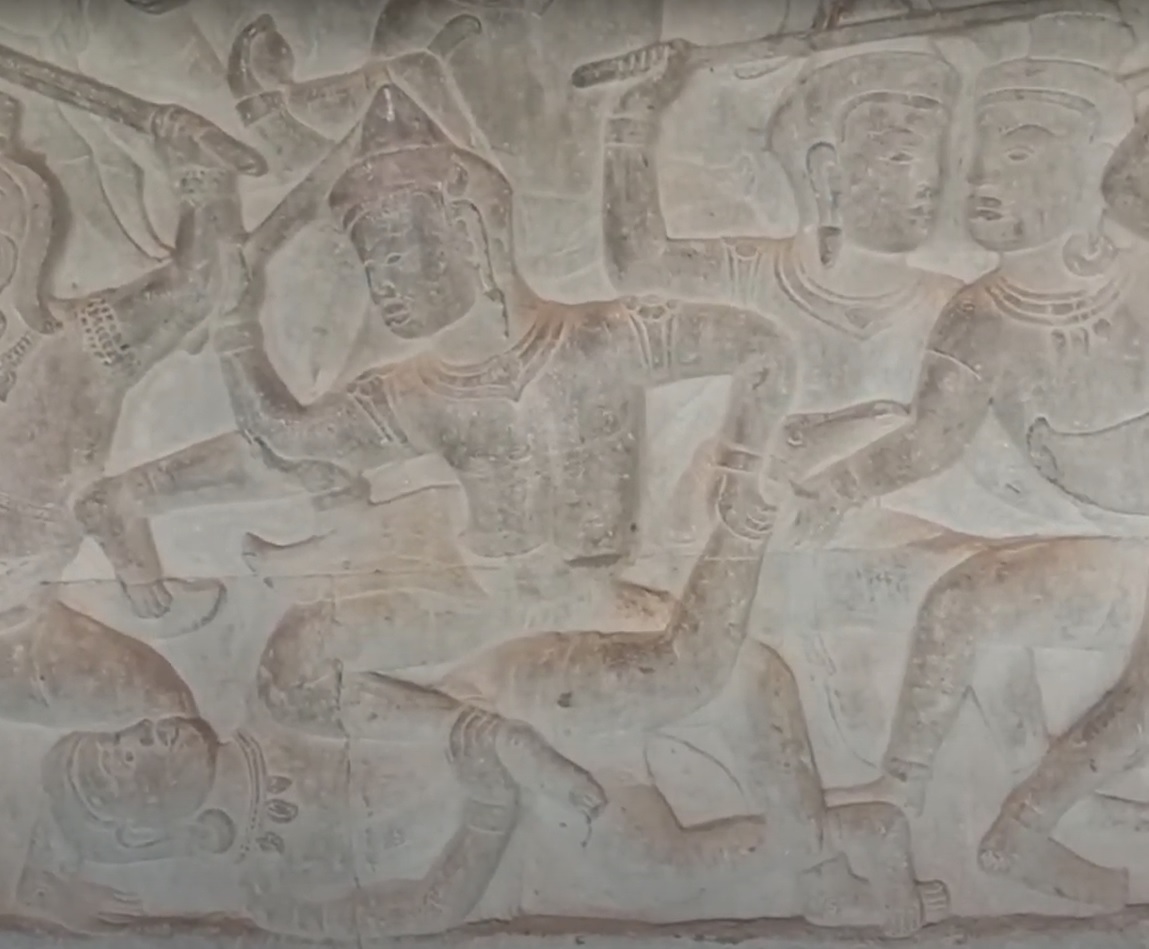


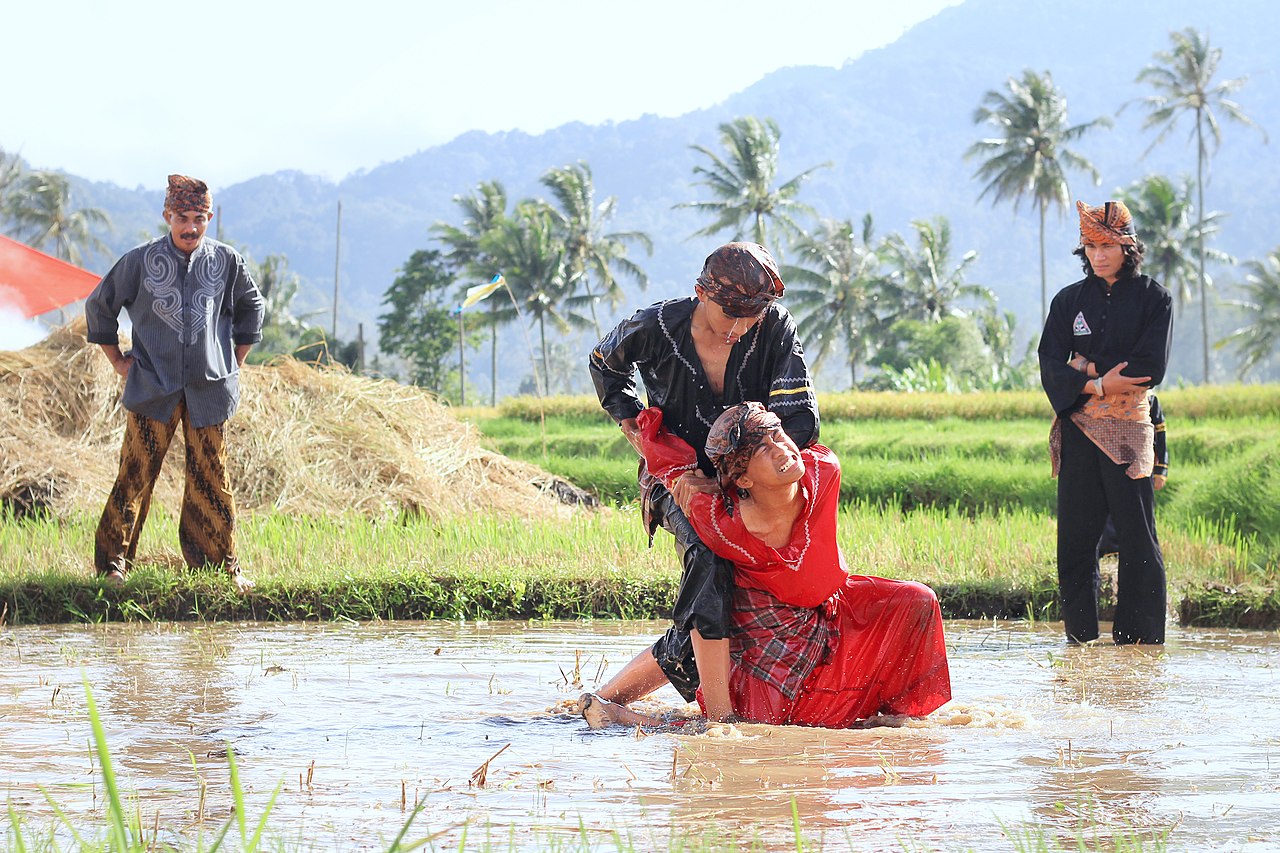

Core characteristics
Key elements include dominant positions (for example mount, side control and back control), defensive positions (guard and half-guard), transitional moves, joint locks and chokes. Practitioners work to achieve and maintain control, create openings for submissions, or execute escapes and reversals. Time spent close to an opponent changes the tactics: small adjustments in hips, frames and grips matter more than large strikes.
Common techniques and positions
- Guard: using the legs to control an opponent from the back or seated position.
- Mount and side control: top positions that allow pressure and submission setups.
- Back control: highly dominant position for chokes and controlling the opponent.
- Escapes and sweeps: methods to reverse a disadvantage into advantage.
Training often combines solo drills, partner drilling and live sparring. Safety equipment and rules vary between sport settings and self‑defense training; for instance, competition forbids certain dangerous techniques or provides time limits to protect participants.
History and development
Ground fighting is rooted in classical wrestling and grappling traditions and evolved through systems such as judo, catch wrestling, sambo and Brazilian jiu-jitsu. In the 20th and 21st centuries its techniques were refined through competitive environments and mixed martial arts, which highlighted the decisive role of ground control and submissions in real fights.
Uses and notable distinctions
Aside from competitive sport, ground fighting is taught for self-defense, law enforcement restraints and military combatives. It is distinct from stand-up striking arts because it prioritizes immobilization and submission. Understanding both standing and ground phases gives a more complete picture of hand-to-hand combat and practical self-protection.
Related articles
Author
AlegsaOnline.com Ground fighting Leandro Alegsa
URL: https://en.alegsaonline.com/art/41032