
Great North Eastern Railway (GNER)
Former British train operating company on the East Coast Main Line (1996–2007), owned by Sea Containers; ran high-speed intercity services between London and northern and Scottish cities.
Overview
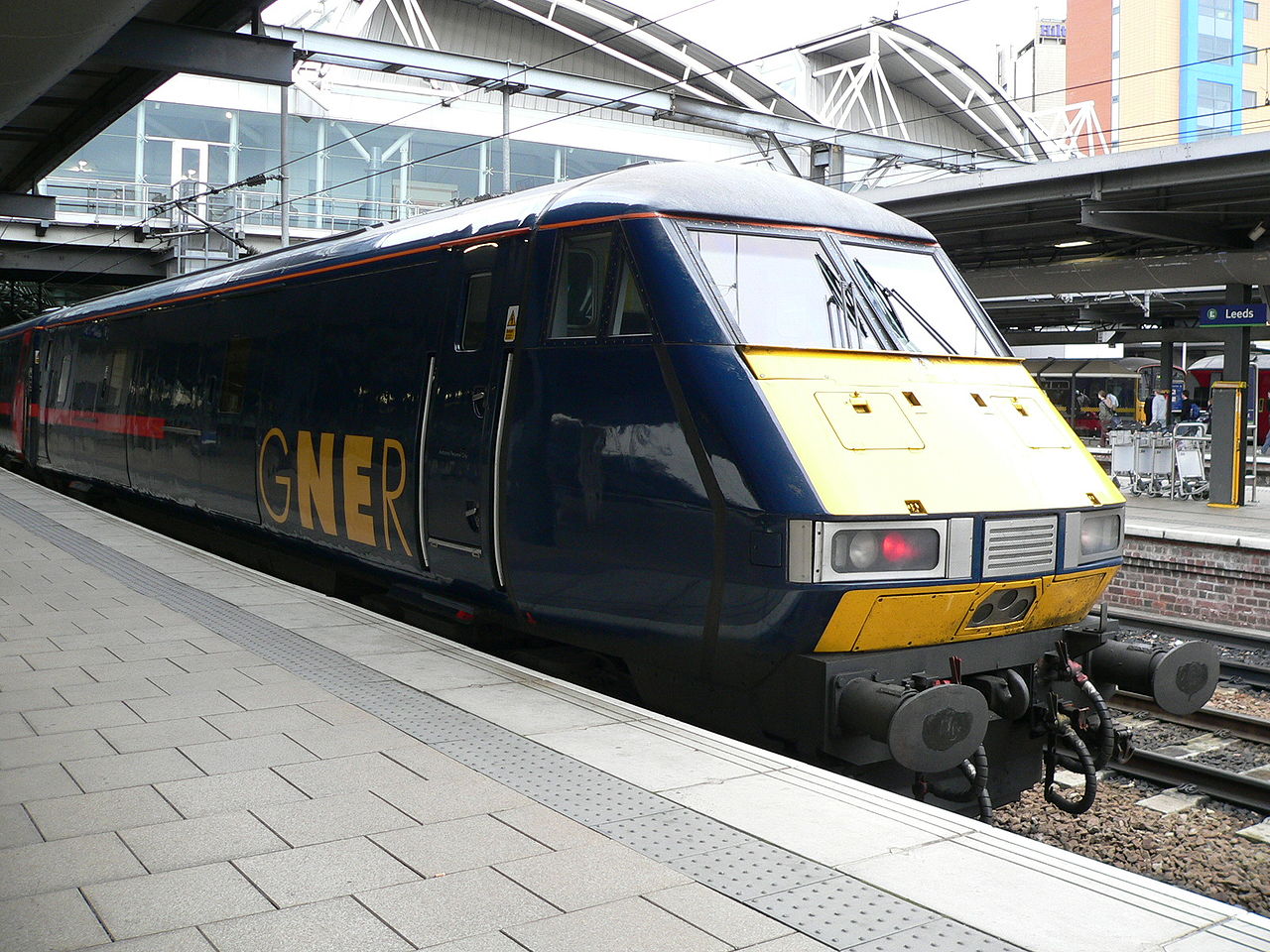
Great North Eastern Railway (commonly abbreviated GNER) was a British train operating company that provided long-distance intercity passenger services on the East Coast Main Line. Owned by the Sea Containers group, GNER ran high-speed express services from 1996 until the franchise changed hands on 9 December 2007. The company operated a recognizable branded service from London King's Cross to major cities in northern England and Scotland and promoted a premium on-board experience.
Image gallery
10 Images



History and corporate background
GNER was formed in the context of the 1990s rail privatization in Great Britain and won the East Coast franchise in 1996. As with other franchised operators, it ran services under contract to the government, with commercial aims to increase passenger numbers and revenues. Sea Containers invested in marketing and customer-facing improvements, while broader corporate finances influenced the long-term viability of the franchise. Details on the franchise framework and bidding process can be found in franchise information.
Services and routes
The core timetable concentrated on fast, limited-stop services between London King's Cross and principal destinations such as York, Leeds, Newcastle and Edinburgh, while also serving important intermediate towns. Service patterns varied by time of day and demand, offering both express and all-station services. GNER emphasised timetable clarity and frequency on the East Coast corridor; further operational material and passenger information were published through operator resources.
Rolling stock and on-board facilities
GNER operated both electric and diesel high-speed train formations appropriate to the route. The recognizable InterCity 225 formations (electric traction with Mark 4 coaches and driving trailers) and InterCity 125 High-Speed Trains were regular features of the fleet. On-board provision typically included first- and standard-class accommodation, catering outlets and refurbished interiors designed to raise comfort standards. For technical summaries and equipment histories see rolling stock guides.
Franchise bids and changes
The East Coast franchise has been subject to periodic re-tendering and varying commercial models. Like other franchise holders, GNER participated in competitive bidding rounds and periodic franchise reviews. Franchise awards and renewals reflected projected payments to government, service commitments and investment plans; these elements shaped how operators scheduled services and set fares.
Financial issues and takeover
During its tenure the parent company encountered commercial pressures that affected franchise performance and long-term strategy. By the late 2000s this situation contributed to a change of franchise holder. On 9 December 2007 the East Coast franchise was transferred to a successor operator; contemporary commentary on that transition is available via the successor operator.
Branding, customer experience and performance
GNER invested in visible branding, station presence and on-board services, seeking to position its trains as a higher-quality intercity option. Customer satisfaction and punctuality were recurring topics in public and regulatory discussion: operators were measured on reliability, cleanliness and value for money. The role of private operators in delivering consistent long-distance services along the East Coast is frequently assessed in transport policy reviews.
Legacy and significance
GNER's period of operation is often cited in studies of the UK rail franchising model, both for its approach to customer-facing services and for the commercial challenges associated with long-term contracts. The East Coast Main Line itself remains a key trunk route for passenger and freight movements; readers can consult general infrastructure references at the East Coast Main Line reference for broader context.
Key points
- Operational period: 1996–9 December 2007.
- Core network: East Coast Main Line linking London with northern England and Scotland.
- Primary rolling stock: InterCity 225 and InterCity 125 formations.
- Owned by Sea Containers; franchise later passed to another operator.
GNER remains a frequently referenced example in discussions about privatized rail franchising in the UK, illustrating both the potential for branded improvements in passenger experience and the commercial risks that can affect long-distance rail contracts.
Related articles
Author
AlegsaOnline.com Great North Eastern Railway (GNER) Leandro Alegsa
URL: https://en.alegsaonline.com/art/40523