
Alessandria, Piedmont: city overview and significance
Alessandria is a city in Italy's Piedmont region, capital of its province. Founded in the 12th century, it is an agricultural and industrial hub known for its fortress, transport links, and nearby wine-producing hills.
Overview
Alessandria is an Italian city in the region of Piedmont and serves as the administrative centre of the province of Alessandria. The city has a population of roughly 94,000 inhabitants (about 94,280 by some counts) and functions as a local hub for commerce, services and light industry within the plain between several river valleys.
Image gallery
10 Images


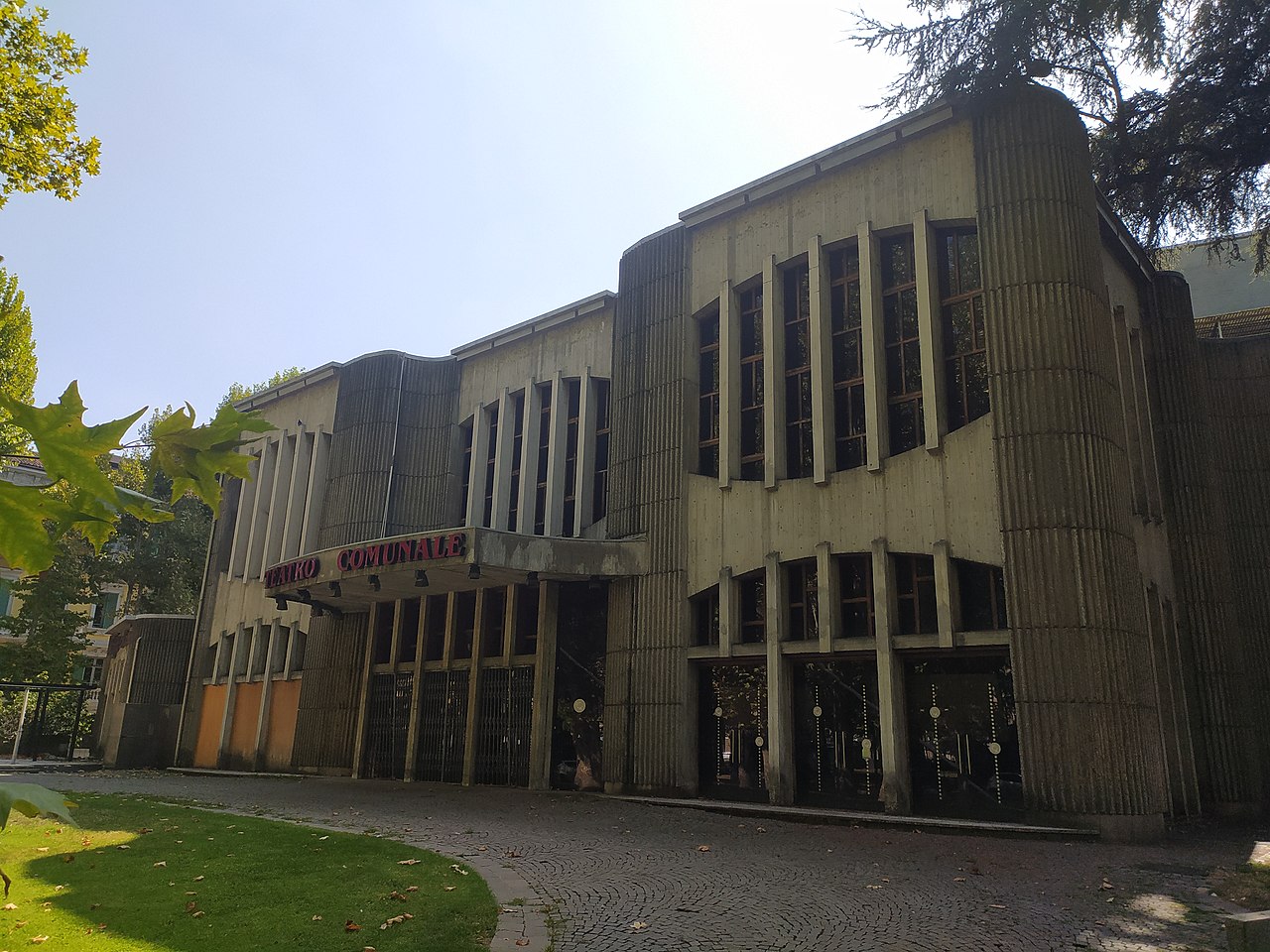


Origins and history
Alessandria traces its origins to the High Middle Ages. It was established as a free commune in the 12th century and its name is traditionally linked to Pope Alexander III. Over the centuries the town played strategic and military roles in regional conflicts and later developed as an administrative and market centre within Piedmont.
Geography and economy
Situated in the fertile Po Valley, Alessandria lies near the confluence of small rivers and is surrounded by agricultural land and the rolling hills of Monferrato, known for vineyards. The local economy combines agriculture (including wine production in surrounding areas), manufacturing, and services. Markets, small factories and logistics businesses contribute to its regional role.
Culture, landmarks and notable features
The city is known for its military architecture, notably a large citadel and historical fortifications that reflect its strategic past. Alessandria also hosts museums, civic buildings and religious sites typical of northern Italian towns. Local festivals and culinary traditions draw on Piedmontese cuisine and the wines of the nearby hills.
Transport and significance
Alessandria occupies an important transport position between Turin and the Ligurian coast: rail and road links have long made it a junction for regional movement of people and goods. Its location has reinforced its role as a commercial and logistical centre in southeastern Piedmont.
Further information
For official details about services, administration and events in the city, see the municipal site: Alessandria municipal information.
Tags
Related articles
Author
AlegsaOnline.com Alessandria, Piedmont: city overview and significance Leandro Alegsa
URL: https://en.alegsaonline.com/art/2298