
Tourist attraction — definition, types, history and significance
An accessible place or event that draws visitors for its cultural, natural, historic, recreational or aesthetic value; includes types, impacts, management and notable distinctions.
A tourist attraction is any site, structure, landscape, event or activity that draws visitors because of its culture, history, natural beauty, entertainment value or distinctive character. Attractions range from single features such as a waterfall, monument or museum to complex sites like an archaeological park or theme park. They can be public or private, permanent or temporary, and are often interpreted through signage, guides and programming.
Image gallery
10 Images



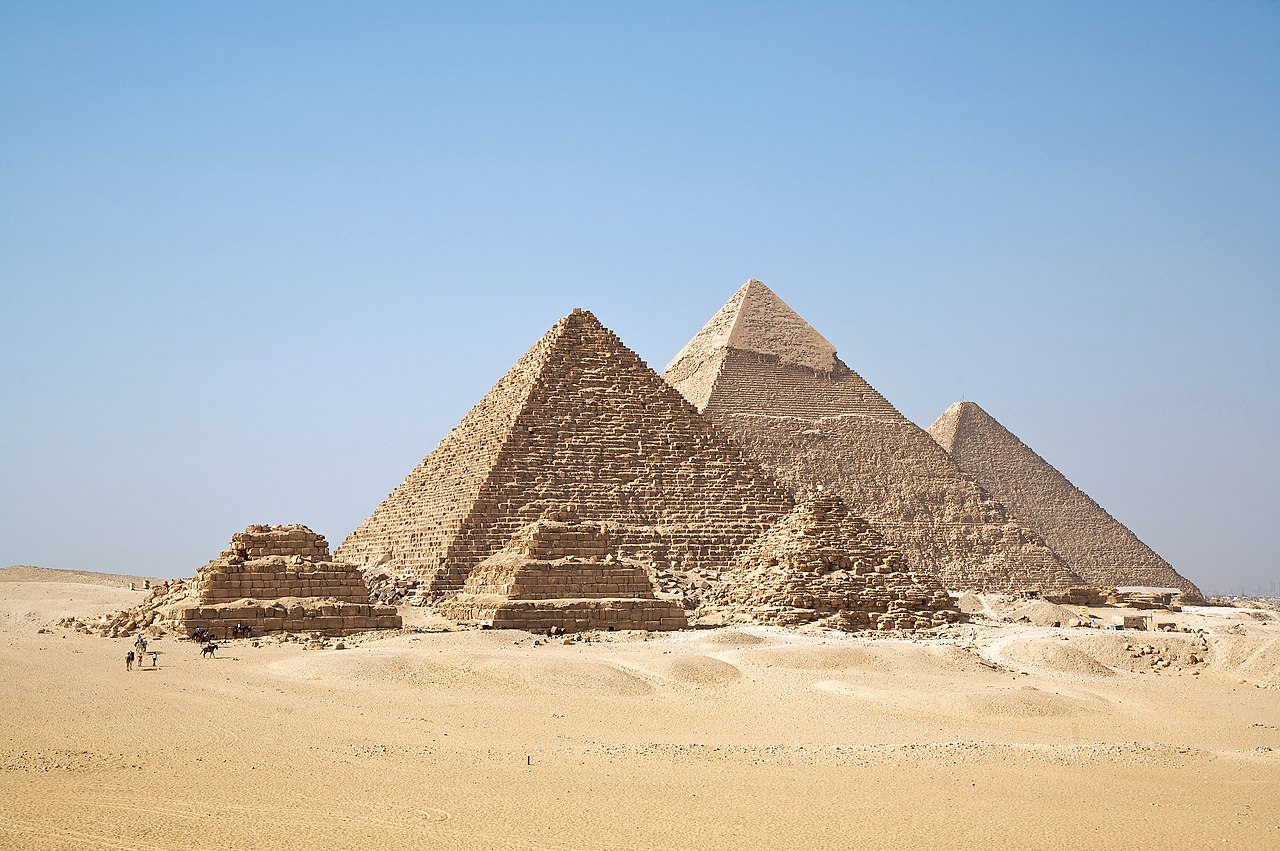





Characteristics and common features
Most attractions share a few practical traits: they are accessible, have some degree of safety and facilities, and provide an experience perceived as worthwhile by visitors. Key qualities include authenticity (or perceived authenticity), interpretive information, repeatability, and a clear sense of place. Visitor services such as parking, restrooms and ticketing influence an attraction's popularity and sustainability.
Typical types of attractions include:
- Natural: mountains, coasts, parks and scenic viewpoints.
- Cultural and historical: museums, heritage sites, buildings and monuments.
- Built recreational: theme parks, aquariums and zoos.
- Events and festivals: seasonal or one-off gatherings that draw crowds.
For practical planning and promotion, attractions are often linked with wider destinations or travel routes. Tourist information services and online listings help visitors discover and evaluate attractions; for example, see local visitor resources.
Historically, many attractions developed as a result of improved transport and leisure time: grand tours, rail travel and later mass tourism expanded visitation. Over time, growing visitor numbers prompted conservation, interpretation and the creation of professional destination management to balance access with preservation.
Attractions have economic, social and environmental impacts. They create jobs and revenue, support local identity and education, but can also generate crowding, habitat disturbance and cultural commodification if unmanaged. Sustainable management emphasizes carrying capacity, community benefits, and conservation. Distinctions to note: a landmark is a recognizable feature, a site may have legal or historic status, and a destination is the broader place that contains one or more attractions.
Related articles
Author
AlegsaOnline.com Tourist attraction — definition, types, history and significance Leandro Alegsa
URL: https://en.alegsaonline.com/art/100887