
Grand Ole Opry
Long-running weekly country music stage show and radio program from Nashville, known for its historic venue, roster of stars and the tradition of Opry membership.
The Grand Ole Opry is a weekly stage show and radio program that has served as a central showcase for country music and its performers. Originating as a live radio variety program, it developed into a cultural institution associated with Nashville and the commercial growth of American country genres. The Opry combines performances by established stars, newer artists, and specialty acts in a format that emphasizes both tradition and discovery.
Image gallery
10 Images




History and venues
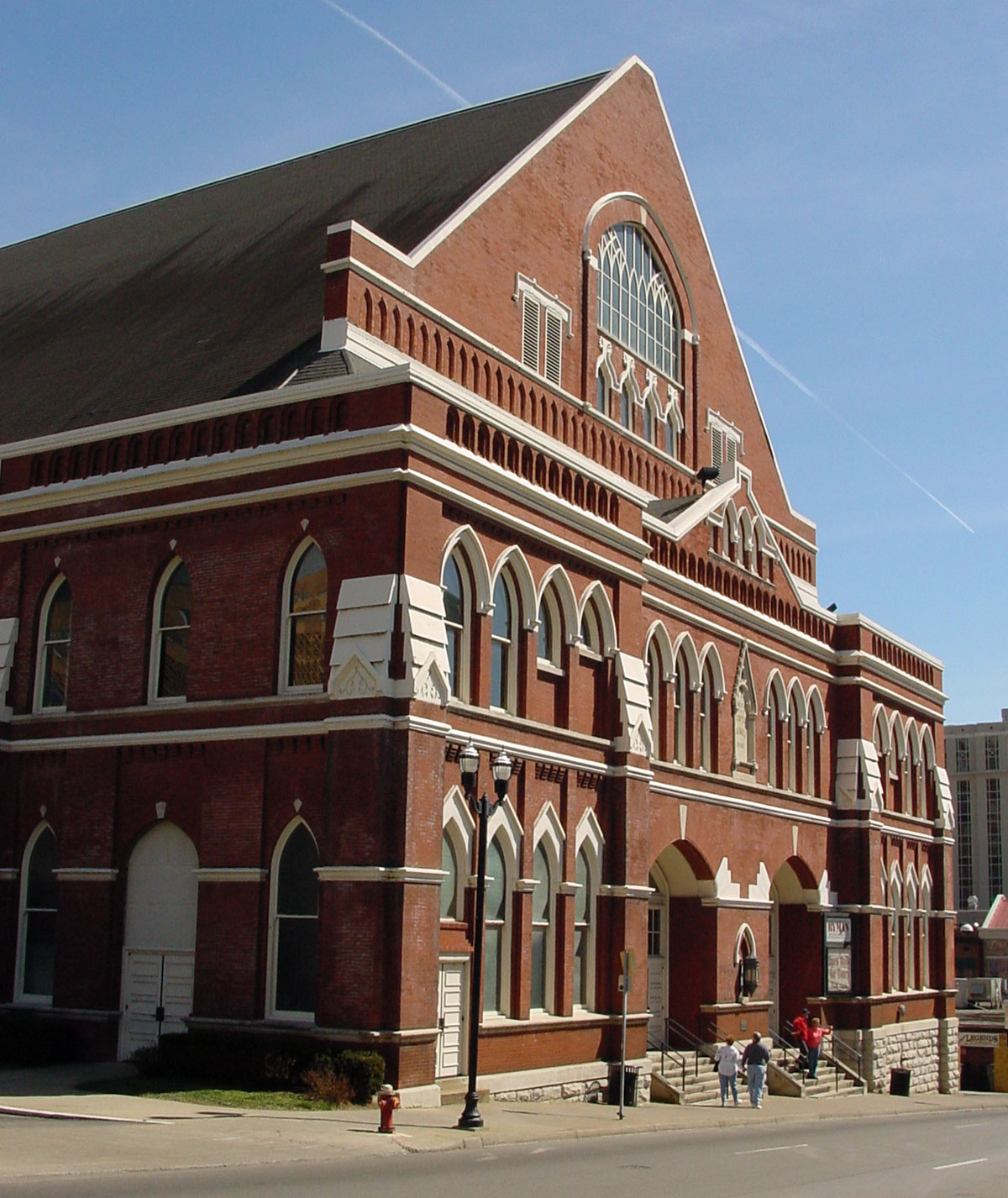
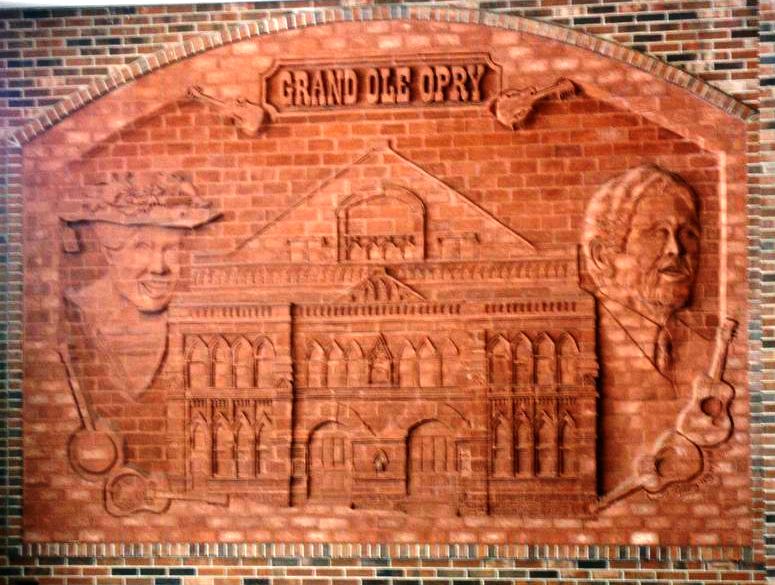
The Opry began in the 1920s as a barn-dance–style broadcast and grew rapidly into a national phenomenon. Broadcasters and promoters nurtured the program through radio and later television, creating a continuity of live performance that is notable in American entertainment. For many years the show was closely identified with the Ryman Auditorium before operations moved to the purpose-built Grand Ole Opry House in Nashville. That sequence of venues helped preserve its association with both grassroots country traditions and a larger, growing audience.
Format, broadcasts and membership
Each Opry program typically features a rotating roster of acts, from bluegrass and honky-tonk to contemporary country and crossover performers. Shows air on radio and are sometimes recorded or televised; the broadcast element has been a defining feature since the program's earliest days. The organization also maintains a system of Opry membership: selecting and honoring performers whose ongoing presence contributes to the Opry's identity. Information on events and the concert schedule is regularly published to help visitors and listeners find shows.
Notable performers and influence
A broad range of artists have been associated with the Opry. Legendary figures and modern stars alike have appeared on its stage, and several performers became synonymous with the venue through repeated appearances over many years. For example, country icons have maintained long relationships with the Opry, and contemporary winners of mainstream competitions have often made the Opry part of their careers. The program's role in promoting artists, shaping tastes, and supporting a music economy in Nashville is widely recognized.
- Live tradition: Emphasis on short sets and a steady parade of performers keeps the show dynamic.
- Historic broadcasts: Longstanding radio transmission helped build a national audience.
- Recognition: Membership and special presentations act as honors within the country music community; the Opry also hosts award presentations and milestone celebrations related to artists.
- Tourism and culture: The venue and its schedule attract visitors, scholars, and fans interested in the genre’s history and contemporary practice details.
The Grand Ole Opry remains a living institution that connects past and present performers while serving as a focal point for country music fans worldwide. Its combination of live concerts, broadcast heritage and an evolving roster of artists continues to make it a unique fixture in American musical life.
Related articles
Author
AlegsaOnline.com Grand Ole Opry Leandro Alegsa
URL: https://en.alegsaonline.com/art/40208