
Govindapala — late Pala ruler and contested successor
Govindapala is identified in some sources as the successor of Madanapala and is often regarded as the last ruler associated with the Pala dynasty of Bengal, though evidence and interpretation remain debated.
Overview
Govindapala is named in a small number of inscriptions and coin finds as a ruler in the historical region of Bengal who followed Madanapala. Many modern accounts describe him as the final figure linked to the Pala dynasty that once dominated much of eastern India. Because surviving records are limited, statements about his reign are cautious and often framed as probable rather than certain.
Image gallery
3 Images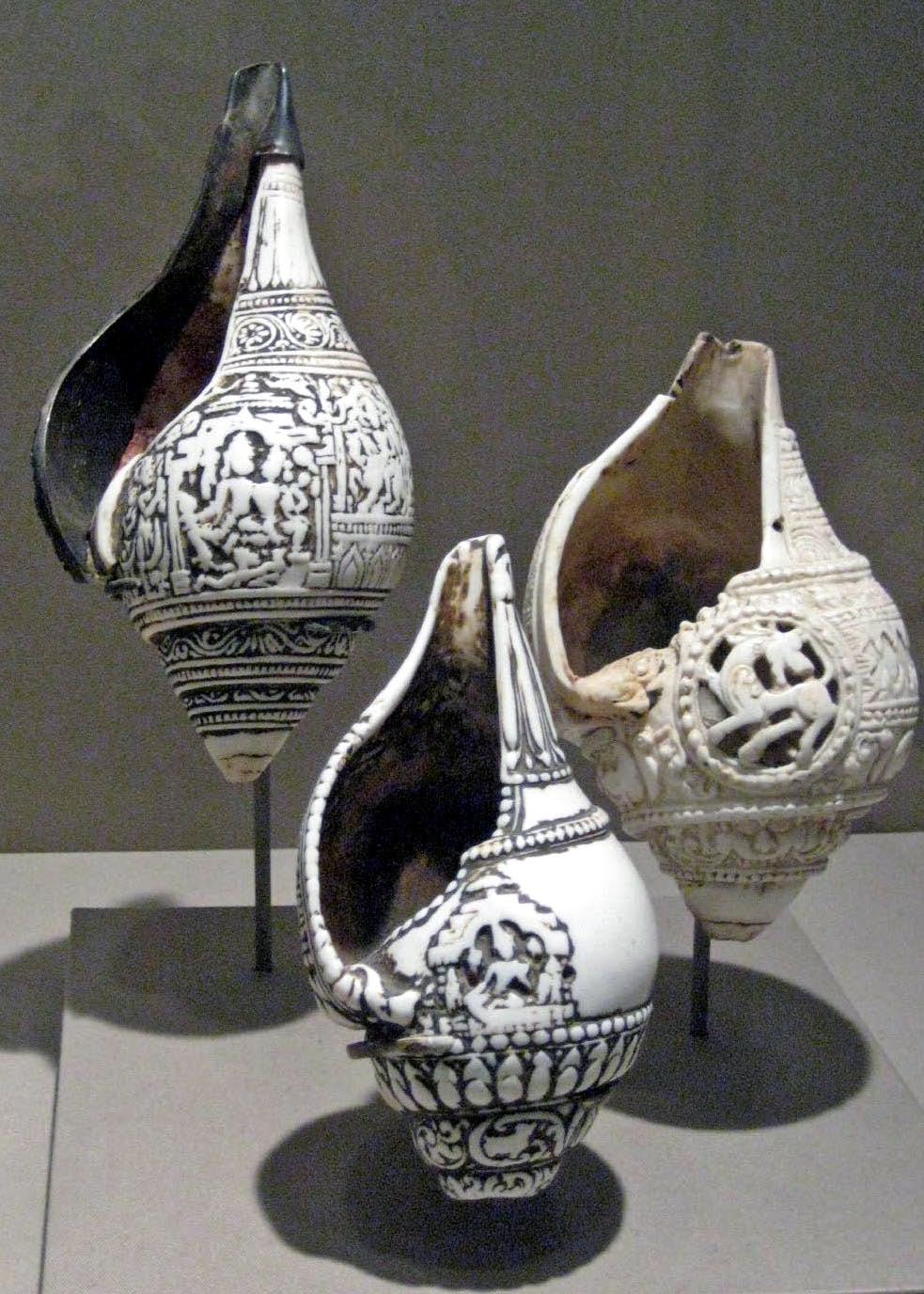

Historical context
The Pala line rose to prominence in the early medieval period and produced several powerful rulers. By the time of Madanapala, central authority had weakened amid internal dynastic strains and external pressures from rising rivals such as the Sena family. Govindapala is placed in this late phase when regional fragmentation and the end of classical Pala power were underway.
Evidence and sources
Knowledge of Govindapala derives chiefly from fragmentary inscriptions, a few coins, and later chronicles. Because these materials are sparse, historians reconstruct his status and chronology cautiously. Some readings treat him as a direct successor of Madanapala, while others see him as a local potentate who assumed the Pala name or claimed descent to bolster legitimacy. For broader context on the dynasty he is linked to, see Pala Empire.
Significance and legacy
Whether a direct heir or a regional claimant, Govindapala is important as a symbol of the transition from unified Pala rule to a more fragmented political landscape in Bengal. His reign is often taken to mark the practical end of long-standing Pala dominance and the emergence of successor powers that reshaped the region's political map.
Scholarly debates and notable facts
- Succession: Debate continues over whether he was a dynastic descendant or an opportunistic successor.
- Sources: Reliance on limited epigraphic and numismatic evidence makes firm conclusions difficult.
- Historical role: Frequently described as the last ruler associated with the Pala name, reflecting the dynasty's fading authority.
Because Govindapala occupies a marginal and poorly documented position in South Asian history, most treatment in modern scholarship emphasizes interpretation of fragmentary evidence and the wider process of political change during the late Pala period.
Related articles
Author
AlegsaOnline.com Govindapala — late Pala ruler and contested successor Leandro Alegsa
URL: https://en.alegsaonline.com/art/40018
Sources
- en.banglapedia.org : "Pala Dynasty"