
Governor of Tennessee
The Governor of Tennessee is the state's chief executive, responsible for enforcing laws, directing the executive branch, commanding the National Guard, and shaping public policy through appointments and legislation.
The Governor of Tennessee is the state's principal executive officer and head of the executive branch. Elected by popular vote, the governor is charged with enforcing state laws, proposing and administering budgets, and representing Tennessee in official and ceremonial functions. The office combines administrative, legislative, and emergency responsibilities and is central to state government operations.
Image gallery
10 Images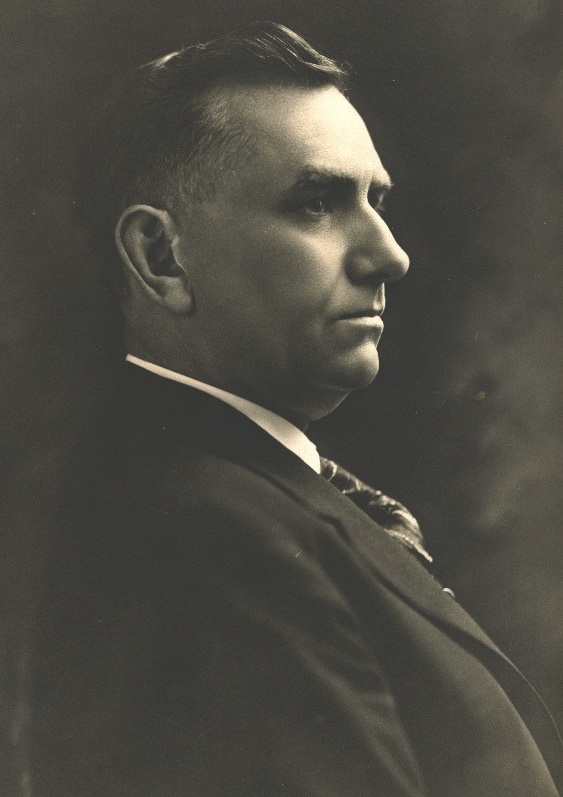


Role and powers
The governor exercises several core powers: signing or vetoing bills passed by the legislature, preparing the biennial budget and recommending policy priorities, appointing heads of executive departments and many board and commission members, and granting pardons and reprieves in individual cases. In times of crisis the governor can call special legislative sessions, issue emergency orders, and coordinate disaster response. The governor also serves as commander-in-chief of the state's National Guard units when they are not federalized and oversees state law enforcement priorities.
Office structure and succession
The governor works with a large executive staff and multiple state agencies to implement policy. A lieutenant governor or an equivalent presiding officer in the state senate is typically next in the line of succession; provisions for succession and temporary disability are established by the state constitution and law. The governor’s official residence is in the state capital, and the office maintains a public schedule and communications staff to interact with citizens and the press.
History and notable facts
The office was established when Tennessee joined the Union in the 1790s, and it has evolved as the state's population and economy have grown. Holders of the position have come from diverse backgrounds, including law, business, and public service. Modern governors shape long-term policy through executive action, appointments, and collaboration with the legislature.
Contemporary example
As an example of recent leadership, Bill Lee took office in January 2019. Governors often work closely with the legislature, departments, and local governments to address education, healthcare, infrastructure, and economic development. For more information about the governor’s duties, legal authority, and current initiatives, consult official state resources such as the office’s website and the state constitution.
- chief executive role and responsibilities
- Relationship with the state of Tennessee government
- Functions as commander-in-chief of state forces (army and navy/militia in historical context)
- Political affiliation example: Republican
- General information resources: Tennessee state government portals
For primary documentation and current policy statements, visit official publications and the governor’s press releases or contact state offices directly.
Questions and answers
Q: Who is the Governor of Tennessee?
A: The Governor of Tennessee is Bill Lee.
Q: What is the role of the Governor of Tennessee?
A: The Governor of Tennessee is the chief executive of the U.S. state of Tennessee and the head of the executive branch of Tennessee's state government. The governor is also the commander-in-chief of the state's army and navy and the state militia, and his job is to see that the state laws are obeyed.
Q: When did Bill Lee become the Governor of Tennessee?
A: Bill Lee became the Governor of Tennessee on January 19, 2019.
Q: What is the political affiliation of Bill Lee?
A: Bill Lee is a Republican businessman.
Q: What are some of the duties of the Governor of Tennessee?
A: Some of the duties of the Governor of Tennessee include overseeing the state's executive branch, serving as the commander-in-chief of the state's army and navy, leading the state's militia, and ensuring that state laws are observed.
Q: How does the Governor of Tennessee ensure that state laws are obeyed?
A: The Governor of Tennessee ensures that state laws are obeyed by overseeing the state's executive branch and using his authority as the head of the executive branch to enforce state laws.
Q: Who does the Governor of Tennessee command as the commander-in-chief of the state's army and navy and militia?
A: As the commander-in-chief of the state's army and navy and militia, the Governor of Tennessee commands members of the Tennessee National Guard and other military forces that are deployed within the state.
Related articles
Author
AlegsaOnline.com Governor of Tennessee Leandro Alegsa
URL: https://en.alegsaonline.com/art/40004
Sources
- knowledgecenter.csg.org : "CSG Releases 2013 Governor Salaries"
- tennesseeencyclopedia.net : "Tennessee Governor's Office"
- tennessean.com : "Gov. Bill Haslam Uses First Veto on Vanderbilt's 'All-Comers' Bill"