
Governor of Victoria
The Governor of Victoria is the monarch's representative in the Australian state of Victoria, performing constitutional, ceremonial and community duties at state level and acting on ministerial advice.
Overview
The Governor of Victoria is the vice-regal representative of the monarch in the Australian state of Victoria. The office combines constitutional responsibilities with ceremonial and community roles. In constitutional practice the Governor performs duties analogous to those carried out by the Governor-General of Australia at the national level, but within the jurisdiction of the state.
Image gallery
10 Images



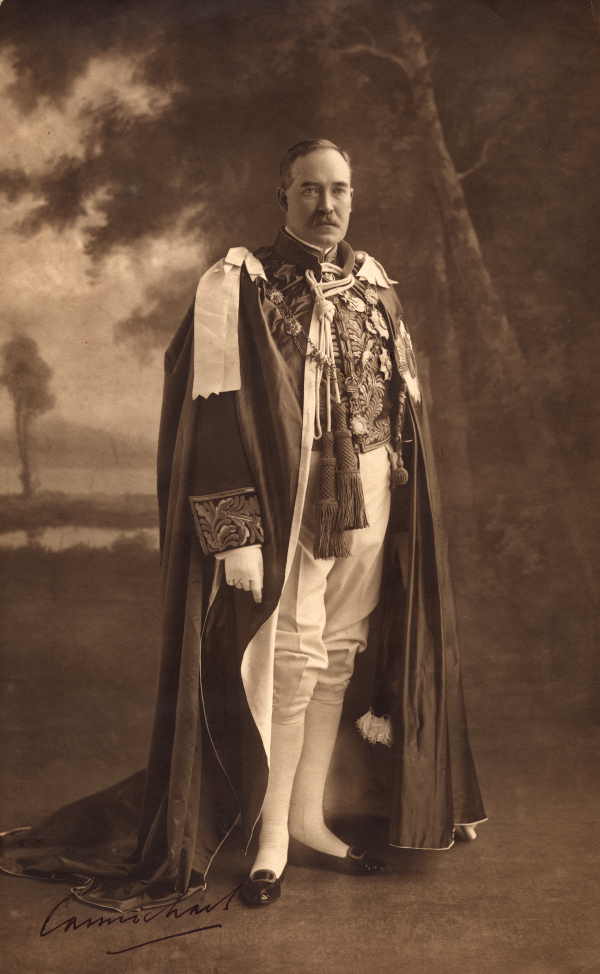

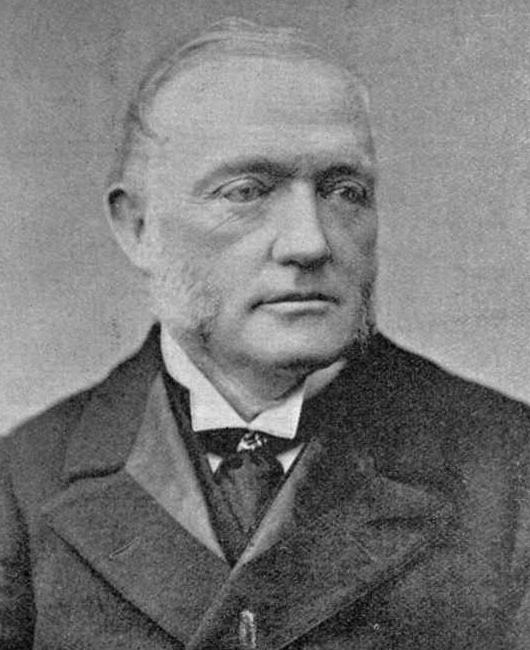
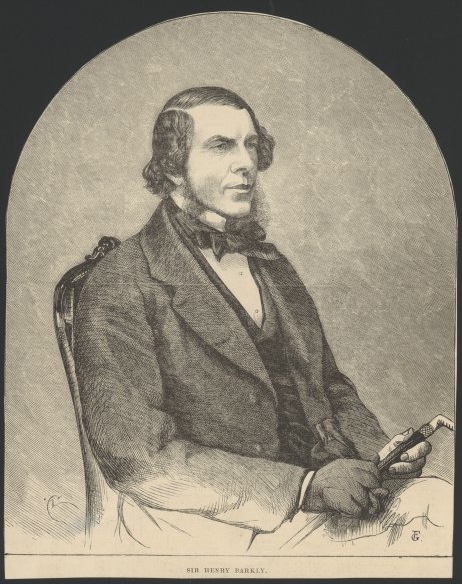
Role and powers
Key functions of the Governor include giving Royal Assent to bills passed by the Parliament of Victoria, summoning and proroguing Parliament, commissioning the Premier and ministers, and signing formal proclamations. While most actions are taken on the advice of the elected government, the Governor retains reserve powers that may be used in exceptional constitutional circumstances.
Appointment and conventions
By long-standing convention the Governor is appointed by the monarch on the advice of the state Premier. The position is non-partisan: governors are expected to act above party politics and to protect constitutional processes. The office draws on unwritten conventions of responsible government and on written provisions in Victoria’s constitutional instruments.
Residence, insignia and official seat
The official residence and principal workplace of the Governor is Government House in central Melbourne. The governor has an official standard and other symbols that mark the office on formal occasions. Ceremonial duties include presiding over investitures, attending commemorations, and hosting visiting dignitaries.
History and development
The office traces its origins to the colonial governors who administered what became Victoria in the 19th century. After Australian federation in 1901 the role continued as the state-level representative of the Crown, adapting to the federation of powers and the emergence of modern parliamentary government. Over time the office evolved from an executive colonial post to a constitutional, largely ceremonial role linked to democratic institutions.
Notable officeholders and public importance
Governors have included former judges, senior public servants, and distinguished community leaders. Notable recent officeholders include Linda Dessau, who served following a career as a former judge. The Governor’s work in community engagement, patronage of charities and representation of the state complements their constitutional duties and makes the office a visible bridge between the Crown and the people of Victoria.
Questions and answers
Q: Who is the current Governor of Victoria?
A: The current Governor of Victoria is Linda Dessau, a former judge.
Q: What tasks does the Governor of Victoria perform?
A: The Governor of Victoria performs the same tasks at the state level as the Governor-General of Australia at the national level.
Q: Who does the Governor of Victoria represent?
A: The Governor of Victoria represents Elizabeth II, who is head of state in Australia.
Q: Where is Government House located?
A: Government House, which is the official residence and office for the Governor of Victoria, is located in central Melbourne.
Q: What type of role did Linda Dessau have before becoming governor?
A: Before becoming governor, Linda Dessau was a judge.
Q: Does every Australian state have its own governor?
A: Yes, each Australian state has its own governor to represent their head of state at a local level.
Related articles
Author
AlegsaOnline.com Governor of Victoria Leandro Alegsa
URL: https://en.alegsaonline.com/art/40007
Sources
- federationpress.com.au : The chameleon Crown: The Queen and her Australian governors