
Gorilla Grodd — DC Comics supervillain and foe of the Flash
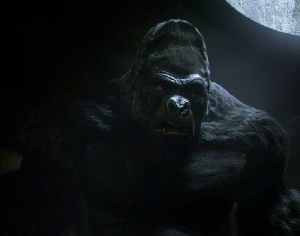
Gorilla Grodd is a telepathic, super-intelligent gorilla from DC Comics and a recurring enemy of the Flash. Debuting in 1959, he hails from Gorilla City and appears in comics, animation, and live-action adaptations.
Gorilla Grodd is a recurring fictional supervillain appearing in American comic books published by DC Comics. He first appeared in The Flash #106 (May 1959) and was created by John Broome and Carmine Infantino. Grodd is most often presented as an arch-enemy of the Flash, combining great physical strength with advanced psychic abilities and a calculating intellect.
Image gallery
3 Images

Characteristics and powers
Grodd is depicted as a hyperintelligent gorilla with a range of psionic powers. Common abilities attributed to him include telepathy, mind control, telekinesis and mental shielding, together with the physical attributes of a large primate: enhanced strength, resilience and agility. He frequently employs sophisticated technology—either developed in or recovered from his hidden homeland—to further his goals, making him a threat that operates on both cerebral and physical levels.
Origin and Gorilla City
Early Silver Age stories explained Grodd's powers as the result of exposure to a meteorite; later writers expanded his background to situate him within Gorilla City, a secluded and technologically advanced society of uplifted gorillas. Depending on the creative team, Grodd has been portrayed as a tyrant, revolutionary exile or strategic mastermind. The politics and culture of Gorilla City are recurrent themes used to explore his motives and to frame conflicts between primate society and humanity.
Notable appearances and adaptations
Beyond comic-book storylines in which he often seeks domination or revenge, Grodd has been adapted into animated series, video games and live-action television, introducing him to wider audiences. These adaptations emphasize different facets of the character—his menace, his intelligence, or his tragic isolation—and keep him present in popular-media portrayals of supervillainy. Critical coverage and encyclopedic lists have noted his place among prominent comic-book antagonists; for example, IGN ranked him among the top comic-book villains.
Interpretation and legacy
Writers and artists use Grodd to explore recurring themes: the nature of intelligence, the ethics of power, and collisions between instinct and reason. His combination of psychic influence and brute force makes him a distinct counterpoint to speed-based heroes, forcing fights that are as much about will and strategy as they are about physical confrontation. He endures as a memorable figure in superhero fiction because he can be written in many tones—monstrous conqueror, calculating tactician, or a figure shaped by the burdens of leadership.
Further reading and resources
- Classic comic appearances: consult early issues of The Flash for Silver Age stories featuring Grodd.
- Publisher context and character histories: reference works covering DC Comics provide publication background.
- Character analyses and rankings: articles and retrospectives, including pieces by IGN, discuss Grodd's influence and adaptations.
- Broader themes about primates in fiction can be explored through resources on gorillas and anthropomorphism in popular culture.
- General overviews of comic-book villains and media appearances are available from fan and reference sites on comic books and related media outlets.
For readers seeking an introduction to the character, animated episodes and televised adaptations are often the most accessible entry points. Grodd remains a compelling and flexible antagonist within the DC universe: simultaneously a personal nemesis for certain heroes and a symbol for broader narrative questions about power, intelligence and identity.
Related articles
Author
AlegsaOnline.com Gorilla Grodd — DC Comics supervillain and foe of the Flash Leandro Alegsa
URL: https://en.alegsaonline.com/art/39783
Sources
- worldcat.org : 213309017