
Golden Mountains of Altai — UNESCO World Heritage site in Siberia
A UNESCO World Heritage area in Russian Siberia that combines high mountains, steppe and taiga, rich altitudinal vegetation, rare wildlife and archaeological landscapes including Lake Teletskoye and the Ukok Plateau.
Overview
The Golden Mountains of Altai is a transmontane World Heritage ensemble in Russian Siberia that protects a broad range of mountain and highland environments. The inscribed property covers a large area of protected land, grouping the Altai and Katun nature reserves with key natural features such as Lake Teletskoye, Belukha Mountain and the Ukok Plateau. The site lies within Siberia in Russia and was recognized for presenting a near-complete sequence of altitudinal vegetation zones in the region by UNESCO.

Image gallery
8 Images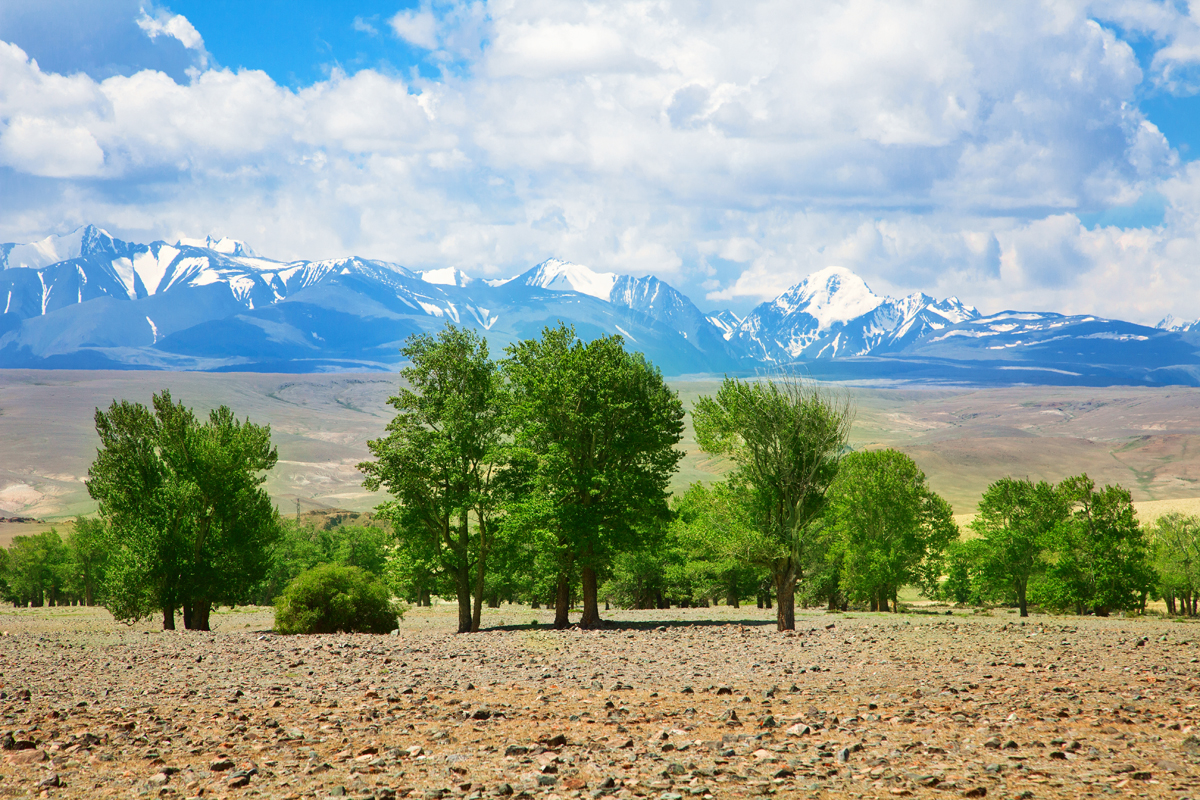


Landscape and ecological characteristics
The area combines steep alpine ranges, glaciers and snowfields, subalpine meadows, extensive taiga forests and open montane steppe. These stacked environments produce distinct belts of vegetation from valley bottoms to high peaks, with dramatic changes over short distances. The highest peaks and glaciated cirques are focal points for hydrology: many rivers originate in the Altai and feed larger Siberian river systems. Belukha is the region's most prominent summit and is considered spiritually important in local traditions.
Wildlife and conservation
The Golden Mountains support a range of large mammals and predators and are important for both global biodiversity and regional conservation efforts. The property helps protect populations of endangered species alongside more common large fauna. Notable inhabitants include the snow leopard, sizable brown bears, wolverines and soaring golden eagles. These species depend on extensive, relatively undisturbed habitats and the network of reserves and buffer zones aims to reduce threats from poaching, habitat fragmentation and unregulated development.
Cultural and scientific importance
Beyond natural values, parts of the property — particularly the Ukok Plateau — contain archaeological landscapes with ancient burial mounds and traces of past human cultural activity. Researchers study those sites for insights into early highland pastoralism, funerary practices and long-distance connections across Eurasia. The region also attracts botanists and climatologists interested in altitudinal vegetation patterns and mountain cryosphere processes.
Management, access and threats
Declared as protected reserves and managed under national and regional frameworks, the Golden Mountains are subject to conservation planning that balances strict protection with regulated tourism and scientific access. The property was inscribed on the World Heritage List in the late 20th century and remains sensitive to threats such as climate change impacts on glaciers, infrastructure proposals, mining pressure and poorly managed recreational use. Local communities and conservation organizations continue to work on monitoring and sustainable use strategies to preserve both natural and cultural values.

- Key components: Altai and Katun reserves, Lake Teletskoye, Ukok Plateau, Belukha Mountain.
- Main values: altitudinal vegetation sequence, large mammal habitats, archaeological sites.
- Conservation measures: protected-area management, research programs, controlled ecotourism.
Related articles
Author
AlegsaOnline.com Golden Mountains of Altai — UNESCO World Heritage site in Siberia Leandro Alegsa
URL: https://en.alegsaonline.com/art/39503
Sources
- whc.unesco.org : "Golden Mountains of Altai"