
Great Fire of Meireki (Edo, 1657)
A catastrophic urban fire in March 1657 that destroyed much of Edo (modern Tokyo), caused large loss of life, and prompted major rebuilding and fire-prevention reforms under the Tokugawa shogunate.
Overview
The Great Fire of Meireki (明暦の大火) was a catastrophic blaze that swept through Edo in March 1657, during the Tokugawa period. At the time Edo was the seat of the shogunate and would later become Tokyo. The fire destroyed more than half of the city and left large parts of the urban population homeless.
Image gallery
4 Images


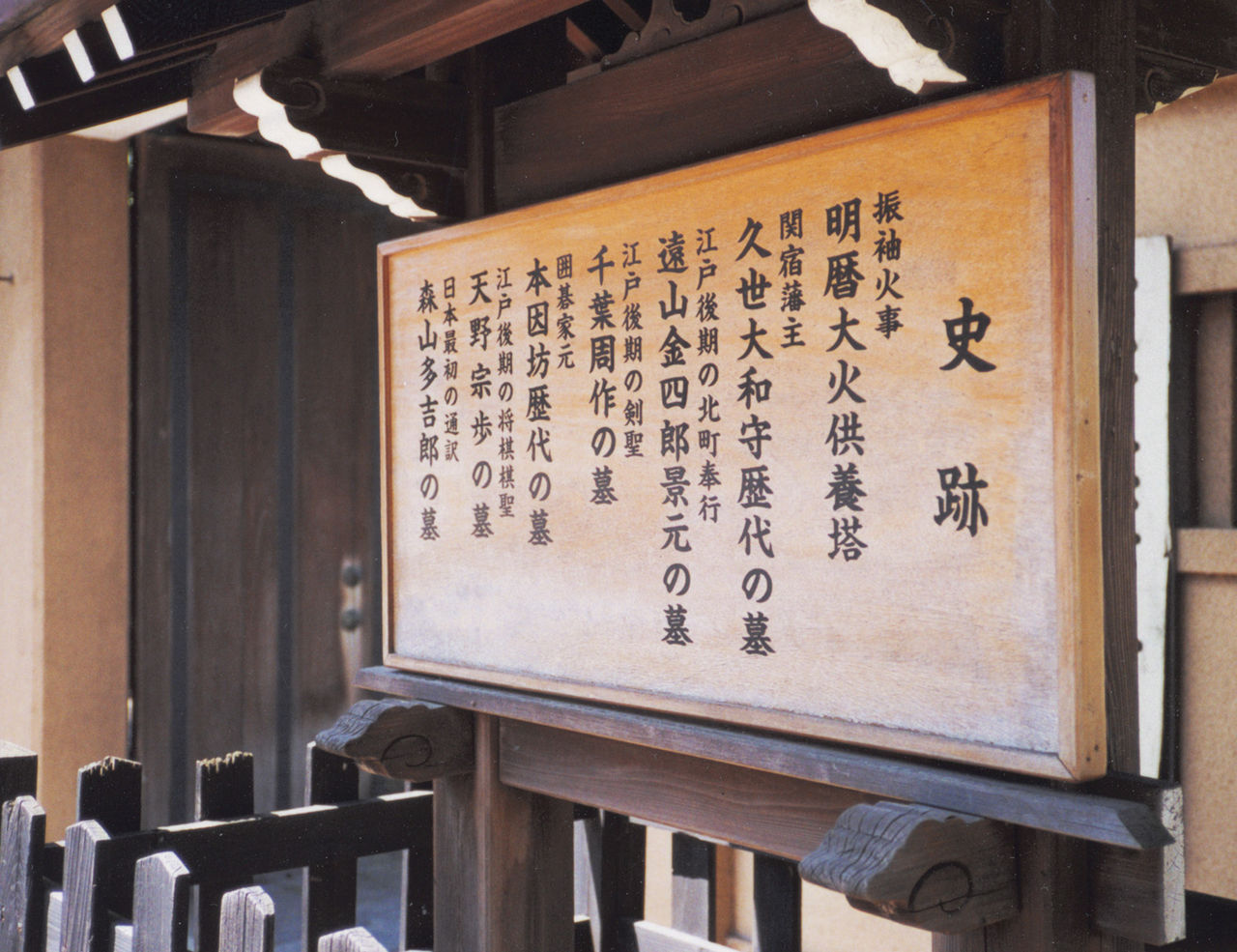
How the fire started and spread
Contemporary accounts place the origin in a district of Honjo in Edo, during a period of strong winds and dry weather. The city's dense wooden construction, narrow streets and thatched roofs allowed flames to move quickly. Firefighting technology and organization at the time were limited, and embers carried by the wind ignited distant neighborhoods.
Damage and casualties
Records from the period describe widespread destruction of houses, temples, merchant quarters and official residences. Casualty estimates vary widely: chroniclers reported tens of thousands of deaths and many more displaced; modern historians note that precise totals are uncertain but emphasize the scale of human and material loss. Large swathes of Edo required rebuilding.
Aftermath and reforms
In the years following the disaster the Tokugawa authorities introduced significant urban reforms aimed at reducing fire risk. Measures included widening major thoroughfares to act as firebreaks, relocating some temples and shrines away from crowded districts, regulating roof and wall materials where possible, and reorganizing firefighting groups. These changes shaped Edo's later development and emergency practices.
Cultural and historical significance
The Great Fire of Meireki left a lasting impression on contemporary culture. It was depicted in prints and literature, and it influenced public perception of urban vulnerability in a pre-industrial, wood-built city. Historians view the event as a turning point in the administration of Edo, demonstrating how large disasters prompted administrative, architectural and social responses in early modern Japan.
Related topics
- Tokugawa urban planning and disaster policy
- History of firefighting in Japan, including organized hikeshi units
- Transformation of Edo into modern Tokyo and its changing infrastructure
Related articles
Author
AlegsaOnline.com Great Fire of Meireki (Edo, 1657) Leandro Alegsa
URL: https://en.alegsaonline.com/art/40500
Sources
- books.google.com : "Meireki no Taika"
- books.google.com : Annales des empereurs du japon, p. 413.
- books.google.com : "Kawamura Zuiken"