
Goals Against Average (GAA)
Goals against average (GAA) is the mean number of goals a goalkeeper or goaltender concedes per standard unit of play; used in hockey, soccer, lacrosse and water polo to summarise defensive performance.
Goals against average (GAA) is a basic statistical measure that summarises how many goals a goalkeeper or goaltender allows on average per game or per a sport's standard playing interval. The term is used in several team sports, most prominently ice hockey, and also in water polo, lacrosse and association football (soccer).
Image gallery
1 Image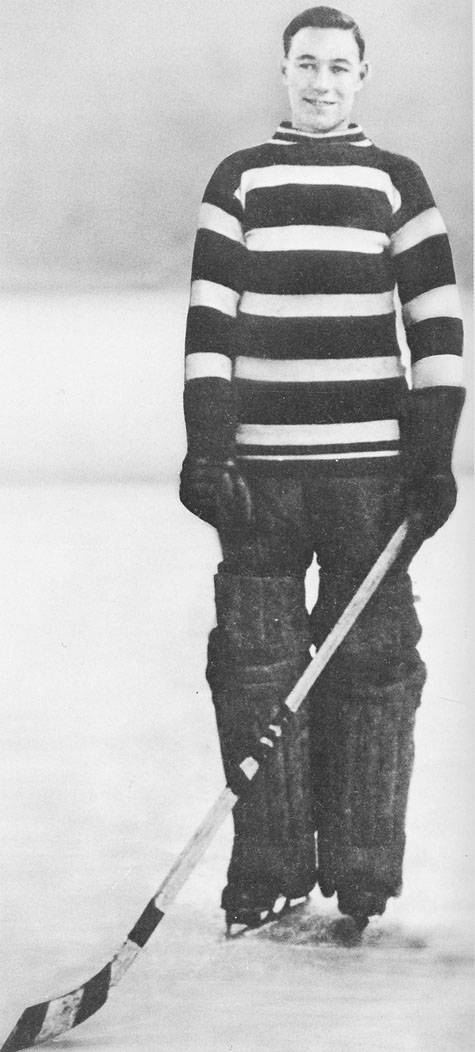
Definition and calculation
Conceptually, GAA is the arithmetic mean of goals conceded expressed relative to a chosen unit of play. The common formulas are:
- Goals per game: total goals allowed ÷ games played.
- Time‑normalized GAA: (goals allowed × standard minutes) ÷ minutes played — for example, multiplied by 60 to give goals per 60 minutes, or by 90 to show goals per 90 minutes in soccer.
These calculations are applied to an individual goaltender's minutes or matches to produce a seasonal or career GAA. The term relies on the simple statistical mean and is tied to the role of the goaltender as the player primarily responsible for stopping shots.
Sport-specific notes
Leagues and sports adopt different standard intervals: ice hockey commonly uses goals per 60 minutes, association football uses goals per 90 minutes or simply goals per match, and other sports apply their own game-length standard. Substitution rules, shot volume and period length affect how directly GAAs can be compared between sports or competitions.
Uses and limitations
GAA is intuitive and useful for summarising trends or comparing goaltenders within the same team or league. However, it is influenced by team defensive strength, the number and quality of shots faced, and playing time. Because of these dependencies, analysts normally consider GAA alongside other measures such as save percentage, shutouts (clean sheets) and modern expected‑goals metrics to better isolate individual performance.
Context and complementary metrics
As statistical tracking has improved, GAA is presented with companion statistics that account for workload and shot quality. Examples include save percentage (efficiency on shots faced), shutouts or clean sheets (matches with no goals conceded), and advanced estimates that compare goals allowed to expected goals. Together these give a fuller picture than any single number.
Practical guidance
- When using GAA, check whether a competition uses per‑game or time‑normalized figures.
- Be cautious when comparing GAAs across eras, leagues or sports due to rule and style differences.
- Combine GAA with save percentage and minimum‑minutes thresholds to reduce distortion from small samples or unusual team contexts.
For official definitions and further reading consult governing bodies and statistical glossaries for each sport: ice hockey, water polo, lacrosse, association football, general material on the statistical mean, and resources describing the role of the goaltender.
Related articles
Author
AlegsaOnline.com Goals Against Average (GAA) Leandro Alegsa
URL: https://en.alegsaonline.com/art/39354