
Lacrosse: Origins, Equipment, Forms, and Cultural Significance
Lacrosse is a team sport of Indigenous North American origin played with a netted stick. This article explains its history, main forms, equipment, basic rules and cultural importance.
Overview
Lacrosse is a stick-and-ball team sport that originated with Indigenous peoples of what is now North America. Players use a long shaft fitted with a netted "head" to carry, catch and pass a ball with the objective of scoring by shooting into a goal. It is widely played at amateur and professional levels and is recognized as a national summer sport in Canada and an important cultural practice among many Indigenous nations. As a team sport, it combines elements of speed, teamwork and hand-eye coordination.
Image gallery
10 Images





Equipment and playing area
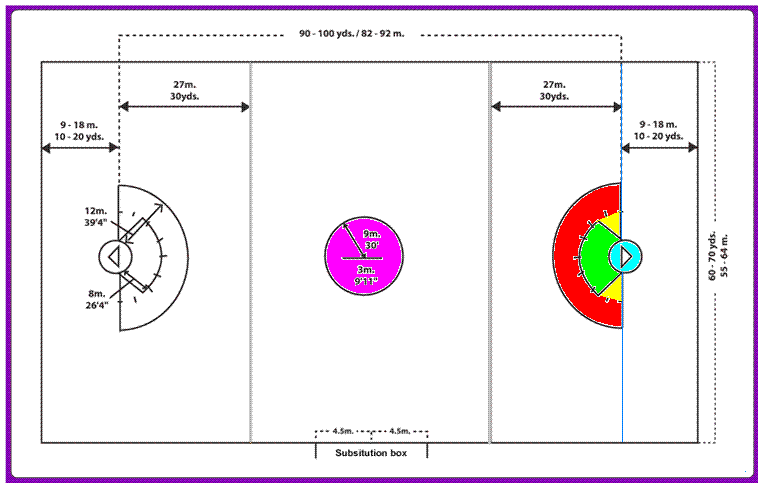
Modern lacrosse equipment blends traditional design with contemporary materials. The essential piece is the stick (often called a "crosse") that ends in a mesh or woven pocket used to cradle the ball. Historically heads were made from wood and netting from leather; today they are typically manufactured from synthetic materials and metal or composite shafts. Protective gear varies by version and level of contact but commonly includes helmets, gloves and padding.
- Primary items: stick (head and shaft), ball, helmet, gloves.
- Surface and variants: field lacrosse is played outdoors on a large grass or turf pitch; box lacrosse is played indoors in an enclosed arena.
- Ball evolution: from animal-hide balls used in traditional play to standardized rubber or synthetic balls today.
Main forms and basic rules
There are several principal forms of lacrosse, shaped by region and historical practice. Field lacrosse (men's and youth formats), women's lacrosse, and box lacrosse (an indoor variant) are among the most common organized versions. Distinct rules govern contact, equipment and field size: women's lacrosse typically limits physical contact and uses different protective requirements, while box lacrosse features tighter spaces and more physical play.
Across versions the fundamental objective is similar: use the stick to pass and move the ball and score by getting it past the opposing goalkeeper. Play is structured into timed periods, and teams must obey rules on offsides, penalties and personal fouls. Tactical roles include attackers, midfielders and defenders; goalies use larger heads and additional protection.
History and cultural role
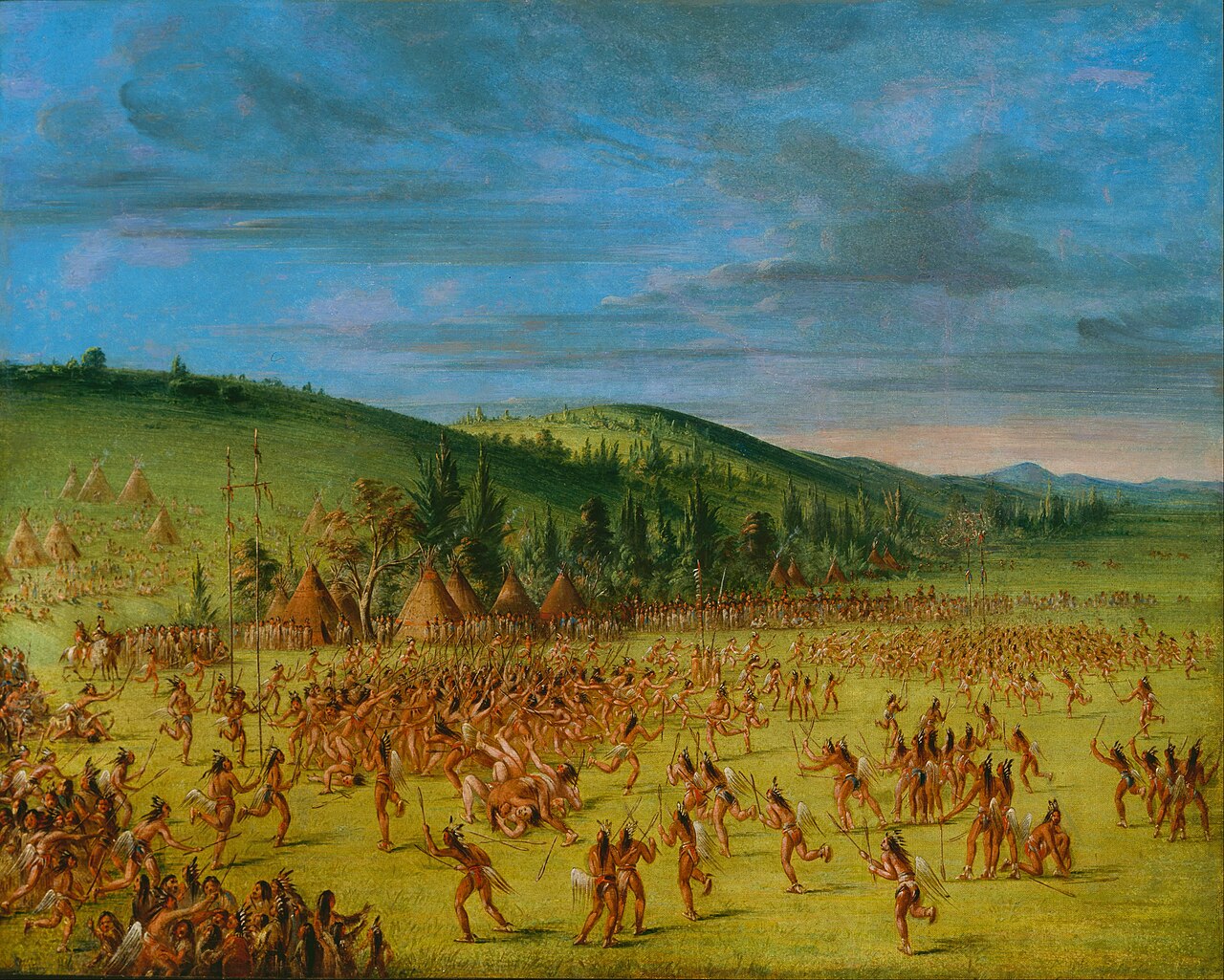
Lacrosse is among the oldest organized sports in North America. Many Indigenous communities played games known by various regional names long before European arrival; contests ranged from small games to large, sometimes ceremonial events that could involve hundreds of players and last for days. These matches had social, spiritual and communal dimensions—serving to train warriors, resolve disputes, celebrate events and strengthen alliances. Early European observers, including French missionaries and colonists, adapted the name "lacrosse," derived from the French word for a curved stick.
Modern development and influences
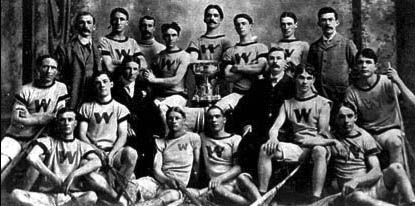
In the nineteenth and twentieth centuries lacrosse was codified into organized rules and clubs, spreading through schools and clubs across the United States, Canada and beyond. Indoor box lacrosse emerged as a popular professional variant in some regions. The sport's influence can be seen in other stick-and-ball games and in cultural exchanges between Indigenous and non-Indigenous communities. While some similarities exist between lacrosse and sports such as hockey, each has its own distinct history and rule set.
Variants, terminology and notable facts
- Traditional styles: Some Indigenous styles used two sticks or different ball materials; one historic form used a stick in each hand to toss a ball between them.
- Terminology: "Crosse" is an older term referring to the stick; modern usage varies by country and community.
- Recognition: Lacrosse enjoys organized leagues, collegiate competition and international tournaments, and continues to be a symbol of cultural resilience and revival in many Indigenous communities.
For further reading on rules, equipment specifications and contemporary competitions, consult sports governing bodies and historical sources. Additional resources are available through organizations that document Indigenous histories and the modern spread of lacrosse: cultural resources, equipment guides, and archival or scholarly repositories of sporting history and related sports. For governing rules and tournaments see national and international lacrosse federations and organizations here and here.
Respect for the game's Indigenous origins and continued connection to ceremonial and community life is central to many conversations about lacrosse today.
Related articles
Author
AlegsaOnline.com Lacrosse: Origins, Equipment, Forms, and Cultural Significance Leandro Alegsa
URL: https://en.alegsaonline.com/art/55280
Sources
- uslacrosse.org : uslacrosse.org