
Glastonbury Abbey: history, architecture and legends
Ruined monastery in Somerset, England, with medieval origins, notable burials, monastic wealth, and strong Arthurian and early Christian associations.
Glastonbury Abbey stands on the edge of the town of Glastonbury in Somerset, England. Once one of the most influential monasteries in medieval Britain, its extensive remains now form a popular historic site. The abbey's long story includes early Christian foundations, Norman rebuilding, later medieval expansion, a dramatic suppression in the 16th century and centuries of archaeological investigation.
Image gallery
10 Images


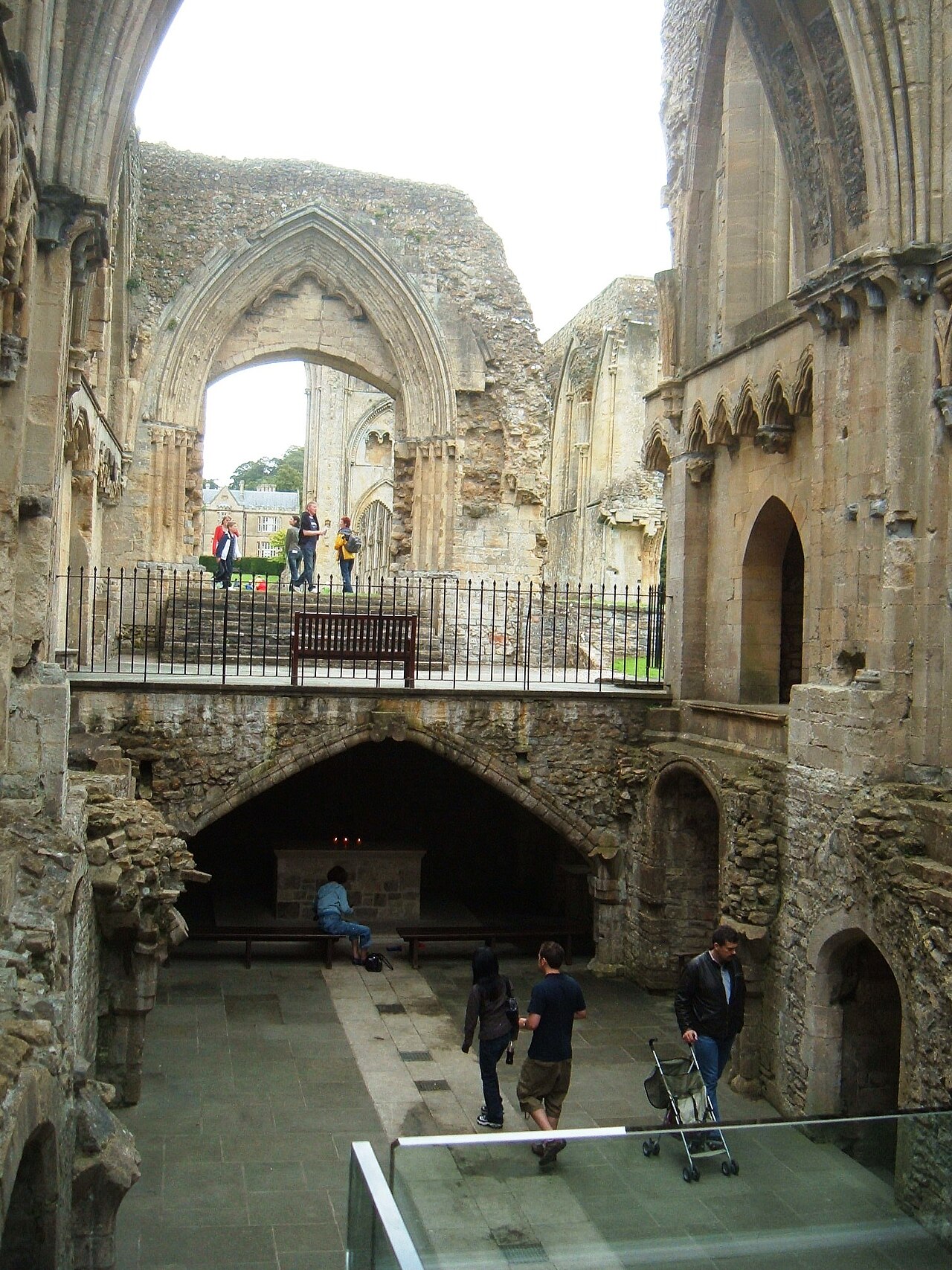

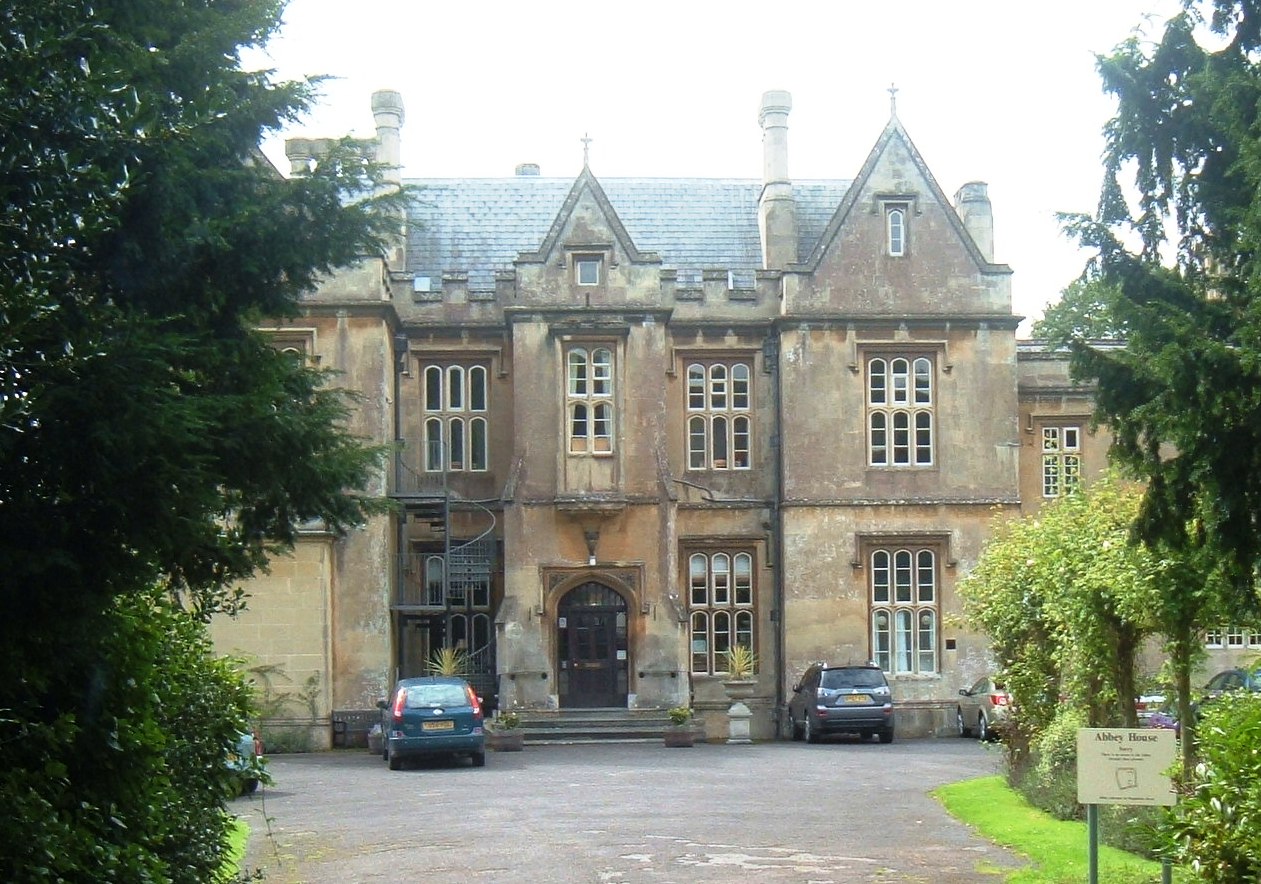
Origins and development
Evidence suggests a religious presence on the site from the early medieval period and possibly earlier. Medieval chroniclers credit West Saxon kings with patronage: tradition links King Ine of Wessex with early stone building activity at Glastonbury. Over the centuries the community grew into a major Benedictine house, undergoing large-scale reconstruction in the Norman and later medieval phases that produced a substantial church and monastic complex.
Notable features and surviving fabric
The abbey precinct once contained an abbey church, chapter house, cloisters, infirmary and service buildings. A few structures and visible ruins survive, and parts of the complex have been conserved for visitors. The medieval Abbot's Kitchen is a particularly well-known surviving building, and archaeological excavations have revealed foundations, sculptural fragments and burials that illustrate changing phases of construction.
Burials and the Arthurian connection
Glastonbury has long been associated with important burials. King Edmund I of England is recorded as being buried at the site in 946. From the High Middle Ages the abbey also became linked to the legend of King Arthur: a medieval discovery of a grave purported to be Arthur's attracted attention and gifts, and the story has persisted in popular imagination. Modern historians treat the Arthuric claim with caution, recognizing both its medieval promotional role and its lasting cultural significance.
Dissolution, ruins and modern importance
The abbey was suppressed during the Dissolution of the Monasteries under Henry VIII and much of its fabric was dismantled. Today the surviving ruins are managed as a heritage site and interpreted for visitors. Archaeological work and conservation continue to inform understanding of the site's chronology, liturgical layout and artistic decoration.
Why Glastonbury matters
Glastonbury Abbey is important for several reasons: as an example of monastic wealth and medieval architecture; as a repository of regional history and royal associations; and as a focal point for legends that have shaped British cultural memory. Visitors encounter both tangible remains and the layered stories—religious, royal and legendary—that have grown up around this distinctive place.
- Location: Glastonbury, Somerset
- Recorded royal burial: Edmund I
- Legendary association: King Arthur
Related articles
Author
AlegsaOnline.com Glastonbury Abbey: history, architecture and legends Leandro Alegsa
URL: https://en.alegsaonline.com/art/39132
Sources
- englishmonarchs.co.uk : "Edmund I the Elder"