
Gipuzkoa: province and historical territory of the Basque Country
Gipuzkoa is a coastal province and historical territory in Spain's Basque Country. It is noted for San Sebastián, Basque language and culture, rugged hills, industry, and renowned cuisine and festivals.

Overview
Gipuzkoa (Basque: Gipuzkoa, Spanish: Guipúzcoa) is a province and historical territory in northern Spain. It forms part of the autonomous community of the Basque Country and faces the Bay of Biscay along its northern shore. The province is widely known for its capital, San Sebastián, coastal scenery, and a strong Basque cultural and linguistic identity. For pronunciation and language references see Basque pronunciation and the Spanish form Guipúzcoa.
Image gallery
6 Images




Geography and environment
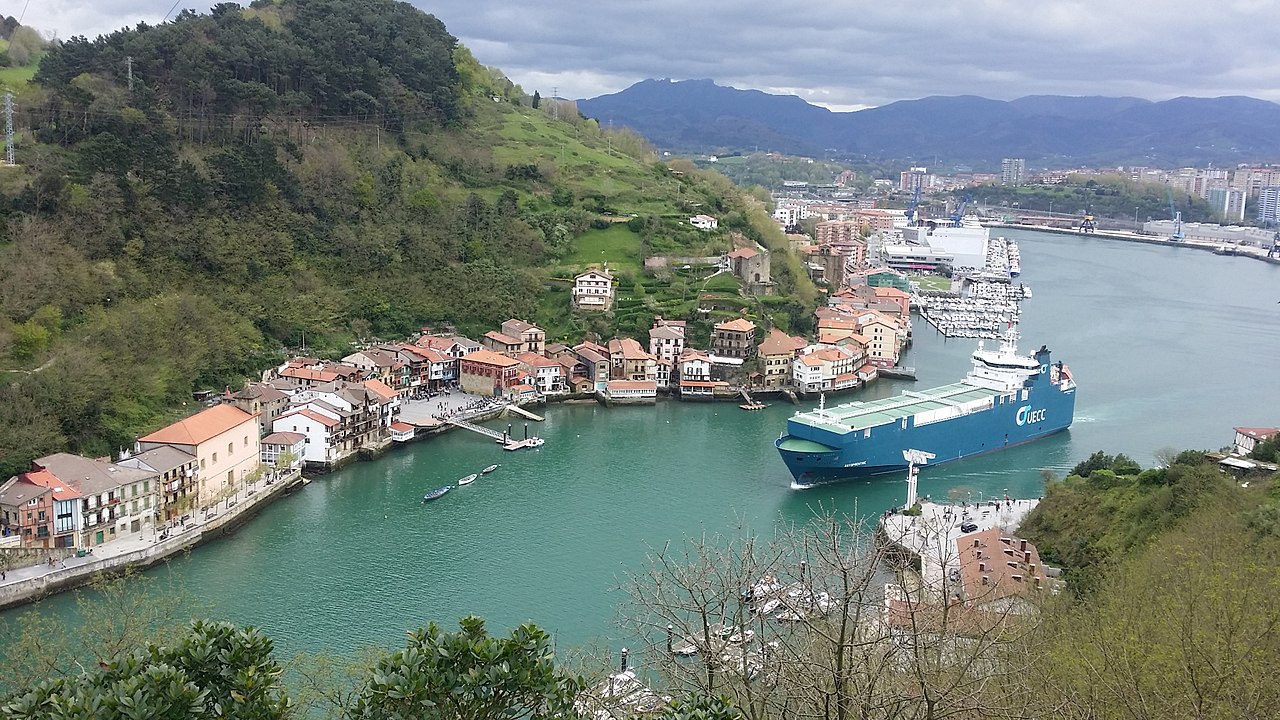
Terrain in Gipuzkoa is compact and varied: a narrow coastal plain rises quickly into green mountains and valleys. Rivers run from the interior to the sea, shaping fertile basins and sandy estuaries. The coastline alternates sandy bays and rocky headlands, offering maritime activities and beaches. The province is one of the smaller Spanish provinces by area but with a dense network of towns and transport links connecting it to the rest of Spain and to neighbouring regions across the French border; historical and cross-border relations are often mentioned with the French form Guipuscoa.
Administrative divisions and towns
Gipuzkoa contains a number of municipalities ranging from coastal cities to inland industrial towns. Major population and commercial centres include:
- San Sebastián (Donostia) — the capital and cultural hub;
- Irún — a key border town and transport gateway;
- Eibar — historically important for small-industry and manufacturing;
- Other small coastal and valley towns that preserve local traditions.
History and development
The area that is now Gipuzkoa has long been inhabited and developed distinct social and legal traditions tied to Basque institutions. Over centuries it moved from fishing and agriculture toward a mix of industry, services and tourism. Its urban centres expanded during industrialization while preserving strong municipal identities and cultural institutions. The region is often discussed in contexts that link its modern administrative role within the Basque autonomous arrangements and its deeper historical roots within the broader Basque Country (Euskadi).
Economy, transport and infrastructure
Gipuzkoa's economy combines manufacturing, maritime activities, tourism and a growing services sector. Transport corridors and rail links make it a conduit for trade and travel between Spain and France. Ports, regional roads and railways support both commuter mobility and freight. Urban planning in the province often balances industrial heritage with tourism-oriented redevelopment and environmental conservation.
Culture, language and notable features
Basque language and traditions are prominent in public life, education and festivals. San Sebastián is internationally recognised for its culinary scene—small plates known locally as pintxos—and hosts major cultural events including film and music festivals. Local celebrations, folk music, and sports associated with rural Basque life remain important to community identity. Visitors and students of culture often note the province's combination of dramatic coastline, lively towns and a visible dedication to preserving Basque language and customs.
Further reading and references
For additional information on Gipuzkoa's administration, culture and travel resources, consult regional and municipal sites and cultural guides. Official and language resources help explain place names, administration and pronunciation—San Sebastián and other municipal pages often provide practical visitor information and historical overviews.
External language and administrative references: pronunciation and audio, Spanish usage, French references, national context (Spain), Basque Country institutions, San Sebastián.
Related articles
Author
AlegsaOnline.com Gipuzkoa: province and historical territory of the Basque Country Leandro Alegsa
URL: https://en.alegsaonline.com/art/38940
Sources
- merriam-webster.com : "Guipúzcoa"