
Giza Governorate
Giza Governorate, west of the Nile opposite Cairo, contains the city of Giza, the Giza Plateau with the pyramids and Sphinx, and extended desert territory including Bahariya Oasis, following administrative changes in 2011.
Giza Governorate is an administrative region of the Arab Republic of Egypt situated on the western bank of the Nile opposite the city of Cairo. Its administrative capital is the city of Giza, which forms part of the contiguous urban area commonly referred to as Greater Cairo. For a general overview of the governorate as an administrative unit see Giza Governorate.
Image gallery
5 Images


Geography and extent
The governorate extends along the left (west) bank of the Nile, combining densely settled riverine zones with broad tracts of the Western Desert. Agricultural activity and most population centres lie in the fertile Nile valley and its immediate floodplain, while newer housing developments and industrial zones have grown onto the desert fringe. In 2011 the boundaries of the governorate were expanded when parts of the former 6th of October Governorate were merged into Giza, increasing its share of desert territory and including oases such as Bahariya.
Historical and archaeological significance
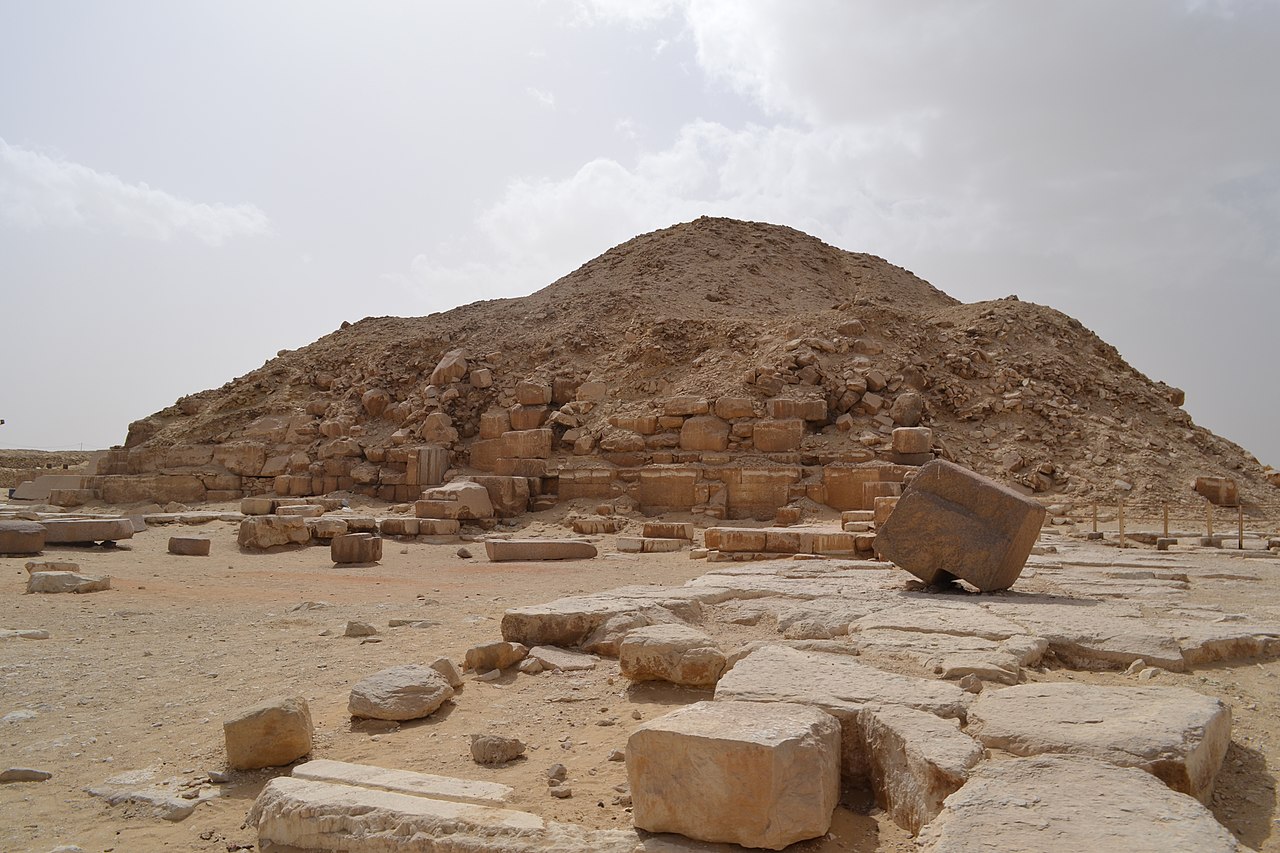
Giza is internationally known for its ancient monuments concentrated on the Giza Plateau. The complex includes the pyramids and mortuary structures associated with Old Kingdom pharaohs; the largest pyramid, often called the Great Pyramid of Giza, is the only surviving structure of the classical Seven Wonders of the World. The nearby monumental sculpture known as the Great Sphinx and numerous tombs and mastabas form part of one of Egypt's most important archaeological landscapes. This area is closely linked to the ancient capital of Memphis and the broader archaeological history of the Nile valley.
Administration and population
Administratively the governorate comprises urban districts, rural counties (markazes) and several planned satellite towns on desert land reclaimed for development. Local government is responsible for services, planning and economic development across a varied territory that includes the metropolitan districts around the city of Giza as well as more sparsely populated desert and oasis areas. Population is concentrated along the Nile, with urban growth driven by migration, housing projects and the integration of Greater Cairo.
Economy and infrastructure
The local economy reflects a mix of tourism, construction, light manufacturing and agriculture. Tourism related to the Giza Plateau is a major economic driver, supporting museums, hotels, guides and related services. Industrial zones and commercial centres around the metropolitan area contribute to employment and trade, while agriculture along the Nile produces staple crops and supports local markets. Transport infrastructure includes major highways, bridges and ring roads that connect Giza with Cairo and other governorates, facilitating commuter movement and freight.
Tourism, museums and conservation
Tourism is central to the governorate's identity and revenue. Large numbers of international and domestic visitors come to see the pyramids, the Sphinx and nearby archaeological sites. Conservation and heritage management are ongoing priorities: state authorities and international teams undertake research, excavation, restoration and visitor-management projects to protect monuments while improving access and interpretive facilities. Several museums and visitor centres in and around Giza support education and display key finds from local excavations.
Western Desert and oases
Beyond the Nile valley, Giza Governorate includes parts of the Western Desert and at least one significant oasis, Bahariya, incorporated after the 2011 administrative changes. These desert lands are important for their distinct ecosystems, archaeological sites, and potential for tourism and controlled agricultural development in oases. Desert research, conservation of desert heritage and careful planning for sustainable development are relevant topics for these territories.
Urban development and challenges
Like many areas of Greater Cairo, Giza faces challenges related to urban growth: provision of housing, transportation, sanitation and public services; preservation of historic sites amid expanding construction; and balancing tourism with the needs of local communities. Planning initiatives seek to improve infrastructure, expand public transit connections and manage land use to reduce congestion and environmental pressure.
Further information
- For administrative details and official notices consult the governorate's pages and publications: Giza Governorate.
- To learn more about the city that serves as the governorate capital see Giza.
- Context on the wider metropolitan area is available under Cairo.
- Major monuments are documented at entries for the Great Pyramid of Giza and the Great Sphinx.
This article summarizes widely known facts about the governorate's geography, heritage and role within Egypt. For detailed archaeological reports, tourism guidance or administrative data consult specialised publications, heritage authorities and official government sources.
Questions and answers
Q: What is Giza Governorate?
A: Giza Governorate is one of the governorates of Egypt, located on the west bank of the Nile River opposite Cairo.
Q: What is the capital city of Giza Governorate?
A: The capital city of Giza Governorate is Giza.
Q: What geographical area does Giza Governorate cover?
A: Giza Governorate covers a stretch of the left bank of the Nile Valley around Giza, as well as a large stretch of Egypt's Western Desert including Bahariya Oasis.
Q: When was the 6th of October Governorate merged into Giza Governorate?
A: The 6th of October Governorate was merged into Giza Governorate on 14 April 2011.
Q: What is the Great Pyramid of Giza?
A: The Great Pyramid of Giza is one of the Seven Wonders of the Ancient World and a major tourist attraction. It is located in the Giza pyramid complex in Giza Governorate.
Q: Why do people come from all over the world to see the Great Pyramid of Giza?
A: The Great Pyramid of Giza is a historical and architectural marvel, and a rare example of an ancient structure that has stood the test of time. People come from all over the world to see it and learn its history.
Q: What other landmark is located in Giza Governorate?
A: The Great Sphinx is also located in Giza Governorate, near the Great Pyramid.
Related articles
Author
AlegsaOnline.com Giza Governorate Leandro Alegsa
URL: https://en.alegsaonline.com/art/39054
Sources
- capmas.gov.eg : "Population estimates by governorate: CAPMAS" · web.archive.org