
Giacomo Leopardi: life, works, and literary significance
Giacomo Leopardi (1798–1837), Italian poet, philosopher and philologist. Author of Canti, L'infinito, Operette morali and the Zibaldone notebooks. Central figure of 19th‑century Italian literature and philosophical pessimism.
Giacomo Leopardi (born in Recanati in 1798, died in Naples in 1837) was an Italian poet, essayist, philosopher and philologist whose work ranks among the most influential in 19th‑century Italy. Though he spent much of his life away from major cultural capitals, his lyric poetry and prose reflections engaged broad philosophical concerns and established him as a central voice of Italian literary modernity.
Image gallery
10 Images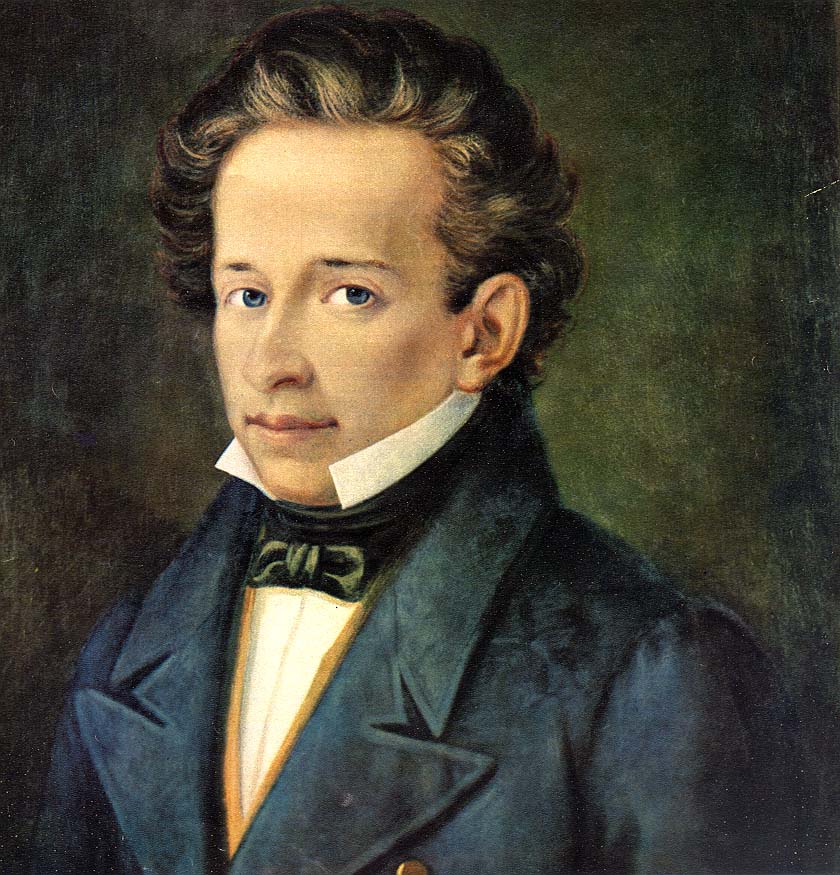


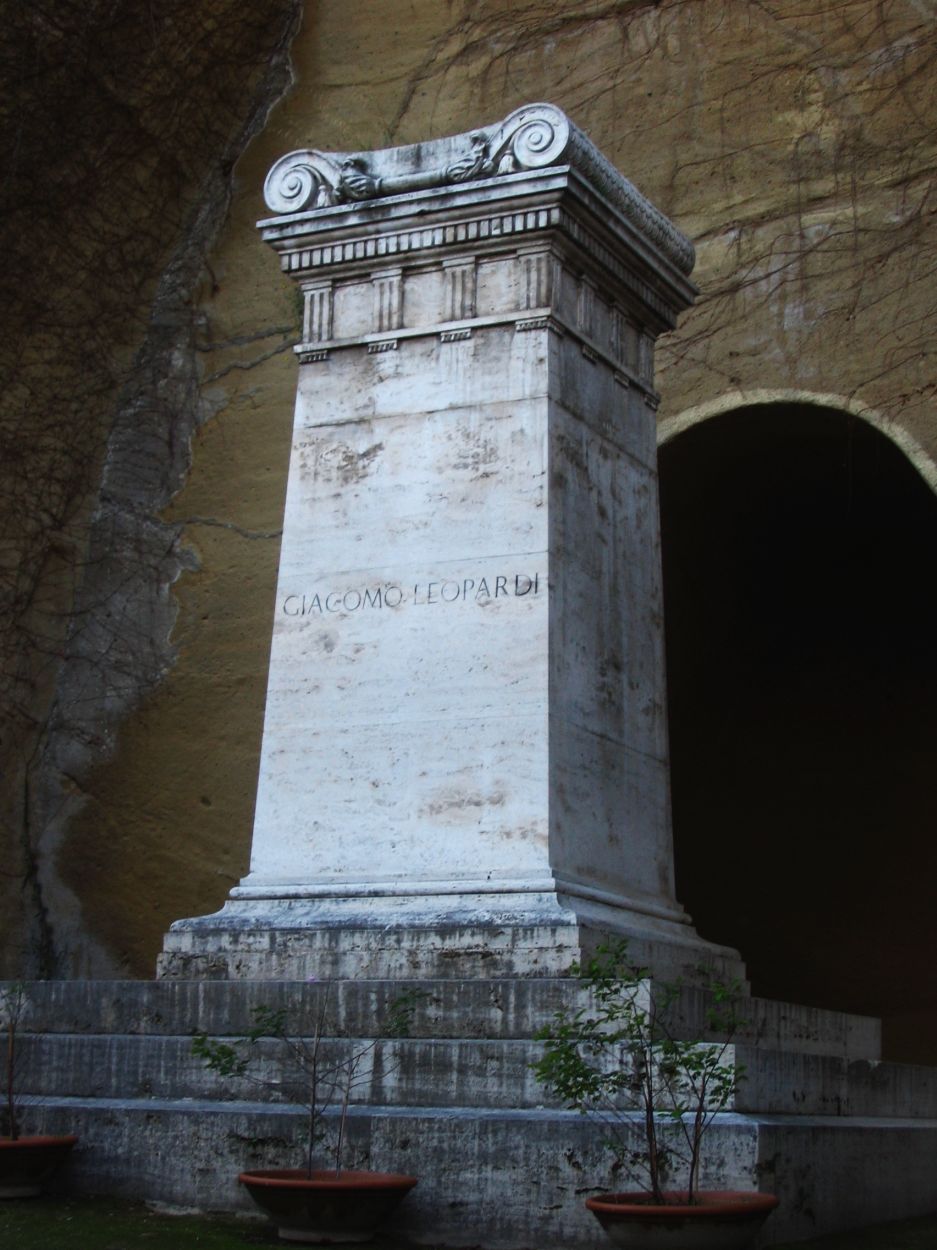
Life and education
Leopardi was raised in the provincial town of Recanati within the Papal States. Born into a family of some means, he benefited from an intensive classical education at home: Latin, Greek, history and philology shaped his early intellectual formation. Chronic ill health and a constrained social environment marked his youth and fed a lifelong sense of isolation. In adulthood he traveled to cities such as Rome, Bologna, Florence, Milan and finally Naples, where he spent his last years.
Main works
Leopardi produced both lyric poetry and prose. His major poetic collection, the Canti, gathers many of his best-known poems, including L'infinito and A Silvia. In prose he wrote the Operette morali (Small Moral Works), a series of dialogues and parables, and the Zibaldone di pensieri, a vast notebook of reflections on language, culture, history and metaphysics.
- Canti – poems exploring memory, desire and nature;
- L'infinito – a brief lyric famous for its meditation on the boundless;
- Operette morali – philosophical dialogues marked by irony and paradox;
- Zibaldone – unpublished in his lifetime, a sprawling intellectual diary.
Themes and style
Leopardi’s work is often associated with a pronounced philosophical pessimism: he portrayed nature as indifferent to human happiness and considered suffering an intrinsic part of life. Yet his pessimism is nuanced by aesthetic sensibility and rhetorical precision. His lyrics combine classical restraint with Romantic longing, giving close attention to sound, syntactic balance and concise imagery. As a philologist he was attentive to language history and textual accuracy, which informed both his critical prose and poetic diction.
Reception and legacy
During his lifetime Leopardi’s reputation grew slowly; after his death he became a canonical figure in Italian letters. Critics and readers have debated his relation to European Romanticism and to contemporary philosophical currents, and his notebooks continue to be mined for insights into 19th‑century thought. His poems are widely translated and remain central to Italian schooling and cultural memory. Modern scholarship examines both his literary artistry and his intellectual project, weighing poetic achievement against his bleak world view. See discussions of his wider reputation at critical overviews.
Notable facts: Leopardi’s manuscripts and correspondence survive in various archives and are the basis for ongoing editions and studies; digital projects and critical editions make many texts accessible to readers and researchers. For facsimiles and archival information consult resources on manuscripts and letters and general background on Enlightenment thinkers who shaped the intellectual climate he read. His life and works remain a central subject for those studying Italian literature, philosophy of history and comparative poetics.
Related articles
Author
AlegsaOnline.com Giacomo Leopardi: life, works, and literary significance Leandro Alegsa
URL: https://en.alegsaonline.com/art/38683