
Getúlio Vargas: Brazil's dominant 20th-century leader
Overview of Getúlio Vargas (1882–1954): his rise, two presidencies, Estado Novo rule, social and economic policies, 1954 crisis and legacy in Brazilian politics and labor law.
Getúlio Dornelles Vargas was a central figure in 20th‑century Brazilian politics who dominated the country’s public life for nearly two decades. Born in 1882, Vargas first became head of state after the 1930 revolution and led an extended period of rule known as the Vargas Era. He served both as an authoritarian chief of government and later as a democratically elected head of state. Vargas combined nationalism, state‑led industrialization and social measures that reshaped Brazil’s economy and labor relations.
Image gallery
10 Images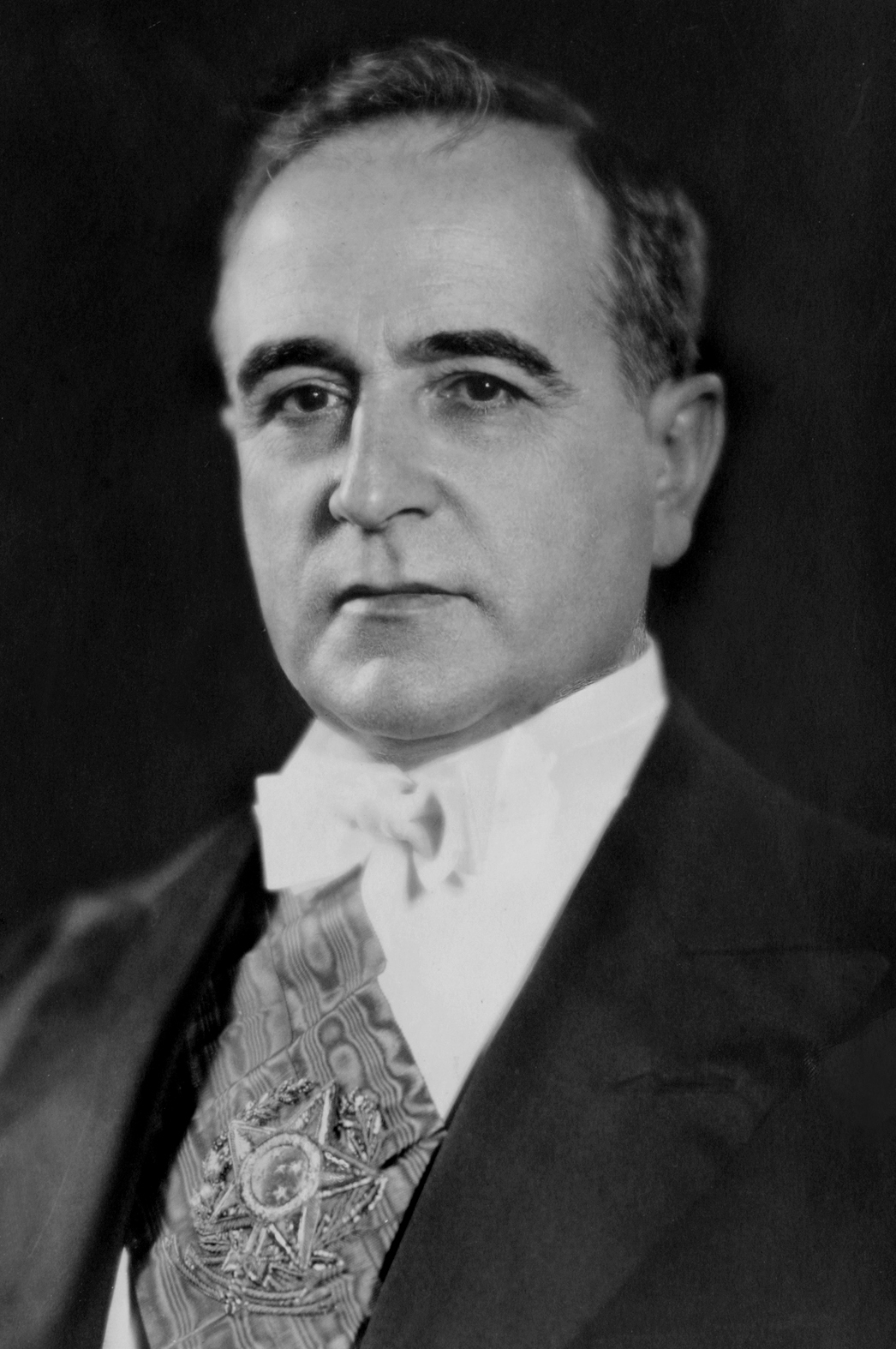


Early life and rise to power
Vargas was a lawyer and regional politician from Rio Grande do Sul who rose to national prominence amid political crisis in the late 1920s. In 1930 he led a coalition that overthrew the existing regime and installed him as provisional President. His ascent marked a decisive move away from the oligarchic First Brazilian Republic toward a more centralized federal government. The shift reflected broader currents of modernization, urbanization and new political mobilization.
Rule, institutions and policies
Between 1930 and 1945 Vargas alternated between constitutional rule and authoritarian government. In 1937 he instituted the Estado Novo, an authoritarian regime often described in contemporary and historical accounts as a dictatorship. Under his leadership the state promoted industrial development, protected nascent industries, and expanded public administration. Vargas championed a program of economic nationalism and centralization that limited regional elites’ autonomy while encouraging manufacturing and infrastructure projects.
His government introduced enduring labor legislation — consolidated in the 1940s — that offered formal protections for urban workers, regulated wages and hours, and created social security mechanisms. These measures, together with populist rhetoric, won Vargas enduring support among working‑class voters and earned him the popular sobriquet "The Father of the Poor". At the same time, he maintained a strongly anti‑communist stance and used state power to control political opposition.
- Economic: emphasis on industrialization and import substitution.
- Social: labor code, social insurance and state mediation of labor relations.
- Political: centralization of authority and corporatist institutions.
Return to the presidency and 1954 crisis
After a period out of office, Vargas returned to the presidency through democratic elections in 1951. His second presidency focused again on economic nationalism and social programs, but it unfolded amid intense political polarization, military concerns and press attacks. In August 1954, facing a deteriorating political crisis and pressures from military and political opponents who demanded his resign, Vargas took his own life in office. The event shocked the nation and intensified debates about his legacy.
Legacy and contested memory
Vargas is remembered as one of Brazil’s most influential leaders: he served longer than any other republican president and—after the monarchy—ranked among the country’s longest‑serving national figures. Historians note both his role in modernizing Brazil’s economy and institutions and the authoritarian aspects of his governance. He combined elements of populism (populism), nationalism and social policy, shaping mid‑century politics and labor relations. Debates about his contribution to democracy, industrial growth and social welfare remain central to understanding modern Brazil’s development.
For additional context on Vargas’s place in Brazilian history and comparisons with other leaders, see discussions of long‑serving national figures and heads of state in scholarly surveys of the period (compare his tenure to earlier rulers such as Emperor Pedro II and broader assessments of Brazilian heads of state). Biographical and political studies typically examine his complex blend of reformist policy, centralizing power and charismatic leadership, set against Cold War‑era anti‑communism and postwar democratization pressures. Contemporary resources and archival material provide further primary evidence and analysis about Brazil and Vargas’s long influence on its institutions and politics
Selected reading and resources can be found through general reference collections and specialized studies of the Vargas Era and mid‑century Latin American politics (comparative works, archives and academic surveys). For concise online entries and curated bibliographies consult reputable academic portals and library guides on the presidency and period histories. Additional multimedia collections and documentary sources are available through national archives and university projects (archival materials, digitized newspapers and oral histories).
Related articles
Author
AlegsaOnline.com Getúlio Vargas: Brazil's dominant 20th-century leader Leandro Alegsa
URL: https://en.alegsaonline.com/art/38597
Sources
- commons.wikimedia.org : Getúlio Vargas
- v-brazil.com : "Getulio Vargas"
- countrystudies.us : "The Era of Getúlio Vargas, 1930-54"