
Ghulam Ishaq Khan
Pakistani statesman and senior bureaucrat who served as President of Pakistan from 1988 to 1993 and played a central role in late-20th-century Pakistani politics and constitutional affairs.
Overview
Ghulam Ishaq Khan was a senior Pakistani statesman and former bureaucrat who served as President of Pakistan from August 17, 1988 until July 18, 1993. He was born on January 20 and the year of his birth is recorded as 1915. His death is recorded on October 27 in the year 2006. Details of his presidency and public life are discussed in many biographical summaries and official collections of Pakistan's leaders (see references).
Image gallery
1 Image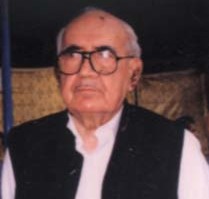
Early life and career
Trained in the civil service, Khan rose through administrative and financial posts before entering the highest levels of government. He was widely regarded as a technocrat and an experienced administrator whose background lay in the federal bureaucracy rather than in partisan politics. This grounding shaped his approach to governance and institutional decision-making during his public career.
Roles and responsibilities
- Head of state: As President he held constitutionally significant powers and was involved in oversight of federal institutions.
- Senior bureaucrat: Prior to the presidency he occupied key administrative roles that informed his management style.
- Chairmanships: He also served in senior legislative or advisory positions typical for a career civil servant elevated to the national level.
Presidency and controversies
Khan's tenure was marked by active use of presidential authorities, which led to disputes over the balance between elected governments and the presidency. Actions taken during this period provoked debate about constitutional interpretation and political stability. His final months in office coincided with a complex political impasse that ended with his departure from the presidency in mid-1993.
Legacy and significance
Ghulam Ishaq Khan is remembered for representing a non‑partisan administrative tradition at the highest level of state. Historians and analysts note both his managerial competence and the controversies tied to presidential interventions in parliamentary affairs. His career illustrates tensions in Pakistan's system between civil institutions, elected leaders, and the constitutional prerogatives of the presidency.
Notable facts
- He was one of the prominent career civil servants to become head of state in Pakistan's modern history.
- His tenure remains a reference point in discussions about presidential powers and constitutional crisis management.
Related articles
Author
AlegsaOnline.com Ghulam Ishaq Khan Leandro Alegsa
URL: https://en.alegsaonline.com/art/38671