
Elbridge Gerry: Revolutionary Leader, Governor, and Namesake of Gerrymandering
Elbridge Gerry (1744–1814) was an American statesman from Massachusetts: Continental Congress delegate, signer of the Declaration and Articles, governor, and U.S. vice president associated with the origin of the term gerrymander.
Overview
Elbridge Gerry was an American political leader whose public career spanned the Revolutionary era and the early republic. Born in Massachusetts in 1744, he took part in the struggle for independence, served in national and state offices, and became the fifth vice president of the United States. His name is best remembered today because a controversial redistricting plan enacted during his governorship led to the coinage of the word "gerrymander." Politician and public servant from Massachusetts, Gerry served in roles that linked the founding generation's debates over liberty, representation, and the shape of American government.
Image gallery
10 Images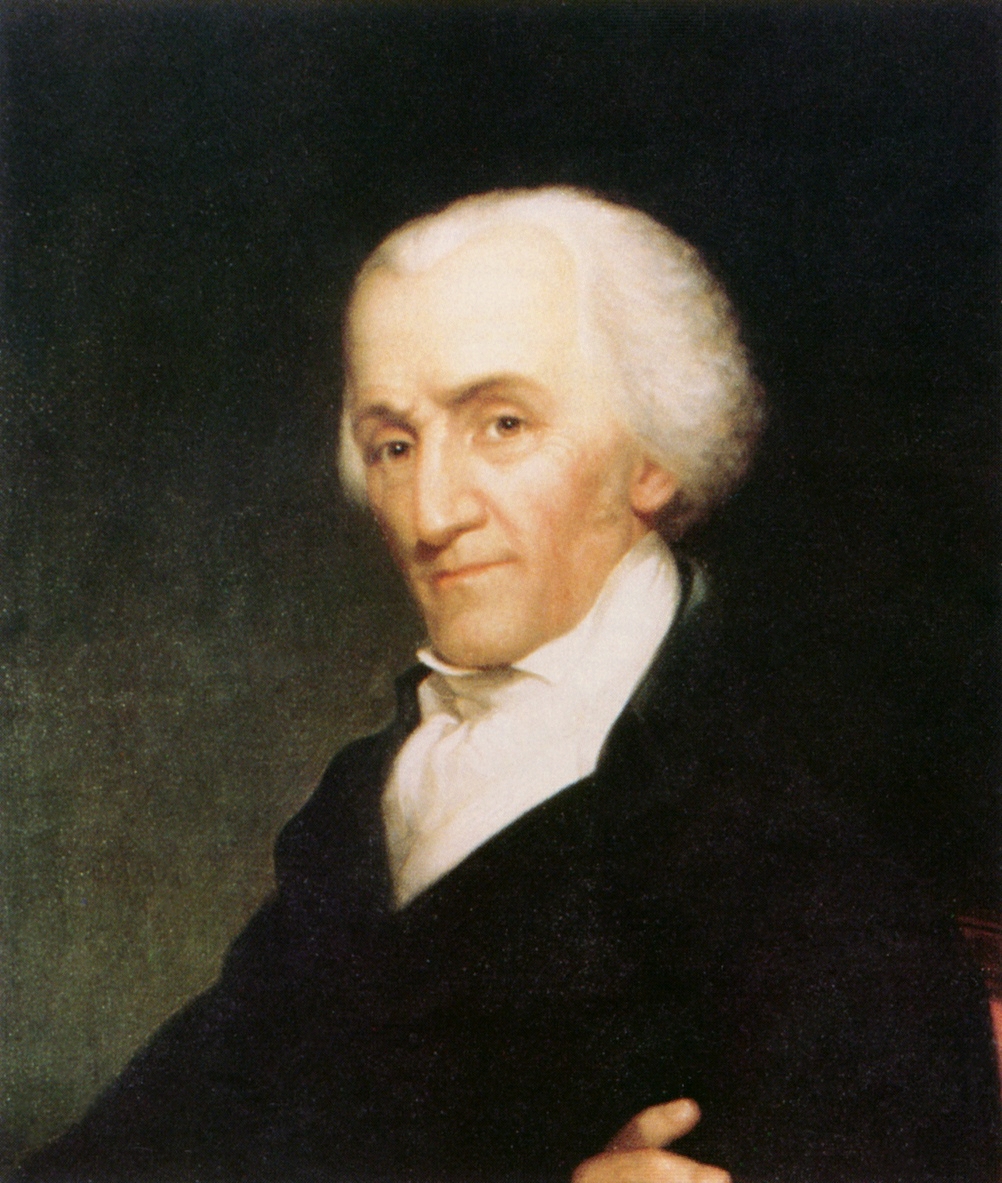

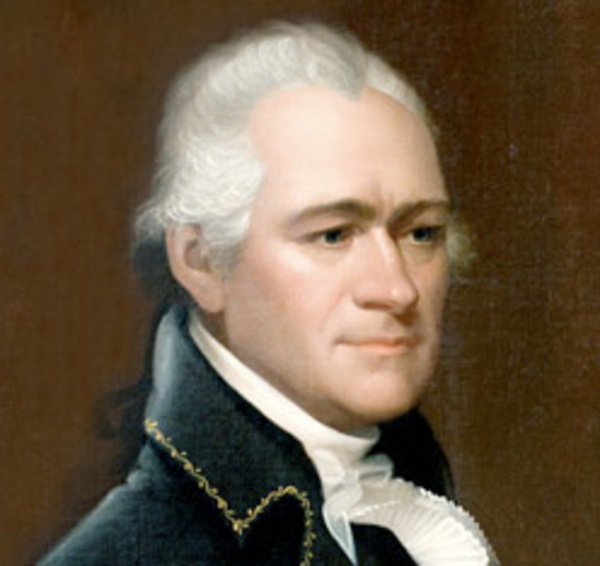


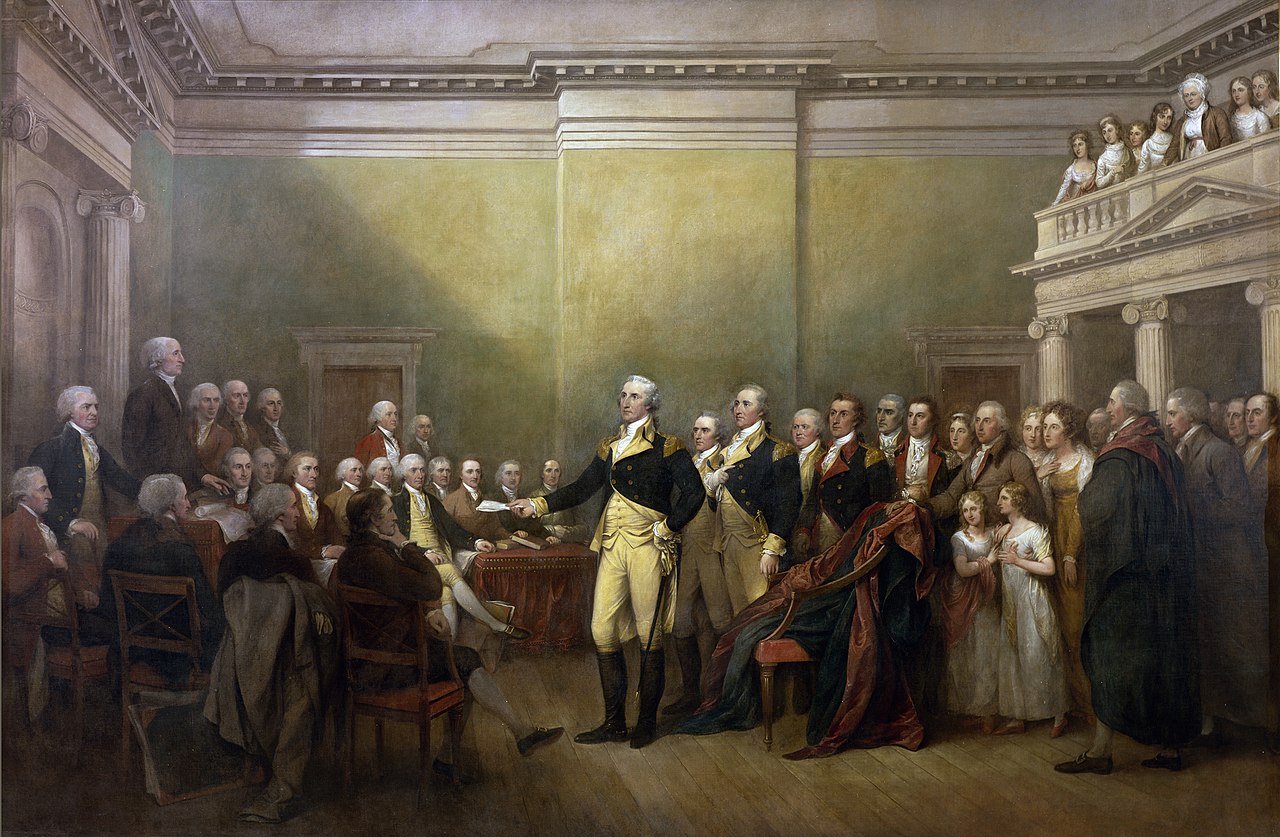


Public offices and roles
- Delegate to the Continental Congress and signer of the Declaration of Independence.
- Signer of the Articles of Confederation, the first constitution of the United States.
- Delegate to the 1787 Constitutional Convention, where he opposed the final text and did not sign it.
- Member of the U.S. House of Representatives in the early federal period.
- Governor of Massachusetts and later Vice President under James Madison, dying in office in 1814.
Political beliefs and constitutional views
Gerry belonged to the Democratic-Republican tradition and was skeptical of a strong centralized government without explicit protections for individual rights. At the Constitutional Convention he voiced objections that reflected concerns of the Anti-Federalist camp; he ultimately declined to sign the 1787 Constitution because it lacked a bill of rights at that time. His positions illustrate a central tension of the era: how to balance effective national institutions with safeguards of liberty.
Gubernatorial controversy and the origin of "gerrymander"
While governor of Massachusetts he approved a redistricting plan intended to strengthen his party's electoral prospects. Critics derided the irregular district shapes and the partisan intent, and a political cartoon and satirical label popularized the word "gerrymander" to describe the practice of drawing districts for partisan advantage. The term has since become standard in discussions of electoral fairness and representation worldwide.
Later career and death
After returning to national politics, Gerry was elected vice president in 1812 and took office in 1813. He served under President James Madison during the War of 1812 era and died in office in November 1814. His death while serving as vice president added to a complex legacy that mixes his contributions to independence and constitutional debate with controversy over partisan maneuvering.
Legacy and historical assessment
Historians view Gerry as a committed republican who helped shape early American institutions but who also engaged in intensely partisan state politics. He remains notable both for his role among the Founders—signing key founding documents—and for the unintended and durable linguistic legacy of his name. Debates about gerrymandering continue to invoke his tenure as an early example of the tensions between political strategy and representative fairness.
For further reading on his life and offices see collections that list delegates and signers, biographies that explore early republic politics, and studies of electoral districting reforms. Useful starting points include primary source compilations and modern scholarly treatments of the founding era and the development of partisan practices in state governments.
Questions and answers
Q: Who was Elbridge Gerry?
A: Elbridge Gerry was an American politician from Massachusetts who was a member of the Continental Congress, a signer of both the Declaration of Independence and the Articles of Confederation, and the fifth vice president of the United States.
Q: What political party did Elbridge Gerry belong to?
A: Elbridge Gerry was a Democratic-Republican.
Q: When did Elbridge Gerry serve as the vice president of the United States?
A: Elbridge Gerry served as the fifth vice president of the United States from March 4, 1813, until his death a year and a half later on November 23, 1814.
Q: Was Elbridge Gerry a member of the United States Constitutional Convention in 1787?
A: Yes, Elbridge Gerry was a delegate to the United States Constitutional Convention in 1787 but did not sign it.
Q: What position did Elbridge Gerry hold when he supported a plan to re-create voting districts in Massachusetts?
A: Elbridge Gerry was the Governor of Massachusetts when he supported a plan that would re-create voting districts in Massachusetts to give more power to the political party that he belonged to.
Q: What is gerrymandering and where did the term come from?
A: Gerrymandering is the act of creating a voting district that gives one political party an unfair advantage. The term "gerrymandering" was named for Elbridge Gerry, who supported the creation of a voting district in Massachusetts that was shaped like a salamander and was said to look like a "Gerry-mander."
Q: When did Elbridge Gerry die?
A: Elbridge Gerry died in office on November 23, 1814, while serving as the vice president of the United States.
Related articles
Author
AlegsaOnline.com Elbridge Gerry: Revolutionary Leader, Governor, and Namesake of Gerrymandering Leandro Alegsa
URL: https://en.alegsaonline.com/art/118258