
George Soule (Mayflower passenger, ca. 1602–1679)
George Soule, a Mayflower passenger and early Plymouth Colony settler, served Edward Winslow, fought in the Pequot War, became a Duxbury landowner and deputy, and left a large family and local legacy.
Overview
George Soule (about 1602–1679) was one of the passengers who crossed to New England on the Mayflower in 1620. Originally recorded as a servant in the colony, Soule went on to become a notable early settler in the Plymouth area and later in nearby Duxbury.
Image gallery
5 Images



Arrival and early years
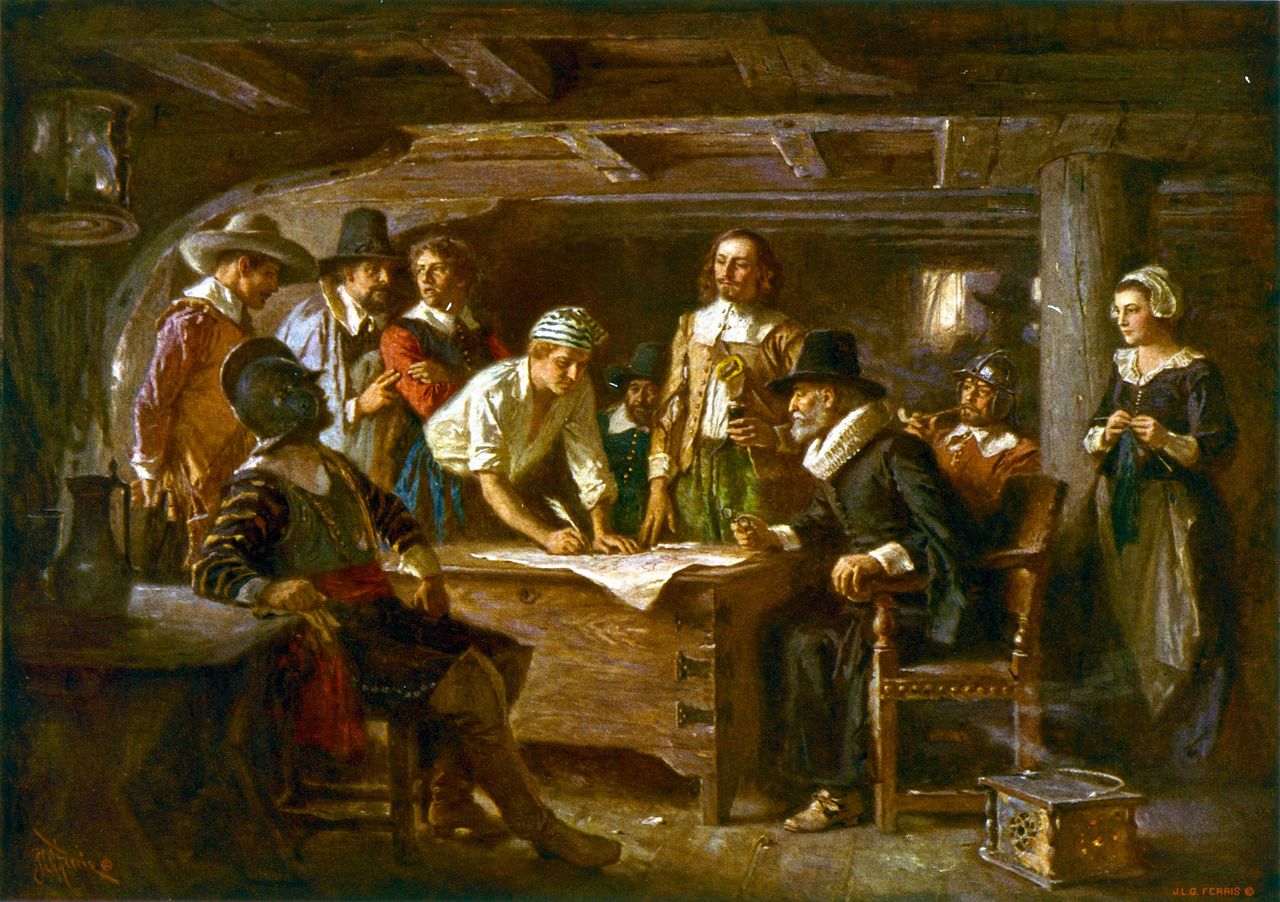
Contemporary records identify Soule as a servant of Edward Winslow when the ship reached Cape Cod and then established the settlement at Plymouth. Like many of the Mayflower company, his precise birthplace and early English origins are not definitively documented, and ages in the records are approximate.
Settling in Duxbury and property
After the initial years in Plymouth, Soule removed to Duxbury, where he acquired land and livestock and became a recognizable property holder in town records. Duxbury, later part of Duxbury, Massachusetts, was a common destination for families seeking more space and farmland beyond the original Plymouth settlement.
Public and military service
Soule participated in colonial defense and civic life. He served in the campaign commonly called the Pequot War, and he held local offices, representing Duxbury as a deputy and serving on assorted town committees and juries. Typical duties for such officials included managing local affairs, land disputes, and community defenses (deputy records reflect this type of service).
Family and personal life
He married a woman known in the records as Mary (her surname is uncertain; some sources give Buckett or a similar name). The couple raised a large family; colonial accounts attribute nine children to them. Descendants of George Soule became part of New England’s growing populations and are often cited in genealogical studies of Pilgrim families.
Death, burial and legacy
George Soule died in 1679. He was buried in the town cemetery remembered for its early settlers, the Myles Standish Burial Ground. Soule’s life illustrates the transition from immigrant servant to landholding colonist and public official; his experiences mirror broader patterns among Mayflower passengers who helped establish and expand the early English presence in New England.
Related articles
Author
AlegsaOnline.com George Soule (Mayflower passenger, ca. 1602–1679) Leandro Alegsa
URL: https://en.alegsaonline.com/art/38286
Sources
- pilgrimhallmuseum.org : Pilgrim Hall: George Soule