
George Darwin: English astronomer and mathematician
Sir George H. Darwin (1845–1912), son of Charles Darwin, was a Cambridge-based astronomer and mathematician known for work on tidal theory, rotating fluid bodies and an early fission hypothesis for the Moon.
Overview
Sir George Howard Darwin was an English astronomer and mathematician who applied mathematical analysis to problems in celestial mechanics, geophysics and the long-term evolution of planetary systems. Born at Down House and the son of the naturalist Charles Darwin and Emma Darwin, he combined theoretical skill with a practical interest in observational and physical problems.
Image gallery
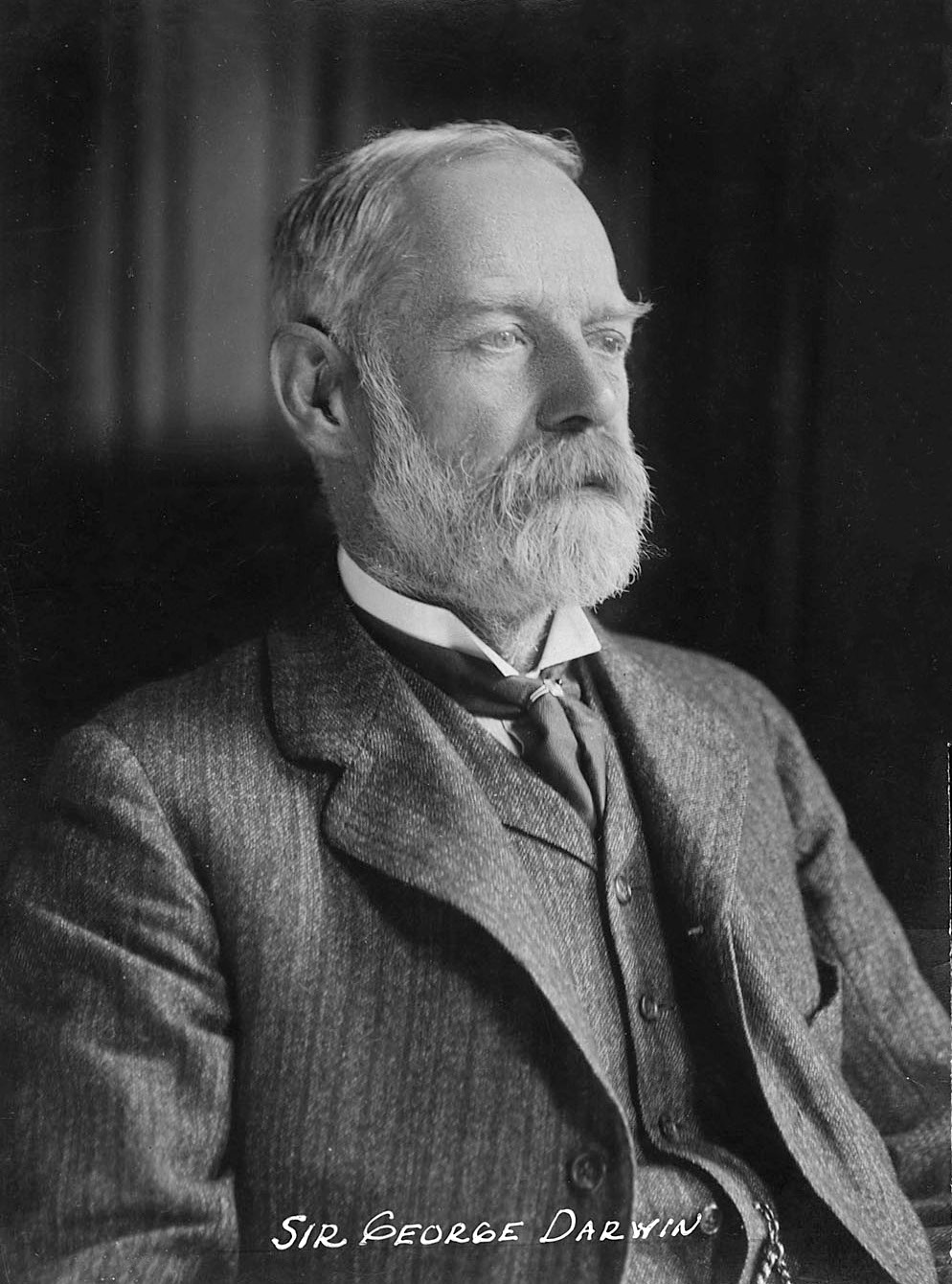
5 Images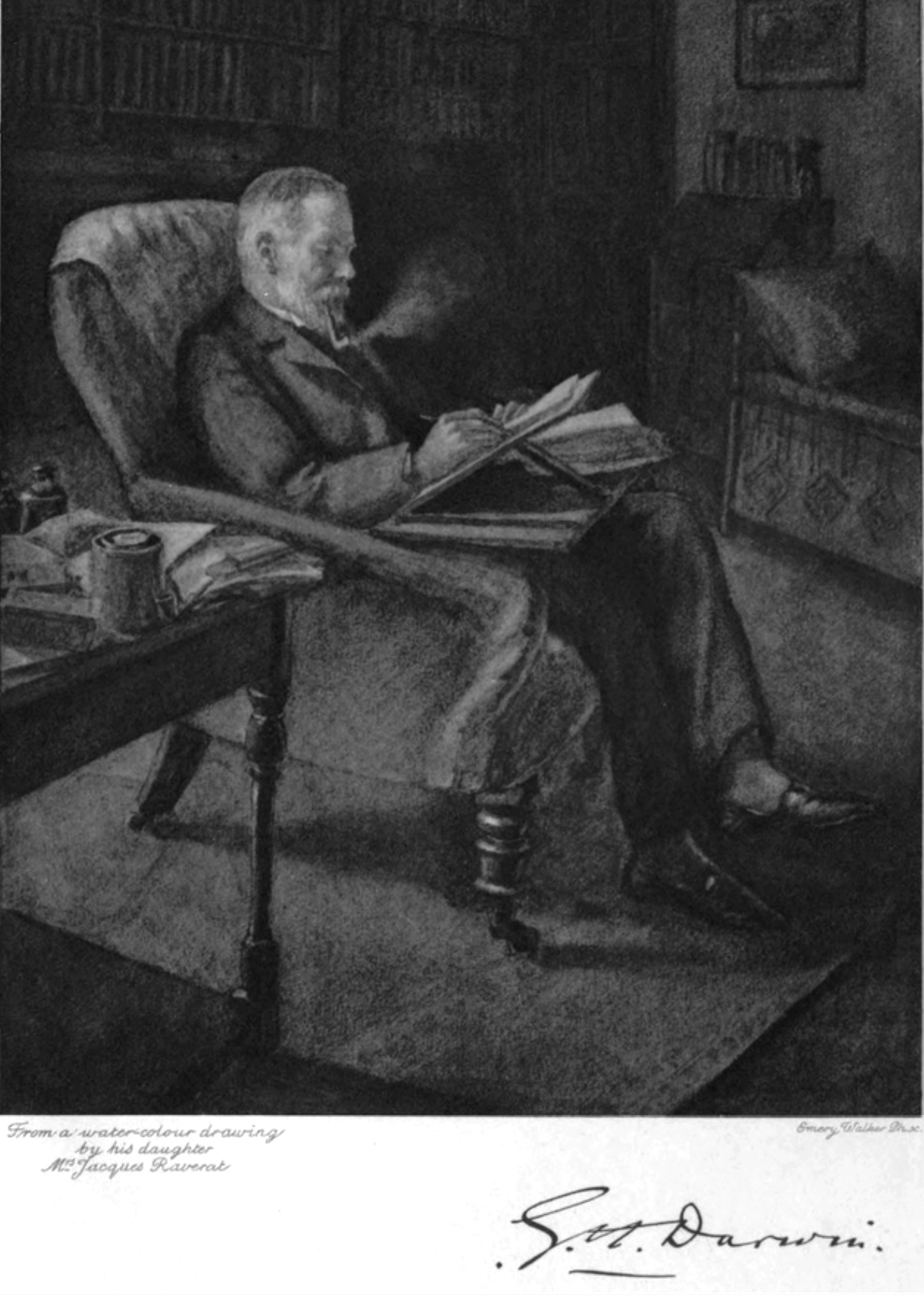


Education and academic life
Darwin spent his professional life associated with Cambridge University, where he taught, researched and published on mathematical and astronomical topics. He was recognised in his lifetime by scientific societies and government honours for work that linked mathematical physics to observational questions about tides, rotation and planetary dynamics.
Work and major contributions
Darwin's most influential studies addressed tidal theory and the dynamical interaction between rotating bodies and their satellites. He developed mathematical descriptions of how tidal forces dissipate energy and transfer angular momentum, explaining processes that can slow a planet's rotation and alter a satellite's orbit. These ideas were applied most famously to the Earth–Moon system and to questions about satellite evolution.
- Systematic analysis of tides using potential theory and harmonic series.
- Models for the equilibrium and stability of rotating, self-gravitating fluid bodies.
- Quantitative study of a fission-like hypothesis for the Moon's origin, proposing that a rapidly spinning early Earth could have shed material that formed the Moon.
Although Darwin's specific fission hypothesis is no longer the leading explanation for the Moon's origin — the giant-impact hypothesis has become the dominant model — his mathematical framework for tidal evolution and angular-momentum exchange remains foundational. His work helped establish how internal structure, viscosity and tidal dissipation affect secular changes in rotation and orbital elements.
Methods, legacy and honours
Darwin used tools from potential theory, harmonic analysis and mechanics to translate physical ideas into quantitative models. His publications and lectures influenced later researchers in geophysics, oceanography and planetary science. He was elected to learned societies and received national honours in recognition of his contributions; his collected papers and textbooks continued to be referenced by students and specialists.
For further reading, biographical summaries and collections of his writings provide detailed context and a list of publications (selected works). Additional information about his family background and upbringing is available via resources connected to Charles Darwin and the household at Down House, while family accounts and archival material offer personal context (family records).
Darwin's career illustrates the value of rigorous mathematical treatment of physical problems and the lasting influence such work can have even when specific hypotheses are revised by later evidence.
Related articles
Author
AlegsaOnline.com George Darwin: English astronomer and mathematician Leandro Alegsa
URL: https://en.alegsaonline.com/art/38206