
Anaheim, California
Anaheim is a major Orange County city in California, known for Disneyland, convention and sports venues, its 19th‑century German agricultural origins, and role in Southern California tourism and industry.
Anaheim is a city in southern California with a history that spans mid‑19th century settlement, agricultural development and a later transformation into a center for tourism, conventions and sports. The municipality rose from a small farming colony into one of Orange County's best-known communities, hosting family attractions, professional teams and large event venues.
Image gallery
10 Images



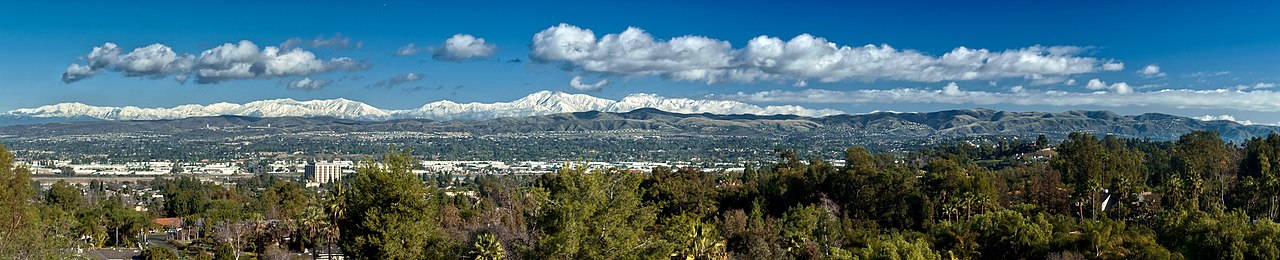
Overview and location
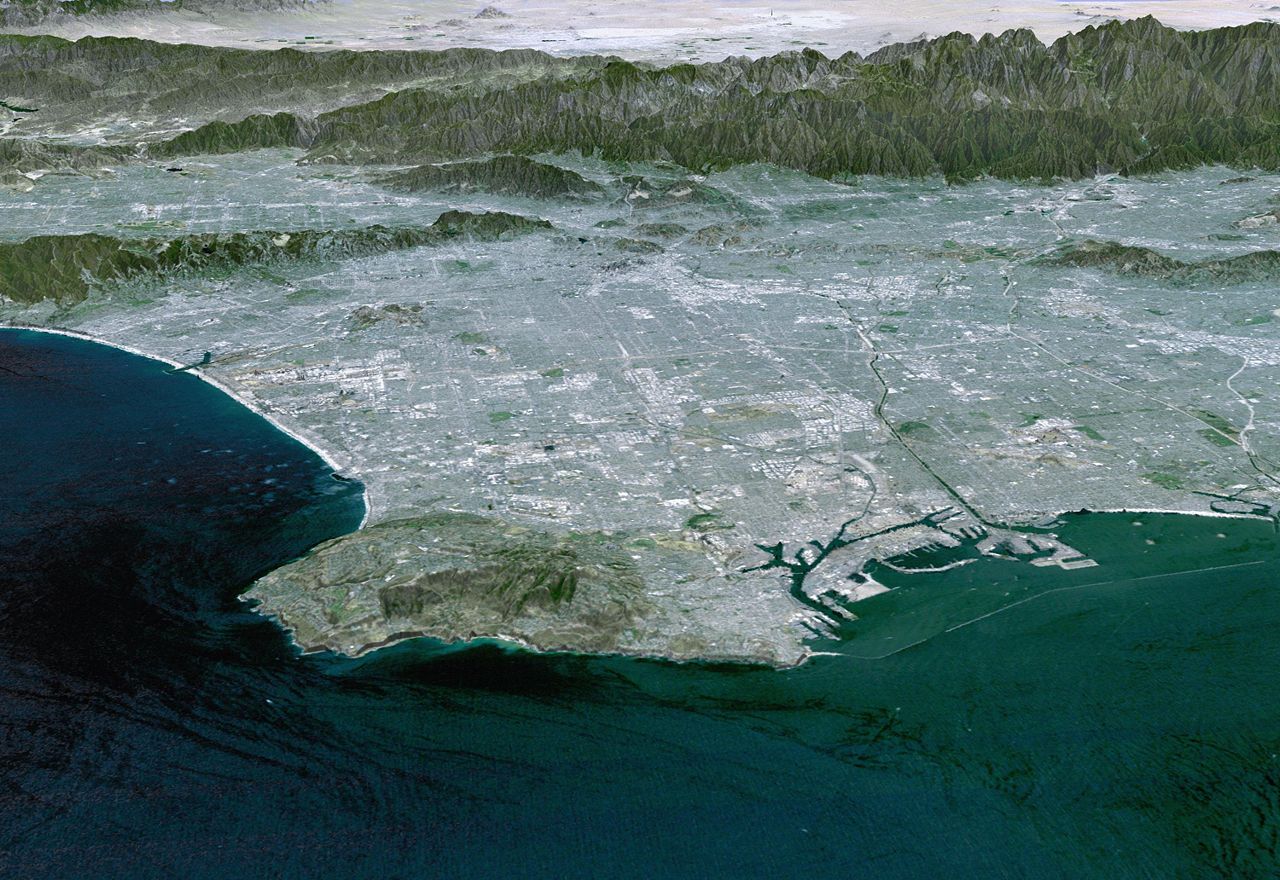
Anaheim is a city in the United States, located in northern Orange County within the Greater Los Angeles region. It sits near the Santa Ana River and has long served as a regional hub for visitors to Southern California. Its identity combines residential neighborhoods, industrial areas and districts focused on tourism and entertainment.
Origins and development
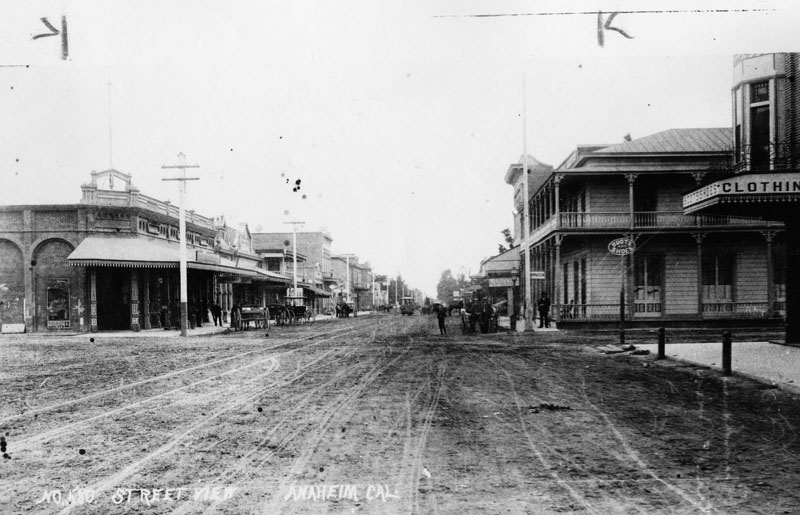
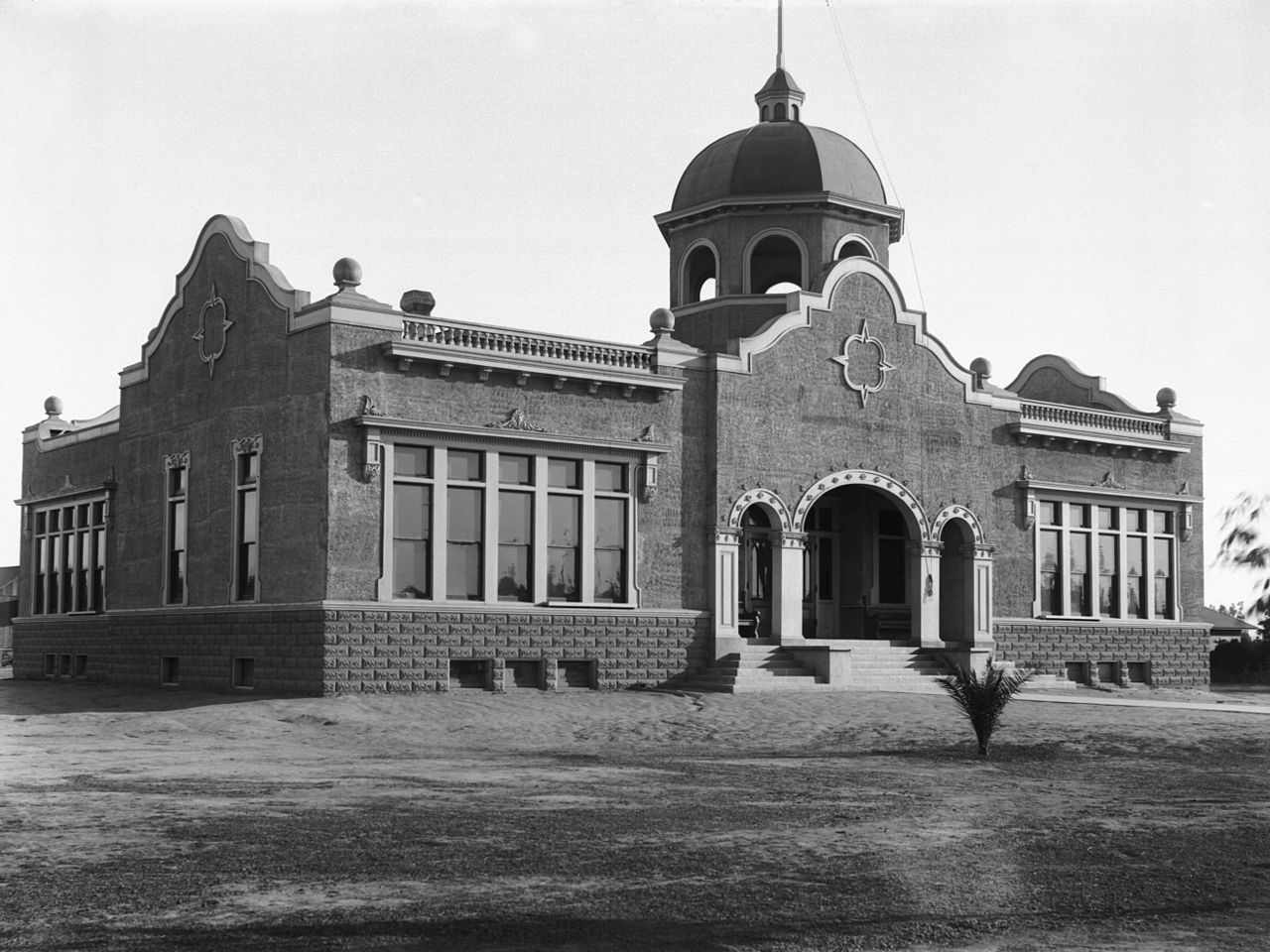
The community was established in 1857 by settlers of German origin who intended to farm and produce wine; the founding year is commonly cited as 1857. The name "Anaheim" reflects this mixed heritage: "Ana" references the nearby Santa Ana River and "heim" is a German word for home. Over the late 19th and early 20th centuries the local economy shifted toward citrus and general agriculture before suburban and commercial growth accelerated after World War II.
Attractions, economy and uses
The opening of Disneyland in 1955 reshaped Anaheim's economy and national profile. The resort and its associated businesses remain a central destination for visitors; Disneyland is frequently referenced by name and has driven hotel, retail and service growth in the surrounding area (Disneyland). The city also supports meeting and exhibition activity at the Anaheim Convention Center and numerous hotels, restaurants and entertainment venues.
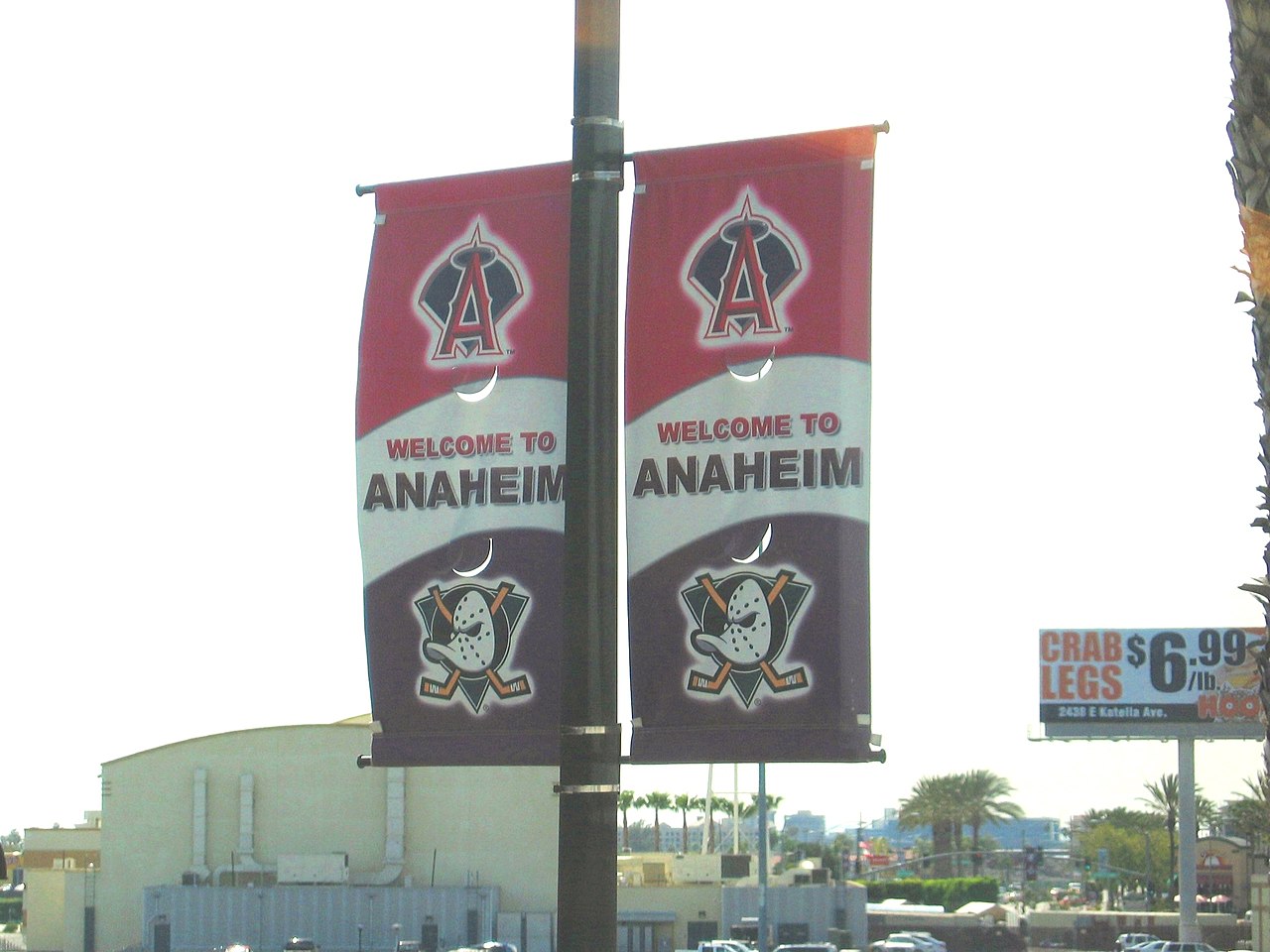
- Baseball: Major league baseball has a presence through the local franchise.
- Anaheim Ducks (ice hockey): The NHL team and other sports facilities contribute to the local entertainment mix.
Notable events and distinctions
Anaheim has hosted national and international visitors for decades and contains significant civic infrastructure such as the Honda Center and Angel Stadium. It has also experienced moments of civic tension: in 2012 there were public disturbances and protests following an incident that began when a police officer shot a man, an episode often described as a riot or unrest in contemporary reports. Such events have influenced local discussions on policing and community relations.
Today Anaheim is recognized for its dual role as a residential community and a major magnet for tourists. Its blend of historical roots, large‑scale attractions and year‑round events shape both local identity and the broader Southern California economy.
Related articles
Author
AlegsaOnline.com Anaheim, California Leandro Alegsa
URL: https://en.alegsaonline.com/art/3738