
Disneyland Park — history, layout, attractions, and traditions
Overview of Disneyland Park in Anaheim, California: its origins under Walt Disney, themed lands and signature attractions, traditions such as Hidden Mickeys, and the later resort expansion.
Overview
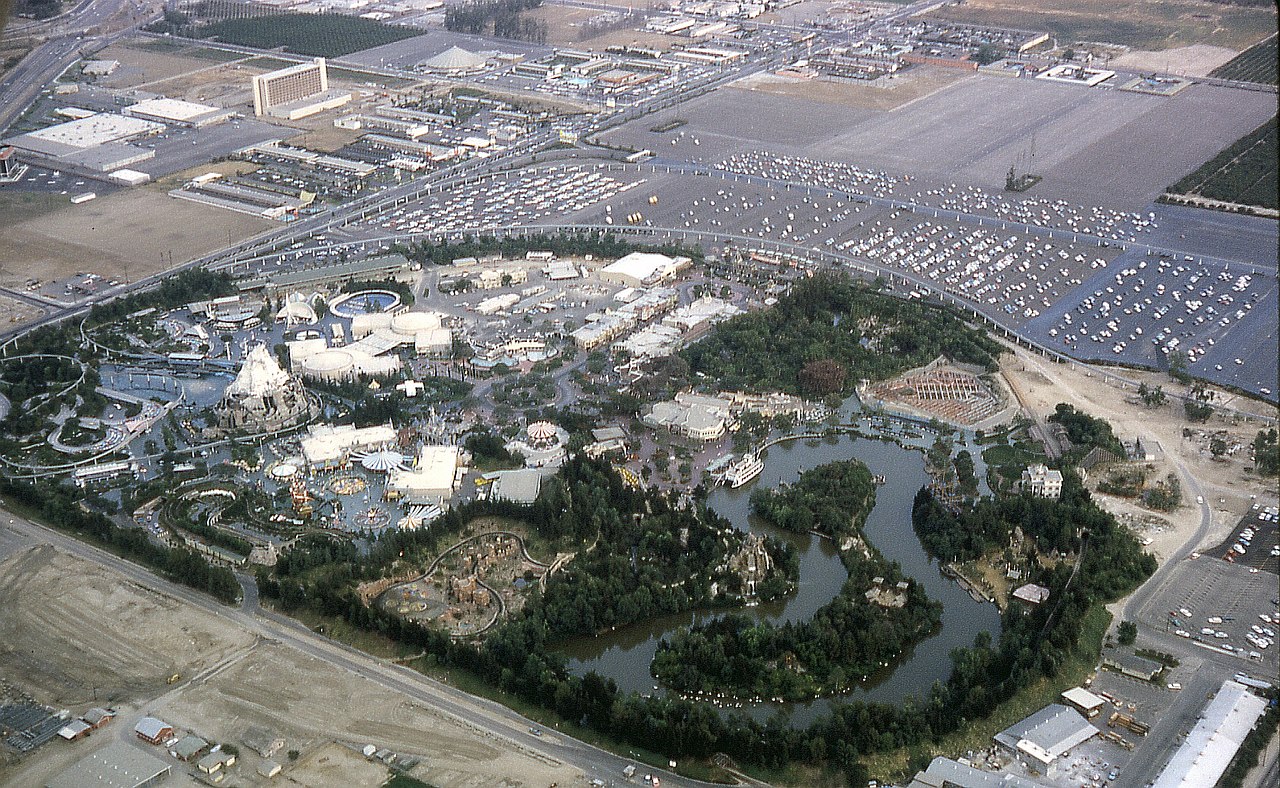
Disneyland Park is the original Disney theme park, located in Anaheim, California. Opened on July 17, 1955, by Walt Disney, the park launched the concept of a carefully themed, family-oriented amusement environment built around storytelling, characters and immersive design. It is widely regarded as a model for modern theme parks and remains one of the most visited single-site attractions in the world.
Image gallery
10 Images




History and development
Conceived in the late 1940s and early 1950s, Disneyland was developed as a hands-on demonstration of Disney’s entertainment vision. The park opened to the public in 1955 and has been expanded and refurbished many times since. Major milestones include the construction of new themed lands, the introduction of technologically advanced rides, and recurring seasonal events. The park regularly marks its founding: for example, it observed its 66th anniversary in 2021 with special celebrations and updates.
Park layout and key lands
The park is arranged into distinct themed areas, each designed to represent a different type of story or historical period. Typical lands and districts include:
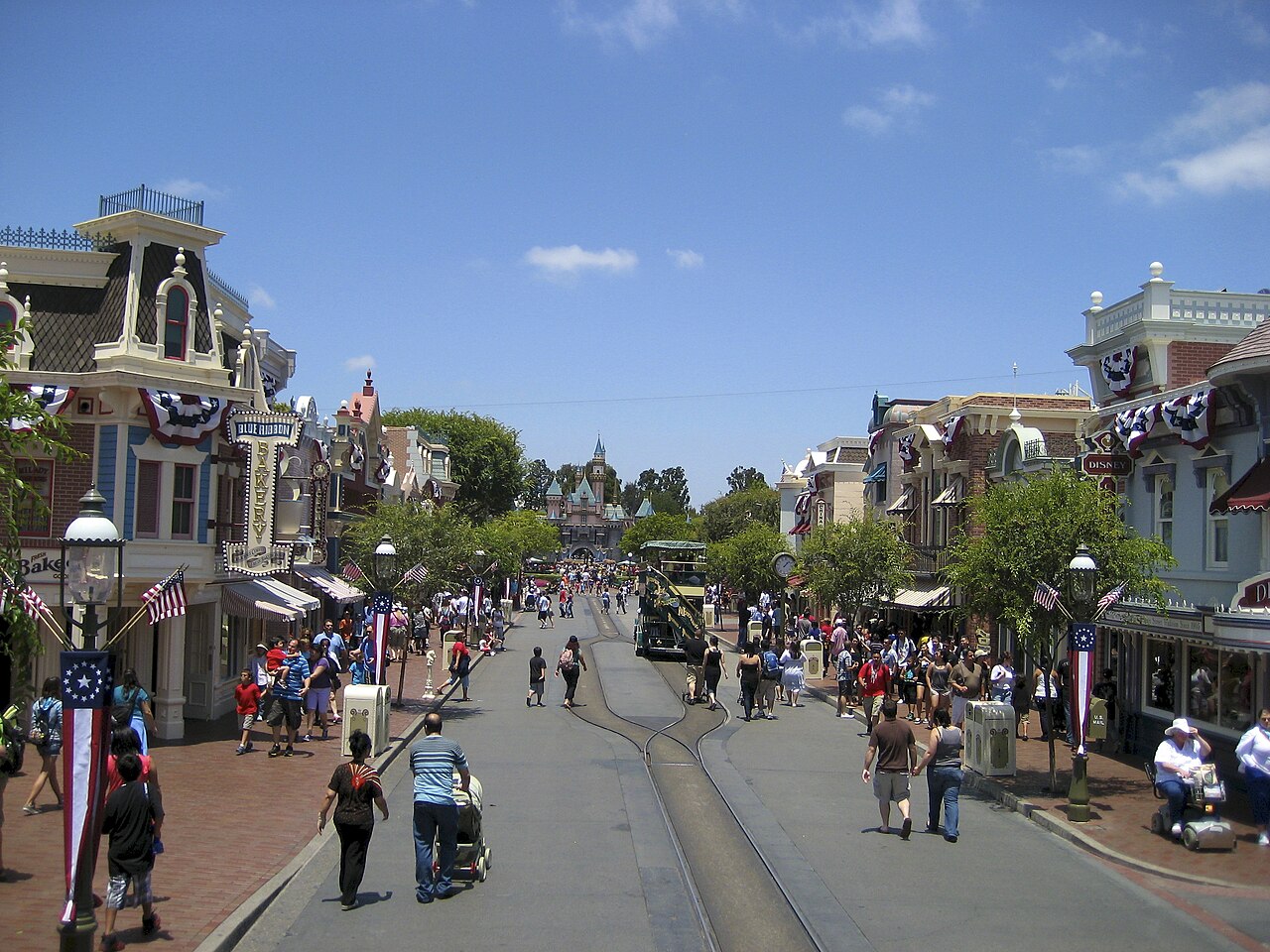
- Main Street, U.S.A. — a nostalgic turn-of-the-century town that serves as the park’s entrance corridor.
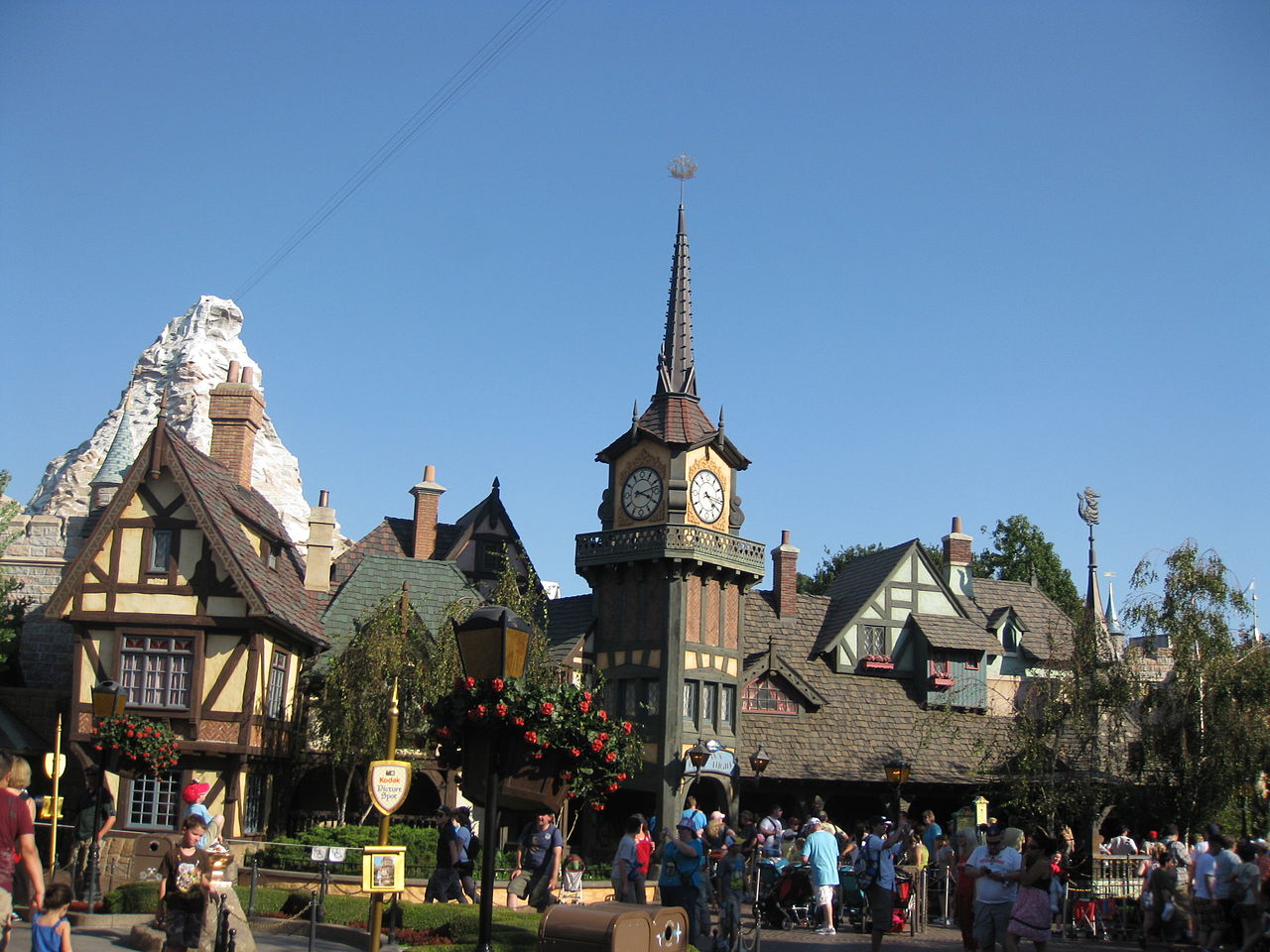
- Fantasyland — home to classic fairytale attractions and the park’s iconic castle.
- Adventureland and Frontierland — adventure-themed and American frontier areas with signature rides and shows.
- Tomorrowland — science-fiction–inspired attractions focused on innovation and exploration.
- New Orleans Square, Critter Country and Mickey’s Toontown — smaller, immersive areas with unique attractions and dining.
Attractions and guest experience
Disneyland mixes dark rides, live entertainment, parades and seasonal spectacles. Signature attractions include classic dark rides, a central castle, and several attractions that were groundbreaking at opening. The park’s guest services and queue-management systems have evolved: historically known for innovations such as FastPass, the resort has introduced modern digital services and paid options to manage demand. Visitors commonly seek out small, playful discoveries such as the informal scavenger hunt of “Hidden Mickeys” — stylized representations of Mickey Mouse placed subtly throughout the park to reward observant guests.
Resort expansion and surrounding district
In 2001 the site broadened into a larger hospitality and entertainment campus now known as the Disneyland Resort. That expansion added hotels, a shopping and dining district called Downtown Disney, and a second theme park, Disney’s California Adventure. The integrated resort format allows multi-day stays, diverse dining and entertainment options, and coordinated guest services across multiple venues.
Notable facts and cultural impact
Disneyland has had broad cultural influence: it helped shape modern theme-park design, served as a model for later Disney parks worldwide, and remains a frequent reference point in popular culture. The park is also notable for ongoing preservation and updating of its historic attractions while introducing new experiences to reflect contemporary entertainment technology. For many guests, small traditions — from fireworks and nighttime parades to hidden details and character encounters — are as important as headline attractions, contributing to the park’s reputation for meticulous theming and family-focused storytelling. For more details or planning resources, consult official park guides and visitor information available through authorized channels or the park’s informational pages (Mickey Mouse and characters references and other resources).
Questions and answers
Q: What is Disneyland Park?
A: Disneyland Park is a theme park in Anaheim, California, United States. It was the first Disneyland and opened on July 17, 1955 by Walt Disney.
Q: When did Disneyland Park celebrate its 66th anniversary?
A: Disneyland Park celebrated its 66th anniversary on July 17, 2021.
Q: What is the area around the park now called?
A: The area around the park is now called Disneyland Resort.
Q: How can guests enjoy their visit to the park?
A: Guests can enjoy their visit to the park by finding "Hidden Mickeys" on each ride and throughout the resort.
Q: What does a Hidden Mickey look like?
A: A Hidden Mickey is shaped in the form of Mickey Mouse's head and ears, and displayed through various forms; such as a Hidden Mickey shaped cement or three speakers—in the shape of a circle—forming Mickey Mouse's head.
Q: Where can guests find Hidden Mickeys at Disneyland Park?
A: Guests can find Hidden Mickeys at various places throughout the park including on rides and in Downtown Disney.
Q: Why are Hidden Mickeys important for guests visiting Disneyland Park?
A:Hidden Mickeys provide guests an exciting way of discovering magic throughout the park which makes it more enjoyable for them during their visit.
Related articles
Author
AlegsaOnline.com Disneyland Park — history, layout, attractions, and traditions Leandro Alegsa
URL: https://en.alegsaonline.com/art/27695
Sources
- justdisney.com : Disneyland Opening
- justdisney.com : "Wave file of dedication speech"