
Gallic Wars (58–50 BC): Julius Caesar's campaigns in Gaul
A summary of the Gallic Wars fought by Julius Caesar (58–50 BC): the course of the campaigns in Gaul, principal figures, major battles and sieges, sources, and their consequences for Rome and Gaul.
Overview
The Gallic Wars were a series of military campaigns led by the Roman proconsul Julius Caesar from 58 BC to 50 BC against a range of Celtic and other tribes in Gaul. Conducted during the late Roman Republic, these operations extended Rome's influence over territory that roughly corresponds to modern France and parts of what is now Belgium, pushing Roman power toward the Rhine. The conflict combined conventional battles, prolonged sieges and rapid punitive expeditions against coalition forces and rebellious tribes.
Image gallery
10 Images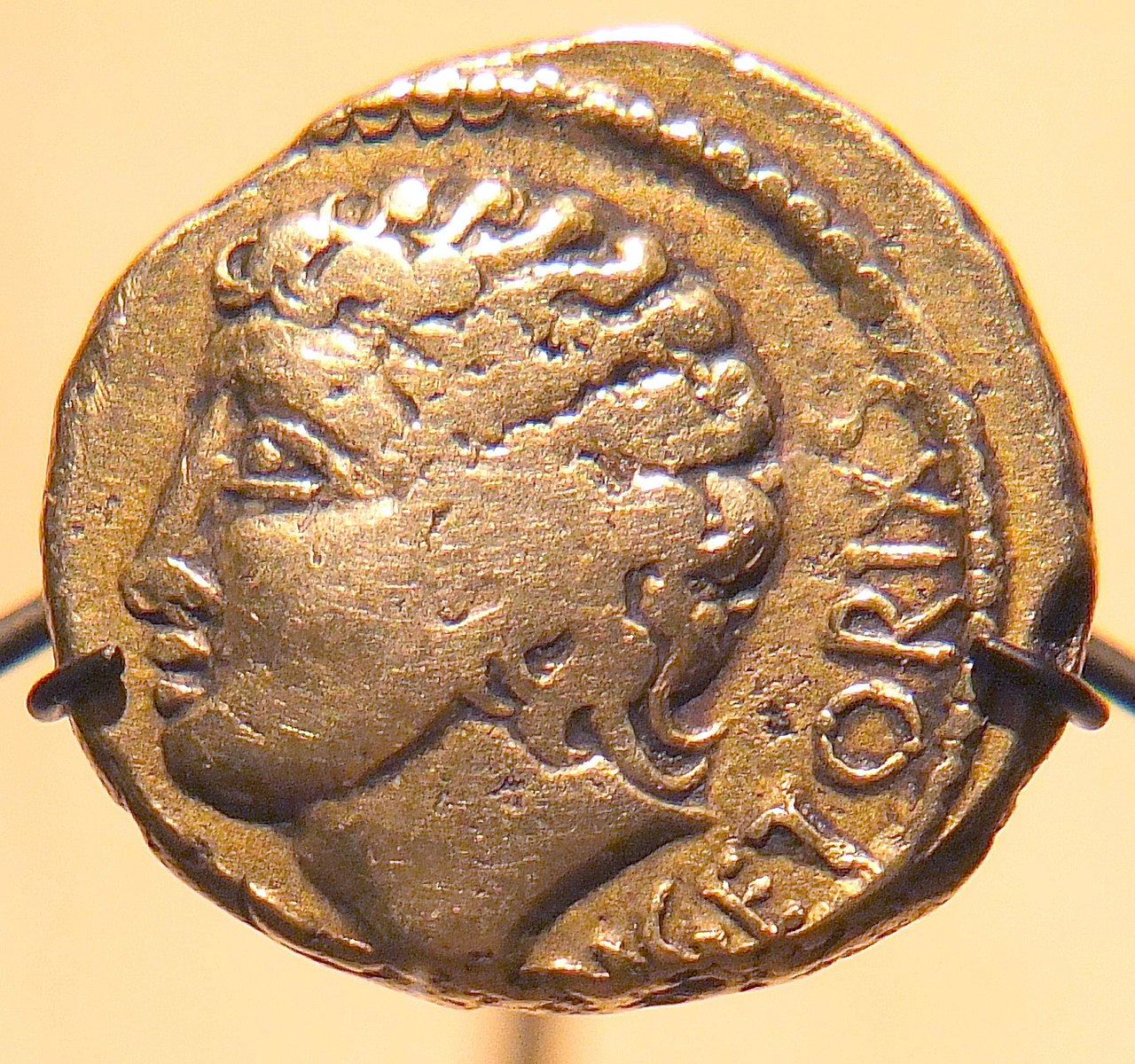


Course and characteristics of the campaigns
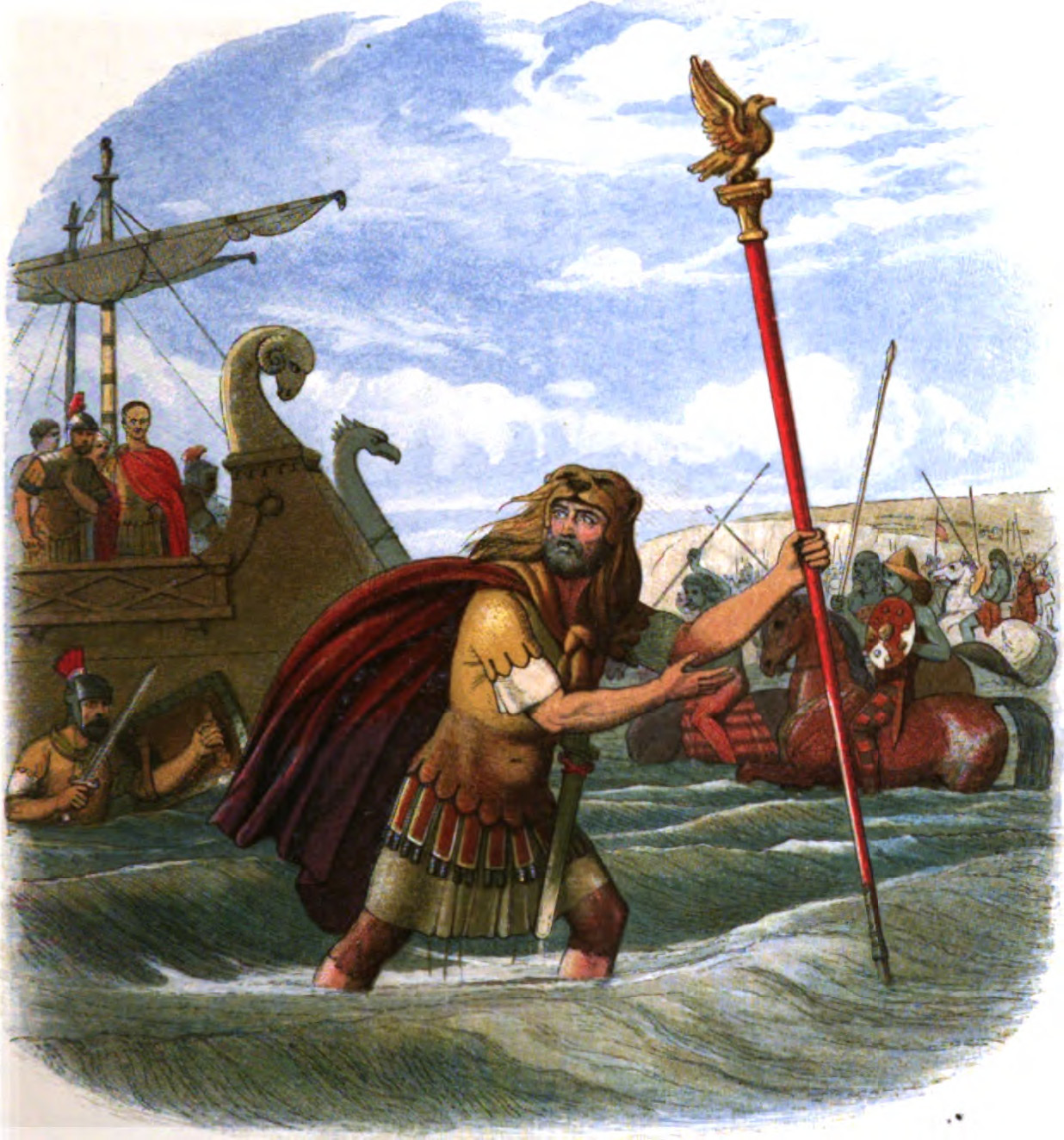
Caesar began with what he presented as defensive interventions and opportunistic offensives to secure Roman allies and borders. The operations moved across varied terrain—river valleys, forests and fortified hill towns—and made heavy use of Roman engineering, logistics and disciplined legions. Key phases included his campaigns in southeastern Gaul, operations against migrating Germanic groups, and the large-scale uprisings that culminated in the revolt of 52 BC under a united Gallic leader.
Major battles, sieges and tactics
- The siege of Alesia (52 BC) is the best-known engagement: a lengthy investment of a fortified hill town followed by simultaneous threats from relieving Gallic forces and Caesar's encircling works.
- Roman tactics combined field battles with complex fortifications, circumvallation and contravallation lines, engineered works to secure supply lines, and rapid forced marches to divide enemy coalitions.
- Smaller engagements, river crossings and skirmishes were frequent; Caesar adapted to local guerrilla tactics while leveraging Roman discipline.
Principal leaders and opponents
On the Roman side Caesar relied on several subordinate commanders and allied officers, including Mark Antony, Titus Labienus, Quintus Tullius Cicero, Publius Licinius Crassus, Decimus Brutus and Servius Sulpicius Galba. The most famous Gallic leader was Vercingetorix, who in 52 BC organized a major revolt and ultimately surrendered after the fall of Alesia. These names appear repeatedly in surviving accounts and were central to the conflict's conduct and outcome.
Primary source and modern historiography
The principal contemporary narrative is Caesar's own Commentarii de Bello Gallico, a concise, campaign-style account written by the general himself. It served both as a record and as political communication to Roman audiences. Modern historians treat the text as invaluable but partisan: Caesar amplifies enemy numbers and victories, downplays Roman losses and frames events to justify his actions. Archaeology and later scholarship have revised several figures and interpretations—most famously estimates of forces and casualties at major engagements like Alesia—while confirming the war's broad course and many local details.
Outcomes and legacy
The campaigns brought large areas of Gaul under Roman control and began a process of political and cultural integration often called Romanization: establishment of Roman provincial administration, roads, towns, and economic links to Italy. The wars significantly enhanced Caesar's reputation and resources, contributing to his rise in Roman politics and the subsequent civil conflict within the Republic. For the peoples of Gaul the wars meant loss of autonomy, heavy social disruption, and eventual incorporation into the Roman world—changes visible in language, law and urban life over the following centuries.
For more detailed treatments see accounts and modern analyses via contemporary summaries and scholarship: campaign overviews, materials on the Roman Republic, Caesar's writings at Commentaries, regional studies of Gaul, histories of France and Belgium, biographies of Mark Antony, and studies of Vercingetorix.
Related articles
Author
AlegsaOnline.com Gallic Wars (58–50 BC): Julius Caesar's campaigns in Gaul Leandro Alegsa
URL: https://en.alegsaonline.com/art/37314