
Gallipoli Peninsula (Gelibolu) — geography, history and legacy
The Gallipoli peninsula in European Turkey, between the Aegean Sea and the Dardanelles, is notable for its strategic location, ancient history and the World War I Gallipoli campaign and memorials.
The Gallipoli peninsula occupies a narrow, triangular headland in the European part of Turkey. It sits between the open waters of the Aegean Sea to the west and the entrance to the Dardanelles strait to the east. Its commonly cited geographic coordinates are available here: 40°22′2″N 26°27′18″E. Locally the peninsula is known in Turkish as Gelibolu Yarımadası and in Greek as Καλλίπολη. It lies within the historic region of East Thrace.
Image gallery
6 Images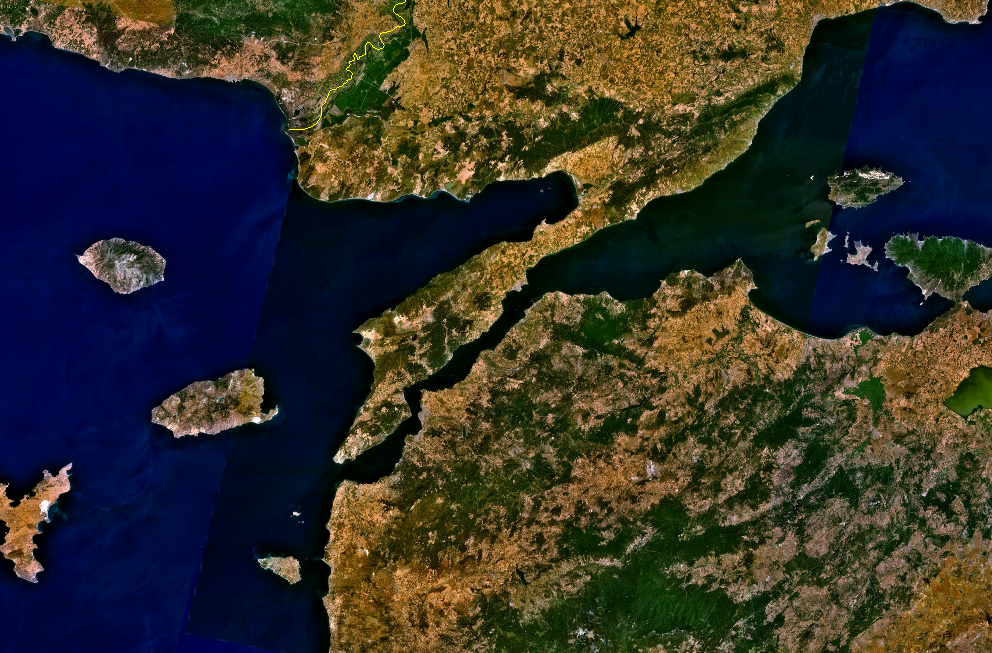


Physical features and environment
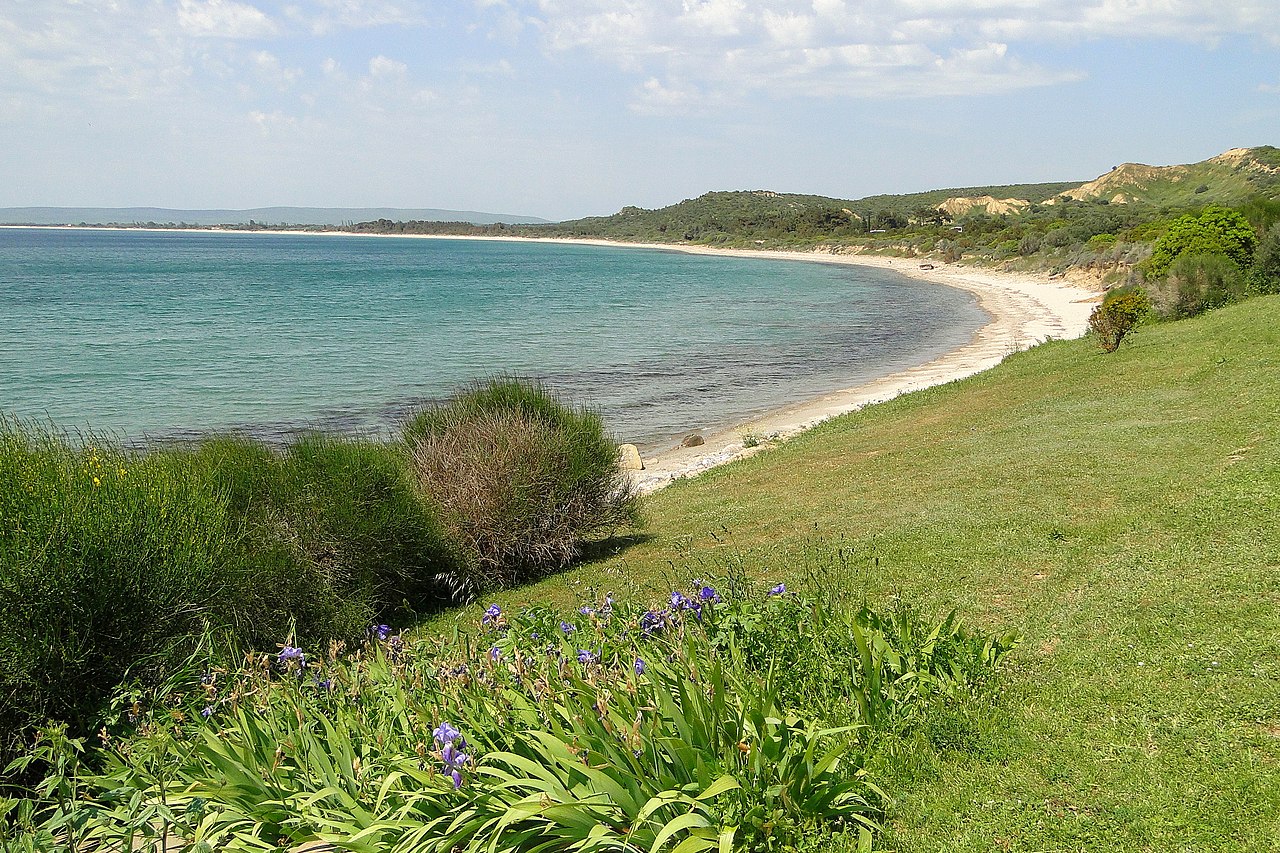
The landform is characterized by a mix of low hills, ridges and a fractured coastline of sandy coves and steeper bluffs. Its headland orientation creates narrow sea lanes at the Dardanelles, where currents, frequent winds and shoals influence navigation. The peninsula's soils and climate support Mediterranean scrub, patches of woodland and agricultural terraces that have been cultivated for centuries. Several small towns and ferry points on the shores connect the area with the southern coast of the Dardanelles.
Historical development
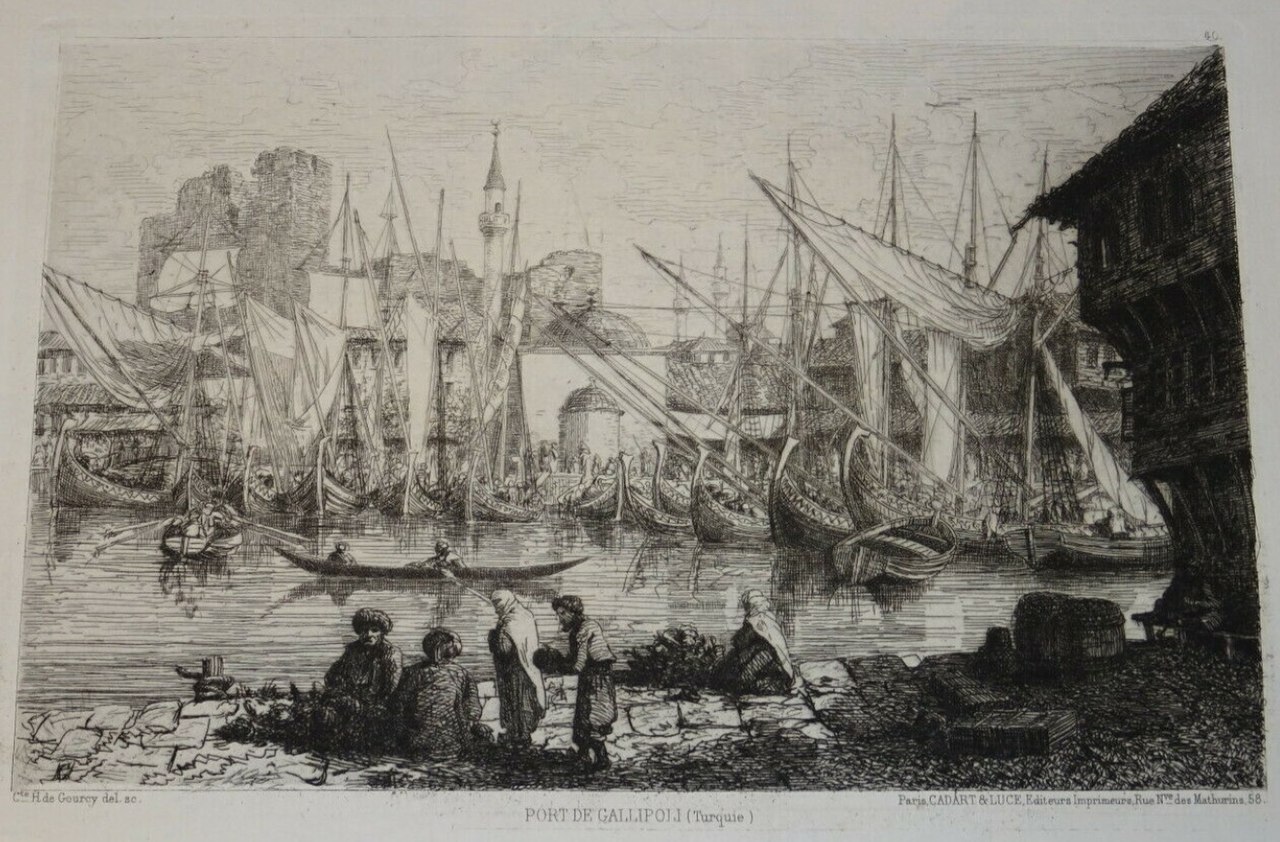
Gallipoli has been inhabited and contested since antiquity because of its control of passage between the Aegean and the Sea of Marmara. Throughout classical and medieval periods the region hosted settlements, fortifications and waystations used by Greek, Roman and Byzantine authorities, and later by the Ottoman Empire. Its place on maritime routes has given it ongoing strategic value for trade and military movements across the narrow straits that link seas of different basins.
World War I: the Gallipoli campaign
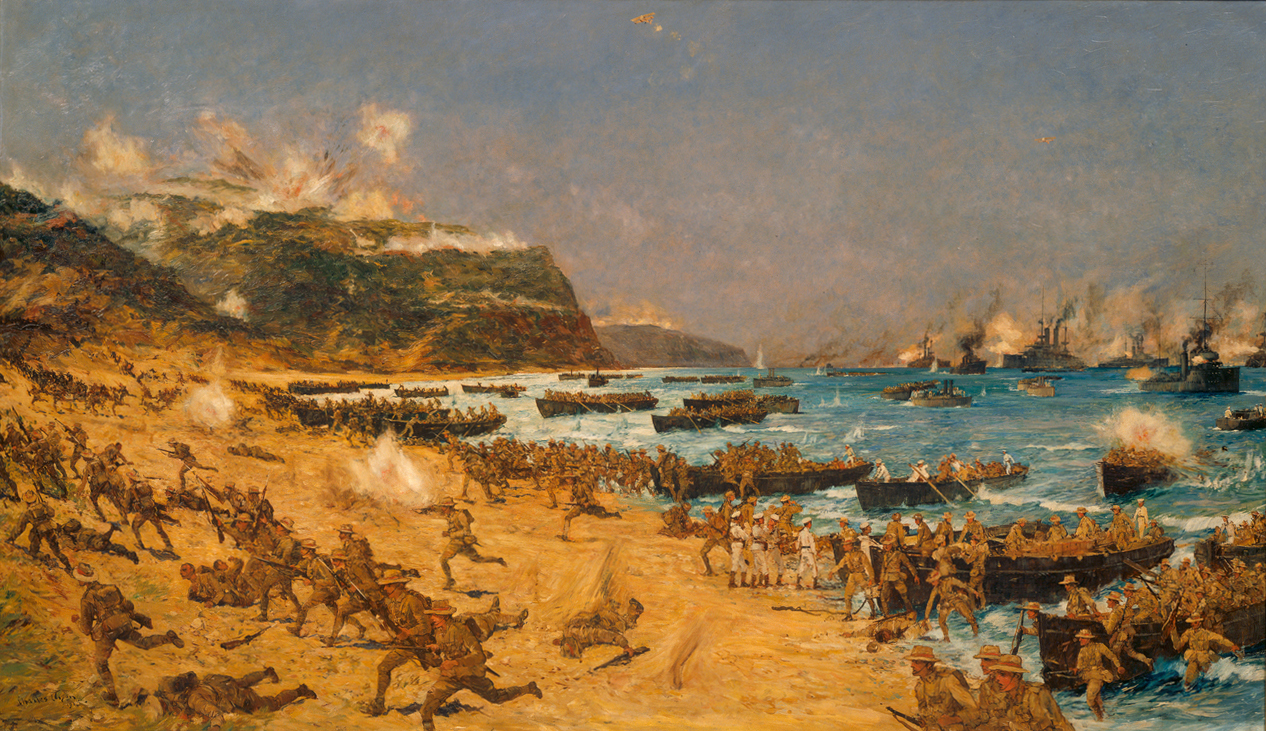
Gallipoli is best known internationally for the 1915 military campaign during the First World War. Allied forces mounted an amphibious assault intended to force the Dardanelles, relieve pressure on the Eastern Front and open a sea route to Russia. The landings on several beaches led to months of trench warfare under difficult terrain and climatic conditions. The campaign ended with Allied evacuation and left a lasting imprint on the national memories of the countries involved. The events are commemorated annually at memorials and cemeteries across the peninsula.
Legacy, sites and tourism
Today the peninsula attracts visitors for its combination of historical sites, memorial fields and natural scenery. Prominent types of sites include war cemeteries, preserved trenches, museums and observation points that explain the campaign's course. Local towns near the landing beaches maintain museums and guided trails; many visitors come for remembrance ceremonies, particularly in spring. The area also supports archaeological and environmental research because of its long human occupation and shoreline ecosystems.
Notable facts and distinctions
- Its geographical position has made Gallipoli a strategic gateway between seas and continents.
- The peninsula's landscape shaped the nature of 20th-century amphibious and trench operations that took place there.
- Gallipoli's memorials are important to several nations and are focal points for international commemoration and historical education.
For further reading on maps, visitor information and historical overviews, consult regional guides and institutional resources that specialize in Ottoman, World War I and maritime history.
Questions and answers
Q: What are the coordinates of the Gallipoli peninsula?
A: The coordinates of the Gallipoli peninsula are 40°22′2″N 26°27′18″E.
Q: Where is the Gallipoli peninsula located?
A: The Gallipoli peninsula is located in Turkish East Thrace, the European part of Turkey.
Q: What is to the west of the Gallipoli peninsula?
A: To the west of the Gallipoli peninsula is the Aegean Sea.
Q: What is to the east of the Gallipoli peninsula?
A: To the east of the Gallipoli peninsula are the Dardanelles straits.
Q: What is the English pronunciation of "Gallipoli"?
A: The English pronunciation of "Gallipoli" is /ɡəˈlɪpɵli/.
Q: What is the Turkish name for the Gallipoli peninsula?
A: The Turkish name for the Gallipoli peninsula is Gelibolu Yarımadası.
Q: What is the Greek name for the Gallipoli peninsula?
A: The Greek name for the Gallipoli peninsula is Καλλίπολη.
Related articles
Author
AlegsaOnline.com Gallipoli Peninsula (Gelibolu) — geography, history and legacy Leandro Alegsa
URL: https://en.alegsaonline.com/art/37322
Sources
- pbenyon.plus.com : Crimea
- victorianweb.org : Crimea
- perseus.tufts.edu : Καλλίπολις