
Gallia Belgica: the Roman province in northwestern Gaul
Gallia Belgica was a Roman province covering parts of modern Belgium, Luxembourg, northern France and the Rhineland. It was home to the Belgae, underwent Roman administration and later became the basis for medieval kingdoms.
Overview
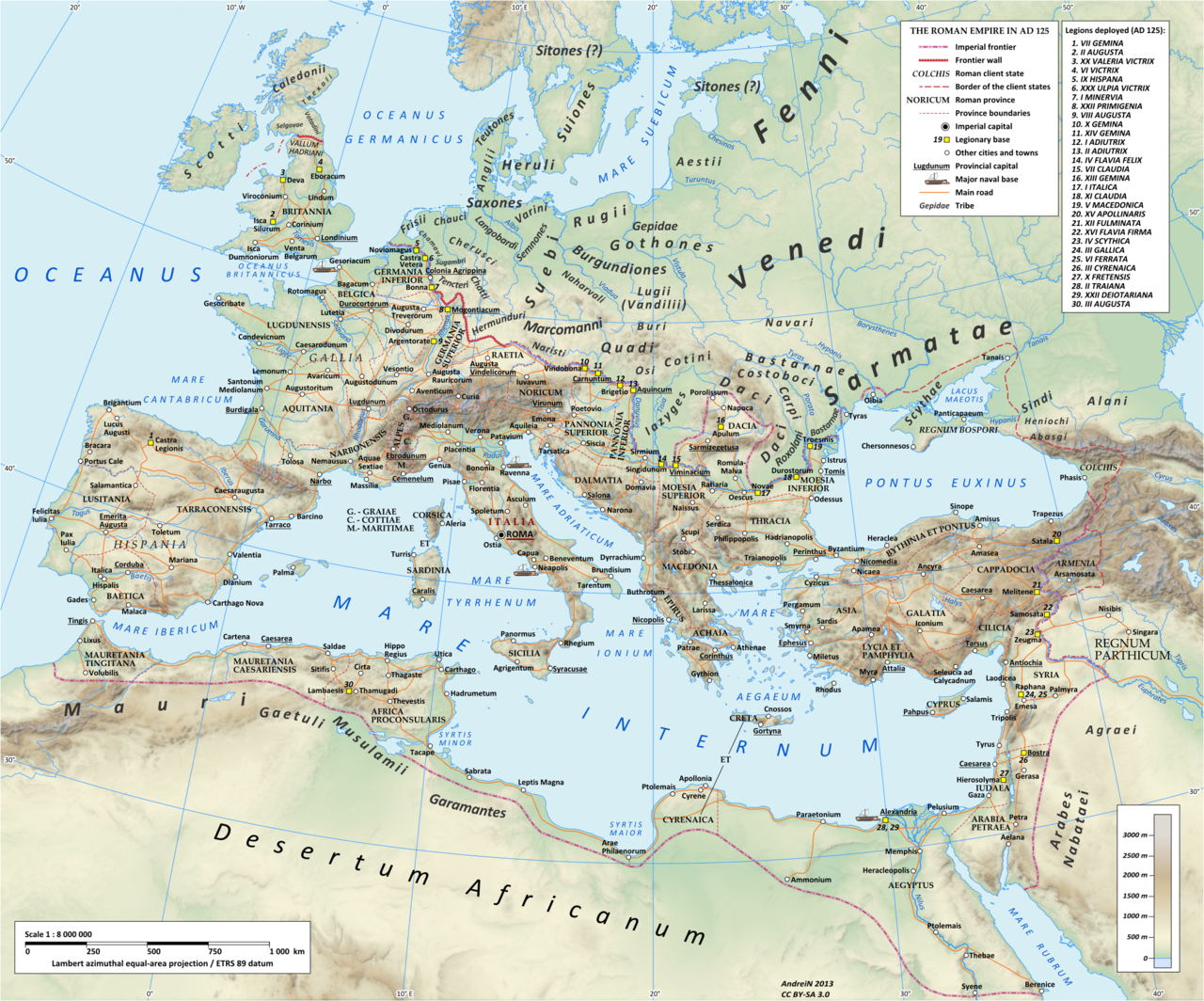
Gallia Belgica (the name itself is sometimes noted as Latin) was one of the provinces of the Roman Empire established in the territories once known collectively as Gaul. The province lay at the northwestern fringe of Roman rule and included territory now in Belgium, Luxembourg, a large portion of northern France, and parts of the Rhineland in what is today western Germany. Its eastern boundary was commonly taken to be the Rhine, which also separated Roman Gaul from the Germanic world.
Image gallery
10 Images




People, language and culture
The native inhabitants were collectively called the Belgae, a loose confederation of tribes described in Roman sources as distinct from the central Celtic Gauls. Classical authors such as Julius Caesar drew boundaries between Belgica and the rest of Gaul at the Marne and the Seine, though such ancient accounts reflect military and political perspectives rather than exact ethnic maps. The linguistic situation in the region remains debated: archaeological and onomastic evidence indicates a mixture of Celtic and Germanic influences rather than a simple single-language zone (Celtic and Germanic influence).
Territory, cities and organization
Under Roman rule the province was woven into the imperial system of roads, forts and civitates (tribal administrative centers). Important urban centers included Durocortorum (modern Reims), Atuatuca Tungrorum (Tongeren), and Treveris (Trier), which later became prominent as an administrative capital. In the later imperial reorganization carried out by the emperor Diocletian, Gallia Belgica was divided into Belgica Prima and Belgica Secunda; Trier (Treveri) emerged as the chief city of Belgica Prima while the Meuse was used as an internal boundary between these new units.
History under Rome and the late empire
Julius Caesar’s campaigns in the 50s BC brought the region into Roman control and began a process of Romanization: introduction of Latin administration, veteran colonies, taxation, and trade integration. Over the imperial centuries the area supplied recruits to the Roman military, produced agricultural goods for the empire, and participated in the empire-wide economy. In the early fifth century large-scale movements of peoples affected the province: in 406–407 AD groups sometimes described as Vandals, Burgundians and others crossed the Rhine frontier and fragmented Roman authority in northwestern Gaul (Vandals). Following the collapse of imperial control, parts of former Belgica Secunda provided the territorial nucleus for emerging Frankish polities and were important in the rise of Clovis and, later, the Carolingian Empire.
Economy, archaeology and evidence
Archaeological research reveals a mixed rural and urban economy: villas and farmsteads exported grain and livestock, while towns participated in regional markets and manufactured pottery, metalwork and luxury goods. Road networks and river transport linked towns to imperial trade routes. Coins, inscriptions and material culture attest to both the spread of Roman institutions and the persistence of local traditions. Excavations of settlements, cemeteries and roadways continue to refine understanding of how quickly Roman ways of life spread and how local elites negotiated power with Rome.
Legacy and distinctions
Gallia Belgica should not be equated directly with the modern nation of Belgium; its borders shifted through time and encompassed a larger and more varied territory than any single modern state. The province played a significant role as a cultural and political frontier between Latin and Germanic worlds and later formed part of the territorial foundation for medieval kingdoms in northern Europe. For further reading on administrative structures, tribal identities and archaeological reports see general works on Roman provinces and late antique transformations (Roman province). Additional resources on regional history and archaeology are available through specialist collections and regional studies (name and usage, Belgium, Luxembourg, France, Rhineland, Germany, Rhine, Belgae, Gaul, Julius Caesar, Marne and Seine, language contacts, Diocletian, Vandals, Clovis, Carolingian Empire).
- Notable tribes and groups: Belgae confederation, local civitates.
- Key cities: Trier (Treveri), Reims (Durocortorum), Tongeren (Atuatuca).
- Transition: Roman province → Late Antique fragmentation → Frankish kingdoms.


Governor
→ Main article: List of governors of Gallia Belgica
Related articles
Author
AlegsaOnline.com Gallia Belgica: the Roman province in northwestern Gaul Leandro Alegsa
URL: https://en.alegsaonline.com/art/37312