
Galați — Romanian Danube port city
Galați is a major Romanian port on the Danube in eastern Moldavia, known for shipping, shipbuilding and steelmaking. It is the seat of Galați County and a regional cultural and educational center.
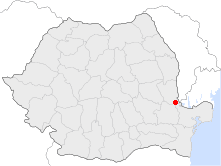
Galați is a city in eastern Romania, located in the historical region of Moldavia. It sits on the west bank of the Danube River and lies close to the international borders with Moldova and Ukraine. The settlement is known by several historical names in other languages, for example Turkish Kalas, German Galatz and Polish Gałacz. Today Galați is the administrative center of Galați County and an important regional hub.
Image gallery
10 Images






Geography and urban structure
Galați’s position on the Danube has shaped its urban layout and economy. The city grew along the riverbank with docks, warehouses and industrial zones concentrated near the port. Residential neighborhoods and cultural institutions spread inland from the waterfront. As a river port, Galați connects inland Romania with international shipping routes along the Danube.
History and development
The locality emerged as a trading and river settlement during the late medieval and early modern periods, expanding with river commerce. Over time it developed shipbuilding and processing activities that were reinforced in the 19th and 20th centuries as industrialization reached the Danube corridor. Its modern character reflects this history of trade, transport and heavy industry.
Economy and infrastructure
The city’s economy is anchored by its port facilities, shipyards and metallurgical plants; these sectors have long provided employment and made Galați one of Romania’s principal industrial centers. The port handles bulk goods, raw materials and manufactured products, while local industry includes steel production and vessel construction. Transport links combine river traffic with road and rail connections serving the wider region.
Culture, education and civic life
Galați hosts cultural institutions, theaters and museums that reflect regional traditions and the city’s maritime history. It is also an educational center, home to higher-education institutions that serve students from across eastern Romania. Civic life combines industrial heritage with riverside recreation, festivals and public spaces along the Danube.
Characteristics and notable facts
- Port city on the lower Danube, historically important for commerce and shipbuilding.
- Administrative capital of Galați County and a regional economic center (city status).
- Multilingual historical toponyms reflect Ottoman, Central European and Slavic contacts.
Population figures have varied over recent decades with industrial change; the city has been home to several hundred thousand inhabitants in the 21st century. Galați’s identity remains closely linked to the river and to the industries and institutions that grew up around its port and waterfront.
Related articles
Author
AlegsaOnline.com Galați — Romanian Danube port city Leandro Alegsa
URL: https://en.alegsaonline.com/art/37258