
Ana González de Recabarren: Chilean human rights activist and AFDD leader
Biography of Ana González de Recabarren (1925–2018), a Chilean human rights advocate who led relatives of the disappeared through protests, legal action and public memory work during and after Pinochet’s dictatorship.
Ana González de Recabarren (25 July 1925 – 26 October 2018) was a Chilean human rights advocate who became a prominent voice for families of people who were detained and disappeared under the military regime. Her public work combined grassroots organizing, international advocacy and legal action to demand truth, justice and remembrance for victims and their relatives.

Image gallery
2 Images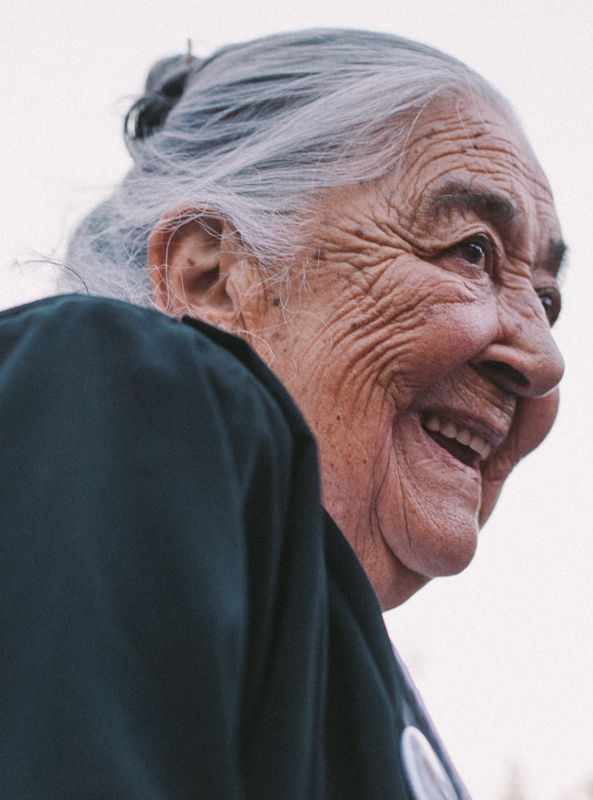

Early life and turn to activism
Ana González was born in Tocopilla and lived through a period of political upheaval in mid‑20th century Chile. After members of her family were detained and later declared disappeared during the years of military rule, she joined with other relatives to seek information about the fate of their loved ones. This personal loss propelled her into a life of public campaigning and collective action.
Organizing and methods
González became an active member and one of the recognized leaders of the Association of Relatives of the Disappeared Detainees (AFDD). Alongside figures such as Sola Sierra, Viviana Díaz and Clotario Blest, she helped coordinate demonstrations, public testimony and outreach to international institutions. She and her colleagues used nonviolent tactics including hunger strikes, public vigils and courtroom petitions to keep attention on cases that authorities had tried to suppress.
Notable actions and recognition
Her activism included a hunger strike staged at the United Nations Economic Commission for Latin America and the Caribbean office in Santiago to demand governmental follow‑through and international attention to disappearances. She later brought legal action seeking accountability for state crimes, including a suit filed in June 2000 against former dictator Augusto Pinochet for the disappearance of members of her family.
- Participated in AFDD leadership and national campaigns.
- Escalated international awareness through protests and UN engagement.
- Became the subject of a televised documentary in the 1990s and received recognition for media coverage that brought the stories of the disappeared into the public sphere.
The 1996 documentary broadcast by Televisión Nacional de Chile brought wider public attention to her story, and the program later received an award in Ibero‑American television circles, helping to sustain public memory about the dictatorship’s victims.
Impact and legacy
Ana González’s work illustrates how relatives of victims became central actors in Chile’s human rights movement, creating networks that pressured courts, the press and international bodies to investigate abuses. Her persistence contributed to a broader culture of memory and accountability in Chile, inspiring subsequent generations of activists and legal investigators.
Further reading and related links
For context on the movement and institutions she engaged with, see more on Chilean human rights efforts and organizations: human rights in Chile, Tocopilla, hunger strikes and protest tactics, UN regional bodies. For the media coverage and documentary work: television documentary. On the legal efforts relating to the dictatorship’s abuses: legal actions against Pinochet.
Ana González died in Santiago on 26 October 2018 from a lung infection. Her public life remains an example of how family members of the disappeared organized to demand truth and helped to shape Chile’s ongoing conversations about justice, memory and human rights.
Related articles
Author
AlegsaOnline.com Ana González de Recabarren: Chilean human rights activist and AFDD leader Leandro Alegsa
URL: https://en.alegsaonline.com/art/3718
Sources
- defensoresydefensoras.indh.cl : "Ana González González"
- premiosondas.com : "Palmarés - 2001"
- emol.com : "Querellas contra Pinochet se elevaron a 110"
- lanacion.cl : A los 93 años murió Ana González, destacada luchadora de los DDHH